

 Onglyza (saxagliptin) is one of the most recent medication options available for type-2 diabetes treatment, readily available to help patients manage their symptoms.
Unfortunately, Onglyza and a number of new diabetes medications are allegedly linked to severe or life-threatening side effects, including pancreatic cancer.
Onglyza is manufactured by AstraZeneca and Bristol-Myers Squibb, and earns both companies millions due to its popularity. It was approved to be a treatment medication for type-2 diabetes
Diabetes and pancreatic cancer are two major health concerns in the United States. Due to the fact that Onglyza has only been on the market for several years, there is very little information available regarding possible long-term side effects.
However, there is cause for potential concern regarding how the medication may affect patients and if it may increase the risk of developing pancreatic cancer.
Onglyza, Diabetes and Pancreatic Cancer
Onglyza and other incretin mimetics work by signaling the pancreas to produce more insulin, and stop the liver from making excess sugar.
The active ingredient, saxagliptin, is a DPP-4 inhibitor that specifically functions to breakdown the incretin hormone GLP-1. This hormone is released in the body after eating a meal, which signals the body to make insulin.
For patients with type-2 diabetes, their GLP-1 levels are smaller that causes an insufficient amount of insulin to produced. This results in too much sugar being made in the blood, which leads to diabetic attacks and other adverse symptoms.
Pancreatic cancer is fourth deadliest form of cancer in the United States with only 25% of patients estimated to survive one year after being diagnosed, with less than 5% surviving five years.
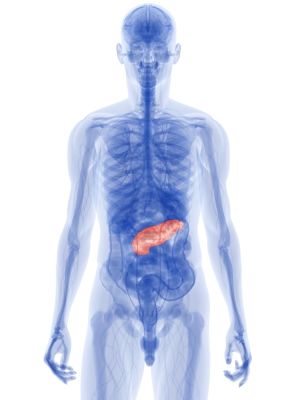
Due to the fact that Onglyza works directly with the pancreas, the chances of the patient suffering from both diabetes and pancreatic cancer may be increased.
Along with other newer diabetes medications, Onglyza has been indicated to raise the chances of pancreatic cancer in patients. In fact, the risk of Onglyza pancreatic cancer eventually became so prevalent, that the FDA released a drug safety communication regarding the risk on Feb. 11, 2014.
The warning came after the New England Journal of Medicine had published a study suggesting that Onglyza increases the risk of pancreatic cancer by 27%. Furthermore, studies from 2015 indicate the same increased risk of pancreatic cancer in Onglyza patients.
For patients suffering from Onglyza pancreatic cancer, early diagnosis is crucial so the patient can have as many treatment options as possible.
Onglyza users who were diagnosed with pancreatic cancer, may be eligible to file lawsuit against the manufacturing companies. Patients should consult specialized lawyers to confirm whether or not they are eligible for legal action.
In general, Onglyza lawsuits are filed individually by each plaintiff and are not class actions.
Do YOU have a legal claim? Fill out the form on this page now for a free, immediate, and confidential case evaluation. The attorneys who work with Top Class Actions will contact you if you qualify to let you know if an individual Onglyza lawsuit or Ongylyza class action lawsuit is best for you. Hurry — statutes of limitations may apply.
ATTORNEY ADVERTISING
Top Class Actions is a Proud Member of the American Bar Association
LEGAL INFORMATION IS NOT LEGAL ADVICE
Top Class Actions Legal Statement
©2008 – 2026 Top Class Actions® LLC
Various Trademarks held by their respective owners
This website is not intended for viewing or usage by European Union citizens.
Get Help – It’s Free
Join a Free Onglyza Lawsuit Investigation
If you or a loved one were injured from Onglyza side effects such as heart failure, thyroid cancer or pancreatic cancer, you may have a legal claim. See if you qualify to pursue compensation and join a free Onglyza lawsuit investigation by submitting your information for a free case evaluation.
An attorney will contact you if you qualify to discuss the details of your potential case.
Oops! We could not locate your form.











