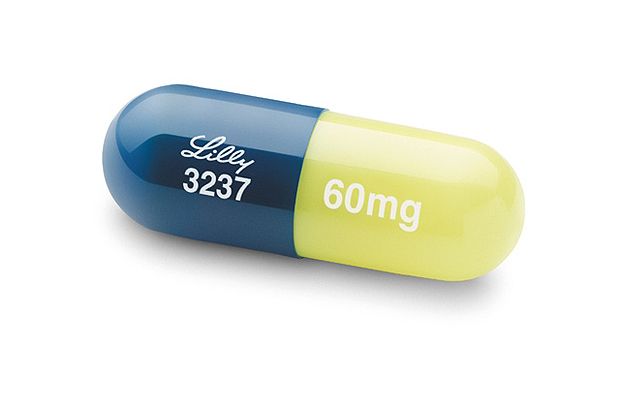
 The antidepressant drug Cymbalta, generic duloxetine, was originally approved by the U.S. Food and Drug Administration (FDA) in 2004 to treat major depression.
It is a SNRI-type antidepressant which means it is a serotonin-norepinehprine reuptake inhibitor and is somewhat similar to other antidepressants such as Effexor (venlafaxine) and Pristiq (desvenlafaxine).
The FDA also approved Cymbalta to treat nerve pain associated with diabetes in 2004. In 2007, the drug was approved to treat anxiety disorders, and in 2008, the FDA agreed that it could ease the discomfort associated with fibromyalgia. It was also approved to treat musculoskeletal pain associated with arthritis and lower back pain in 2010.
However, the problem with Cymbalta is that when people try to stop taking this drug they frequently report negative withdrawal symptoms.
Dangerous Cymbalta Withdrawal Side Effects
Cymbalta can create a physical dependence. Cymbalta withdrawal is a frequent and, at times, painful condition. Users who take Cymbalta can be faced with severe physiological and psychological symptoms when they attempt to stop taking the antidepressant, including:
- dizziness
- nausea
- headache
- fatigue
- paresthesia (tingling, tickling, prickling, pricking, or burning sensation of a person’s skin)
- vomiting
- irritability
- nightmares
- insomnia
- diarrhea
- anxiety
- hyperhidrosis (excessive sweating)
- vertigo
Accordingly, once Cymbalta users try to stop, the symptoms can be severe enough to force them to start taking Cymbalta again simply to combat the withdrawal symptoms. In other words, users develop a physical dependence on Cymbalta.
To beat the physical dependence of Cymbalta, users are forced to endure a protracted period of withdrawal — slowly reducing the ingestion of Cymbalta over several months until it is fully out of the body.
During this period, users may still experience substantial withdrawal symptoms, which can even continue for months after they stop taking the drug.
Cymbalta Warning Label Misleads Consumers
Eli Lilly, the Cymbalta drug maker, has also been aggressively marketing Cymbalta as a good way to deal with chronic lower back pain and osteoarthritis to the public and the medical community nationwide, spending millions each year on advertising and promotion.
Since 2004, with minor variations, the warning label on Cymbalta has allegedly misleadingly stated that the Cymbalta withdrawal symptoms occur at a rate greater than or equal to 1 or 2 percent.
Studies funded, designed, and conducted by Eli Lilly indicate that up to 51 percent of Cymbalta users experience withdrawal symptoms. Of those withdrawal symptoms, approximately 46.3 percent were moderate and 17.2 percent were severe.
It is alleged that Eli Lilly knew or should have known of the existence of Cymbalta withdrawal syndrome. Moreover, Eli Lilly allegedly knew or should have known of the frequency, severity, and/or duration of Cymbalta withdrawal as it was documented in studies funded, designed, and conducted by Lilly.
However, instead of giving consumers and prescribing healthcare professionals sufficient information to decide whether the potential for Cymbalta withdrawal was worth the risk, Eli Lilly omitted the data. The “discontinuation warning” on Cymbalta gave the impression that Cymbalta withdrawal syndrome is rare.
Do YOU have a legal claim? Fill out the form on this page now for a free, immediate, and confidential case evaluation. The Cymbalta attorneys who work with Top Class Actions will contact you if you qualify to let you know if an individual lawsuit or Cymbalta class action lawsuit is best for you. [In general, Cymbalta withdrawal lawsuits are filed individually by each plaintiff and are not class actions.] Hurry — statutes of limitations may apply.
ATTORNEY ADVERTISING
Top Class Actions is a Proud Member of the American Bar Association
LEGAL INFORMATION IS NOT LEGAL ADVICE
Top Class Actions Legal Statement
©2008 – 2026 Top Class Actions® LLC
Various Trademarks held by their respective owners
This website is not intended for viewing or usage by European Union citizens.
Get Help – It’s Free
Join a Free Cymbalta Withdrawal Class Action Lawsuit Investigation
If you attempted to stop taking Cymbalta and suffered withdrawal symptoms, you may have a legal claim. See if you qualify by filling out the short form below.
An attorney will contact you if you qualify to discuss the details of your potential case at no charge to you.
Oops! We could not locate your form.