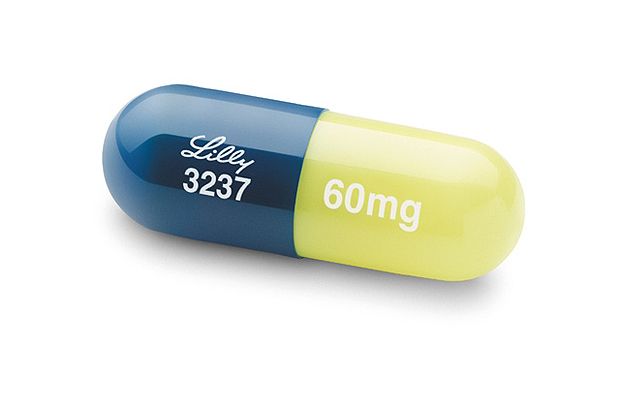
 In the wake of studies that indicate the anti-depressant medication Cymbalta is linked to potentially serious side effects and withdrawal symptoms, affected patients are filing Cymbalta lawsuits against the drug’s manufacturer, Eli Lilly & Company, alleging that the company was well aware of the negative symptoms associated with Cymbalta withdrawal yet misled patients to hide Cymbalta side effects and encourage sales.
What is Cymbalta?
Cymbalta (duloxetine) is a type of antidepressant known as an SNRI (serotonin norepinephrine reuptake inhibitor). It was developed by Eli Lilly & Co. and approved by the FDA in 2004. In addition to its use as an anti-anxiety/antidepressant drug, Cymbalta also has mild analgesic properties and is used to treat osteoarthritis, fibromyalgia, and diabetic neuropathy.
Cymbalta Withdrawal Studies
In clinical trials, researchers estimated that Cymbalta withdrawal symptoms could appear in up to 44-50 percent of people who discontinued Cymbalta, including 10 percent classified as “severe.”
During the trial, patients were randomized to receive Cymbalta or a placebo for 8-9 weeks and then discontinued. Unfortunately, about half of patients who had Cymbalta withdrawal symptoms did not get better within two weeks of discontinuing Cymbalta, when researchers stopped monitoring the patients.
The Cymbalta warning label states that symptoms of withdrawal “occurred at a rate greater than or equal to 1%”. However, according to a 2005 article published in the Journal of Affective Disorders, Cymbalta withdrawal is much more frequent and severe than Eli Lilly claimed.
In six double blind trials of Cymbalta conducted by Eli Lilly, about 44 percent of users reportedly experienced withdrawal symptoms. Of these symptoms, 50.6 percent were deemed moderate while 9.6 percent were considered severe.
In another open-label trial involving 1,279 Cymbalta users, approximately 51 percent of patients experienced withdrawal symptoms. Of these, 46.3 percent were moderate and 17.2 percent were severe.
The cumulative results of these studies indicates that about half of all Cymbalta users experience withdrawal symptoms after discontinuing treatment with the drug, rather than the 1 percent listed on the product’s warning label.
It is also worth noting that the data gathered during these trials was taken from “spontaneous reports” of symptoms (patients voluntarily reporting symptoms), and not from the more accurate “symptom checklist,” which would likely produce even higher rates of Cymbalta withdrawal symptoms.
FDA Cymbalta Withdrawal Warning
The FDA has required the following warning on the label for Cymbalta: “Never stop an antidepressant medicine without first talking to a healthcare provider. Stopping an antidepressant medicine suddenly can cause other symptoms.”
However, this Cymbalta warning does not explain how often “other symptoms” occur, how severe they might be, and what a patient should do to minimize the risk of antidepressant withdrawal. As a result, many Cymbalta lawsuits allege that Eli Lilly & Co. is not doing enough to warn about symptoms of Cymbalta withdrawal, which can include:
- Nausea, vomiting
- Suicidal thoughts
- Anger
- Hallucinations
- Personality changes
- “Brain zaps”
- Tremors, dizziness, severe vertigo
In addition to having the potential to cause severe withdrawal symptoms, Cymbalta has been linked to the following serious side effects:
- Birth defects
- Withdrawal
- Suicidal thoughts or behavior
- Liver damage
- Serotonin syndrome
- Manic episodes
- Skin reactions
- Abnormal bleeding or bruising
- Problems urinating
- Changes in appetite or weight
Cymbalta Lawsuits
Plaintiffs and attorneys are preparing and filing Cymbalta lawsuits against Eli Lilly & Company that allege Cymbalta marketing has been misleading and failed to adequately warn patients of the drug’s risks and addictive qualities.
The degree to which Lilly was aware of the drug’s risks and hid the facts through misleading marketing campaigns can be a significant factor in the right of Cymbalta victims to recover financial damages for their pain and suffering.
Do YOU have a legal claim? Fill out the form on this page now for a free, immediate, and confidential case evaluation. The Cymbalta attorneys who work with Top Class Actions will contact you if you qualify to let you know if an individual lawsuit or Cymbalta class action lawsuit is best for you. [In general, Cymbalta withdrawal lawsuits are filed individually by each plaintiff and are not class actions.] Hurry — statutes of limitations may apply.
ATTORNEY ADVERTISING
Top Class Actions is a Proud Member of the American Bar Association
LEGAL INFORMATION IS NOT LEGAL ADVICE
Top Class Actions Legal Statement
©2008 – 2026 Top Class Actions® LLC
Various Trademarks held by their respective owners
This website is not intended for viewing or usage by European Union citizens.
Get Help – It’s Free
Join a Free Cymbalta Withdrawal Class Action Lawsuit Investigation
If you attempted to stop taking Cymbalta and suffered withdrawal symptoms, you may have a legal claim. See if you qualify by filling out the short form below.
An attorney will contact you if you qualify to discuss the details of your potential case at no charge to you.
Oops! We could not locate your form.