The use of a medical device known as a cardiac heater-cooler has come under scrutiny lately as patients and hospitals are reporting heater-cooler infections.
What is a Cardiac Heater-Cooler?
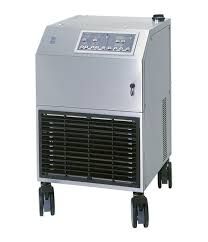
A cardiac heater-cooler is a device that is used during heart surgery to maintain the temperature of the patient. It works by making sure that the temperature of surgical instruments are regulated by providing temperature-controlled water to them.
These surgical devices include heat exchangers and warming and cooling blankets. The patient’s body temperature and the temperature of organs and blood are controlled by these instruments.
If the body and organ temperature of the patient can be kept under control during a major surgery like open-heart surgery, there is a greater likelihood that the patient’s recovery time will be lessened. It has been found to improve patient outcomes.
The particular device under scrutiny for heater-cooler infections is the Stockert 3T system made by LivaNova. A certain type of rare bacteria has been found in the water inside many of the devices. Researchers believe this bacteria has been transferred to patients through the air.
This water does not have any contact with the actual patient, but the water can aerosolize in the operating room and then be carried to the patient’s body. When the bacteria is airborne, it can reach the open surgical site of the patient and cause heater-cooler infections.
This bacteria can also infect other parts of the device or the secondary devices as well.
The U.S. Food and Drug Administration, or FDA, has warned the public and the medical community about the Stockert 3T device stating that this device can transmit the M.chimera bacteria.
The Centers for Disease Control, CDC, has also warned against heater-cooler infections. Symptoms of this type of bacterial infection include night sweats, muscle aches, weight loss, fatigue and unexplained fever.
The FDA and CDC believe that these cardiac heater-cooler devices may have been contaminated during the manufacturing process. This can affect hundreds of thousands of patients, as over 250,000 heart bypass operations are done each year in the United States utilizing these devices. In fact, the CDC reports that 60% of these procedures use LivaNova cardiac heater coolers.
Heater-Cooler Infections
The CDC estimates that in hospitals where at least one infection has been identified, the risk of infection for other patients is between 1 in 100 and 1 in 1,000.
Even though this bacteria is usually not life-threatening and it can take many months to develop heater-cooler infections, it is important to take note of the possible symptoms if you or someone you love have had a cardiac surgery using a cardiac heater-cooler.
You may benefit from speaking to an attorney experienced in dealing with heater-cooler infections to determine if you are eligible for monetary compensation.
Do YOU have a legal claim? Fill out the form on this page now for a free, immediate, and confidential case evaluation. The cardiac heater-cooler attorneys who work with Top Class Actions will contact you if you qualify to let you know if an individual lawsuit or class action lawsuit is best for you. [In general, cardiac heater-cooler lawsuits are filed individually by each plaintiff and are not class actions.] Hurry — statutes of limitations may apply.
ATTORNEY ADVERTISING
Top Class Actions is a Proud Member of the American Bar Association
LEGAL INFORMATION IS NOT LEGAL ADVICE
Top Class Actions Legal Statement
©2008 – 2026 Top Class Actions® LLC
Various Trademarks held by their respective owners
This website is not intended for viewing or usage by European Union citizens.
Get Help – It’s Free
Join a Free Cardiac Heater-Cooler System Class Action Lawsuit Investigation
An attorney will contact you if you qualify to discuss the details of your potential case at no charge to you.
Please Note: If you want to participate in this investigation, it is imperative that you reply to the law firm if they call or email you. Failing to do so may result in you not getting signed up as a client, if you qualify, or getting you dropped as a client.
Email any problems with this form to [email protected].
Oops! We could not locate your form.