
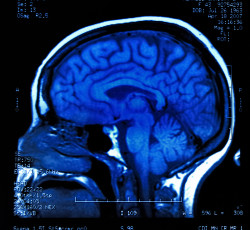
Cerebral atrophy refers to a whole class of different conditions in which the brain loses cells and the connections between them.
It can be generalized, meaning the loss of cells happens throughout the brain; or it can be focal, meaning the loss happens in a particular part of the brain.
There are a large number of different possible causes of cerebral atrophy. For example, traumatic brain injury can cause eventual brain atrophy, as can stroke.
Diseases associated with dementia, like Alzheimer’s disease, can also result in cerebral atrophy. Infectious diseases like AIDS, encephalitis, and neurosyphilis can destroy neurons and the connections between them.
Brain atrophy is not commonly thought of as a medication side effect, but a specific type of cerebral atrophy has been observed in some epilepsy patients who use the drug Dilantin to keep their seizures under control.
What is Dilantin?
Dilantin, also known by its generic name phenytoin, is one of the oldest and most established anticonvulsant drugs on the market.
Originally formulated over a hundred years ago to be used as a treatment for the convulsions that could happen during electroshock therapy, it was made commercially available by Parke Davis in the late 1930s. Within a few years, it was recognized as the first in a new generation of epilepsy treatments.
Not only is Dilantin still in use decades later, it’s one of the most frequently used drugs in the world. It’s generally considered a second-line epilepsy treatment, but it’s still the emergency treatment of choice for certain specific types of seizures.
Dilantin and Cerebral Atrophy
A few cases noted in the scientific literature raise the possibility that Dilantin may be responsible for a certain type of cerebral atrophy – specifically, cerebellar atrophy.
A case study published in the Indian Journal of Pharmacology in 2013 details the story of a boy who suffered cerebellar atrophy after heavy long-term phenytoin use.
The boy had a ten-year history of seizures, treated with phenytoin. When he went to the hospital with fever and weakness, his doctors noticed signs and symptoms of cerebellar atrophy – which was later confirmed by an imaging study. A causality assessment showed his cerebellar atrophy was probably related to his phenytoin use.
Cerebellar atrophy is a type of focal cerebral atrophy that affects the cerebellum, the part of the brain that controls voluntary muscle movement. Brain atrophy in the cerebellum can have profound effects on a person’s life.
Many aspects of physical movement can be impaired by cerebellar atrophy: a person may have difficulty keeping balance, walking without stumbling or falling, or may lose the motor skills needed to perform certain work tasks. They may also have trouble speaking or swallowing.
The effects of cerebellar atrophy on a person’s life can be costly. Treatment may involve extensive physical therapy or occupational therapy, which can be considerably expensive. At the same time, the condition itself can affect the patient’s ability to earn income by working.
For some patients, legal action may provide compensation for their associated losses. Attorneys are now investigating cases in which cerebral atrophy occurred following treatment with Dilantin. Qualifying persons may be eligible to participate in the investigation for free.
In general, phenytoin lawsuits are filed individually by each plaintiff and are not class actions.
Do YOU have a legal claim? Fill out the form on this page now for a free, immediate, and confidential case evaluation. The attorneys who work with Top Class Actions will contact you if you qualify to let you know if an individual Dilantin lawsuit or Dilantin class action lawsuit is best for you. Hurry — statutes of limitations may apply.
ATTORNEY ADVERTISING
Top Class Actions is a Proud Member of the American Bar Association
LEGAL INFORMATION IS NOT LEGAL ADVICE
Top Class Actions Legal Statement
©2008 – 2026 Top Class Actions® LLC
Various Trademarks held by their respective owners
This website is not intended for viewing or usage by European Union citizens.
Get Help – It’s Free
Join a Free Dilantin, Phenytoin Cerebral Atrophy Class Action Lawsuit Investigation
If you or a loved one were injured by Dilantin/phenytoin side effects, you may have a legal claim. Fill out the form for a free case evaluation.
An attorney will contact you if you qualify to discuss the details of your potential case.
Oops! We could not locate your form.












One thought on What Causes Cerebral Atrophy?