

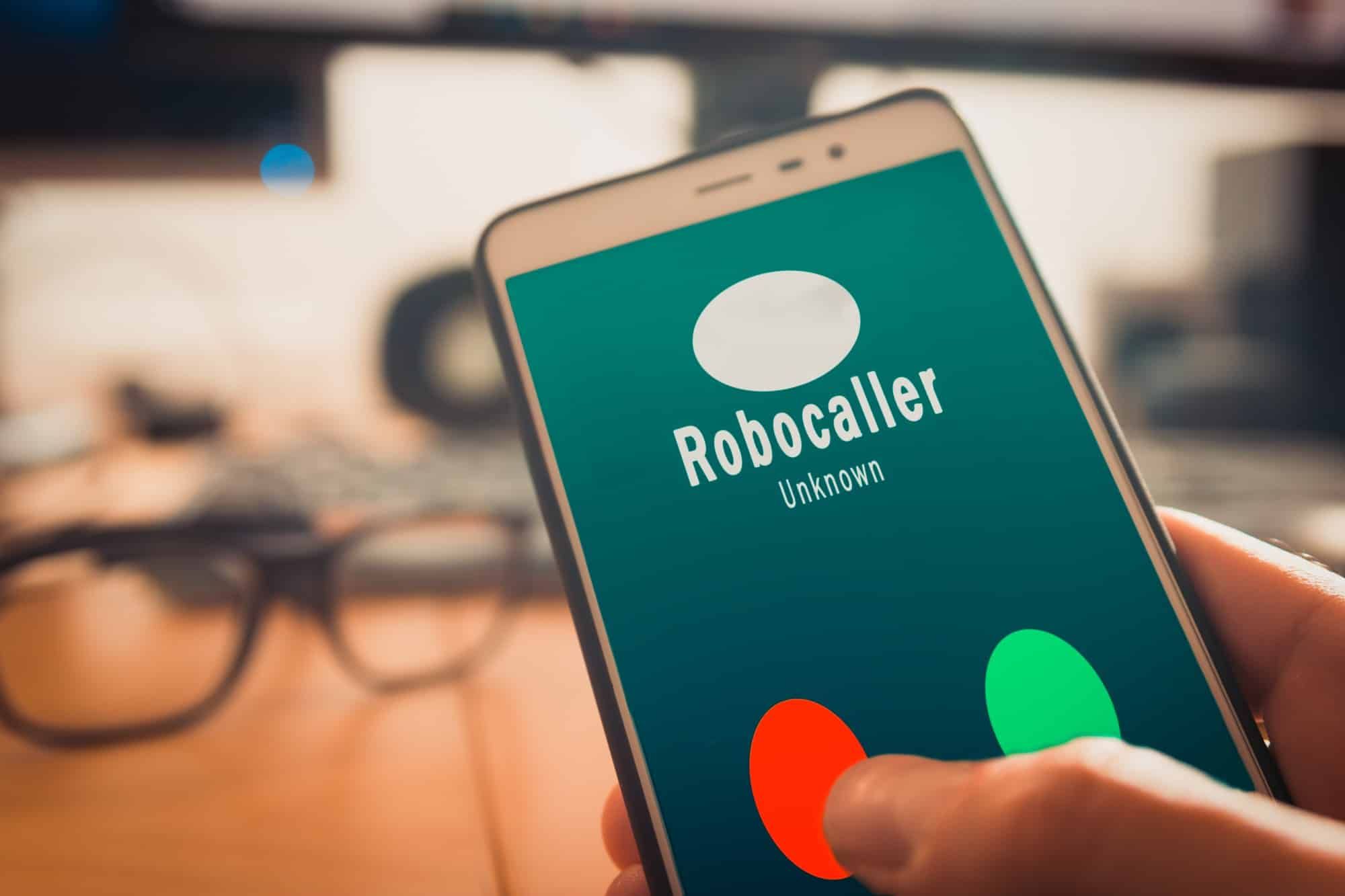
In an effort to combat hospital robocalling, the Federal Communications Commission (FCC) has launched the Hospital Robocall Protection Group to provide insight into how phone service providers, hospitals, and the government can combat unlawful robocalls to hospitals. The FCC robocalls response was established in 1991 when Congress passed the Telephone Consumer Protection Act (TCPA) to cut back on unwanted calls.
During this international health crisis, it is essential that medical workers aren’t needlessly distracted and harassed by unlawful robocalls. To that end, the FCC is asking for nominations for the newly established Hospital Robocall Protection Group, a group that will be advising phone companies and hospitals to combat this issue.
The Telephone Consumer Protection Act
The TCPA was enacted as telemarketing became more and more ubiquitous in the business world. More importantly, it was enacted to regulate the use of robocalling and to limit businesses’ access to consumers in order to protect those consumers’ privacy.
Under the TCPA, businesses must follow specific guidelines when contacting consumers. First, they must respect the FCC’s “Do-Not-Call” registry and establish their own do-not-call list. They also can only make telemarketing calls during certain times and must transmit caller ID information if possible.
The FCC robocalls response also stipulates that robocalls must identify the entity on whose behalf they are calling. Telemarketers are also limited to the number of calls they can “abandon.” The TCPA includes exceptions for calls made in error during specific situations like training or maintenance, but otherwise, infractions carry with them financial penalties.
Who Is the FCC Protecting?
According to the statement regarding the new Group, the FCC is seeking to limit robocalls to hospitals, but Bloomberg Law reports that another ruling was passed allowing medical professionals and the government greater leeway for emergency robocalling.
Calls made from hospitals providing “vital and time-sensitive health and safety information that citizens welcome, expect, and rely upon” are allowed under the expanded permissions make possible by the President’s national emergency declaration. However, this expanded protection does not cover any sort of telemarketing.

The FCC Robocalls Response for Hospitals
The establishment of this Hospital Protection Group was actually first called for before the end of 2019. The Pallone-Thune Telephone Robocall Abuse Criminal Enforcement and Deterrence Act (TRACED Act) was passed at the end of 2019 to expand the powers of the FCC laid out in the TCPA.
The TRACED Act stipulates that the FCC must strengthen protections against robocalls, must report issues to Congress, and must establish groups to protect hospitals from robocalls. Based on the National Law Review’s reporting, the TRACED Act wasn’t influenced by pandemic related concerns.
The new FCC robocalls response group aimed at protecting hospitals is meant to address three different issues, according to the National Law Review. The group is meant to issue best practices for phone service providers regarding combatting robocalls made to hospitals, for hospitals regarding how best to protect themselves, and for federal and state governments regarding how to help combat these calls.
The FCC is currently asking for nominations for the position of Chairperson to the Group. Nominations must be submitted to the FCC by May 1, 2020.
Join a Free Coronavirus TCPA Class Action Lawsuit Investigation
If you received unsolicited coronavirus texts, robocalls, or pre-recorded messages, you may be eligible to join a FREE coronavirus TCPA class action lawsuit investigation.
This article is not legal advice. It is presented
for informational purposes only.
ATTORNEY ADVERTISING
Top Class Actions is a Proud Member of the American Bar Association
LEGAL INFORMATION IS NOT LEGAL ADVICE
Top Class Actions Legal Statement
©2008 – 2026 Top Class Actions® LLC
Various Trademarks held by their respective owners
This website is not intended for viewing or usage by European Union citizens.












2 thoughts onFCC Robocalls Response Will Help Keep Hospitals’ Phone Lines Clear
Add Me Please.
Please add me