Mom Sues Wyeth and Pfizer for Son’s Effexor Birth Defects
By Dominic Rivera
 Would you take a prescription drug during pregnancy if you were warned that it could cause your child to suffer birth defects?
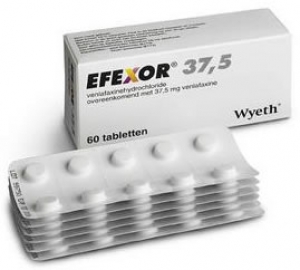
That is the main contention of Charity Block’s birth defect lawsuit, as parent and legal guardian of her son K.K., against Wyeth Pharmaceuticals Inc. and Pfizer Inc. Block alleges that Wyeth — a subsidiary of Pfizer — manufactured, promoted and sold Effexor, a drug she says is defective and dangerous to human health.
The lawsuit states that Charity took Effexor as prescribed by her physician while pregnant with K.K. She says she relied on the fact that any pregnancy issues associated with the use of Effexor would be listed or given due emphasis on the prescription information or label.
When K.K. was born, he suffered from significant birth defects as a direct result of Block’s ingestion of Effexor during pregnancy, according to the birth defect lawsuit.
In describing K.K.’s birth defects, the lawsuit says that the infant was “born on November 30, 2009 with significant congenital anomalies, including cardiac anomalies, a ventricular septal defect, patent foramen ovale, central diaphragmatic hernia, hypoplastic lungs and omphalocele, as well as other conditions.”
The Effexor birth defect lawsuit further contends that prior to Block becoming pregnant, “Pfizer and Wyeth knew or should have known that taking Effexor during pregnancy poses risks to the developing fetus.” Block claims they should have known that the drug crosses the placenta, which could have important implications for the developing fetus.
In establishing negligence, the Effexor lawsuit states that “Pfizer and Wyeth failed to fully, truthfully and accurately disclose Effexor data to the FDA, the Mother Plaintiff and the Mother Plaintiff’s physicians, and as a result negligently, intentionally and fraudulently misled the medical community, physicians, the Mother Plaintiff’s physicians, and Mother Plaintiff about the risks to a fetus associated with the use of Effexor during pregnancy.”
The mother and son are seeking compensatory and punitive damages, treble damages, delay damages, and costs of lawsuit in an amount to be determined upon trial.
The Effexor birth defect lawsuit is Charity Block, et al. v. Wyeth Pharmaceuticals Inc., et al., Case No. 05188, in the U.S. District Court for the District of Utah.
It has been a growing concern in the United States as more birth defects are being reported as a result of Effexor ingestion. If you or someone you know had a child with birth defects due to Effexor or another antidepressant, visit the Antidepressant Birth Defect Class Action Lawsuit Investigation. You can submit your information to a qualified birth defect lawyer and will receive a free legal review of your potential lawsuit. These attorneys are prepared to help you seek compensation for any birth defect believed to be caused by Effexor, Zoloft, Paxil, Celexa, Lexapro, Prozac, Cymbalta, Pristiq, and more.
All medical device, dangerous drug and medical class action and lawsuit news updates are listed in the Drug and Medical Device section of Top Class Actions.
Top Class Actions Legal Statement

FACTA lawsuit investigation: Check your paper receipts for credit card privacy violations
November 6, 2026 | Legal News