Government Study Links Celebrex and SJS, TEN
By Robert J. Boumis
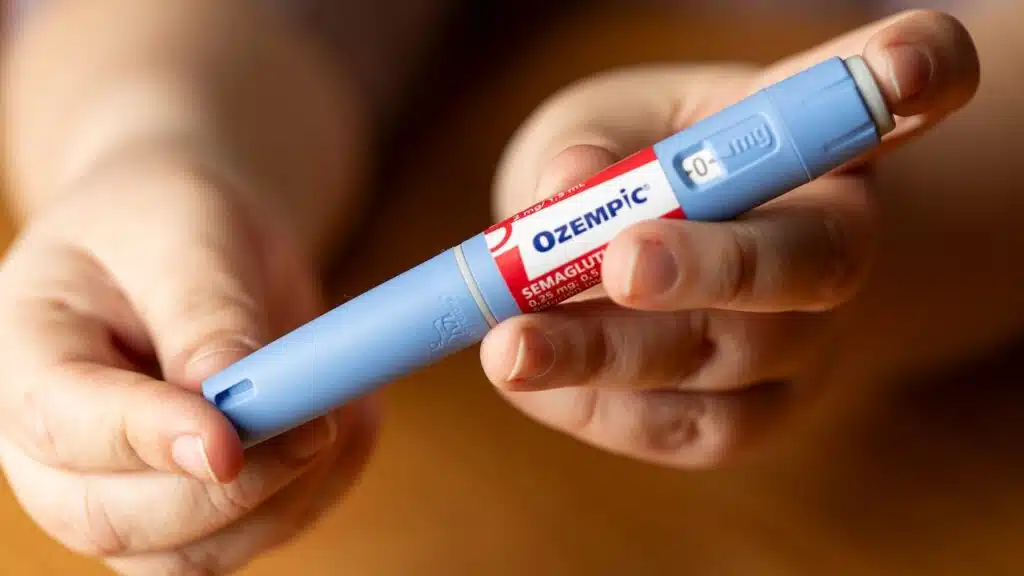
 A published research study has found a link between Stevens Johnson Syndrome and the popular drug Celebrex.
Celebrex is a type of drug designed to relieve pain and reduce swelling. It is referred to as a Non-Steroidal Anti-Inflammatory Drug (NSAID) and used for a variety of conditions, including various forms of arthritis and acute pain.
Stevens Johnson Syndrome (SJS) is an autoimmune reaction. In autoimmune reactions, the body’s own immune system goes haywire and treats the body’s own tissue as a foreign invader.
In the case of SJS, the immune system attacks the skin, causing flu-like symptoms that escalate to a painful rash with sores, then ulcers. The damage from SJS can be life threatening. Survivors face life-long disfigurement and disability, which can include visible scarring, blindness, and impaired organ function. In most severe cases, SJS can progress to a much more lethal form called Toxic Epidermal Necrolysis (TEN). In TEN, patches of skin die and slough off, leaving wounds similar to thermal burns. Though TEN has a higher mortality rate than SJS, both conditions are medical emergencies and require intensive care.
The study, published in 2005 in the journal Drug Safety used the FDA’s Adverse Event Reporting System (AERS), a system the FDA uses to track reports of complications and side effects of drugs. The researchers used the study to determine the number of cases of SJS and TEN associated with various NSAIDs and related drugs, including Celebrex. The study found that patients taking the drug had a statistically significant increase in cases of SJS and TEN compared to the background levels seen in the general population. The study advised physicians to consider the risks associated with these drugs when prescribing them, and to watch for the symptoms of these potentially-lethal side effects.
Curiously, the 2011 version of Celebrex’s safety information, on file with the FDA, does not mention SJS or TEN. Instead, the drug safety information only contains references to “life-threatening skin reactions” without elaborating.
Lawsuits have been filed against the manufacturers of drugs associated with SJS and TEN. These lawsuits allege that drug manufacturers were aware of such risks – or reasonably should have been aware based on postmarket surveillance like the AERS system, peer-reviewed journal articles like the one in Drug Safety, and their own clinical testing. Such suits may further allege that manufacturers deliberately concealed the risks of reactions like SJS or TEN, preventing patients and health care workers from having all of the information needed to make informed medical decisions.
If you, or someone you care about, took Celebrex and went on to suffer from complications like SJS and TEN, you may feel completely overwhelmed. These autoimmune reactions are medical emergencies. This type of situation requires people to drop out of their lives for weeks – at least – and undergo emergency medical care. This carries an enormous emotional burden, as well as financial challenges like medical bills, lost wages, and possibly even lost income potential if the reaction leaves permanent damage. In such a situation, feeling overwhelmed is normal. But you need to remember that regardless of the situation you are facing, you still have rights and there are steps that you can take to regain a measure of control over your situation. You can start by visiting the Stevens Johnson (SJS) & Toxic Epidermal Necrolysis (TEN) Class Action Lawsuit Investigation web page. Here, you can enter information about your situation for a review by a legal expert with a background in this type of litigation. The initial consultation is completely free of charge and from it, you can receive additional guidance on the best steps to take in your exact situation.
All medical device, dangerous drug and medical class action and lawsuit news updates are listed in the Drug and Medical Device section of Top Class Actions.
Top Class Actions Legal Statement

FACTA lawsuit investigation: Check your paper receipts for credit card privacy violations
November 6, 2026 | Legal News