

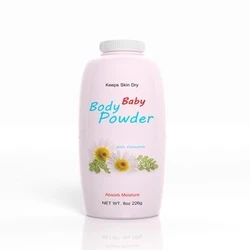
 An Illinois woman alleging that her ovarian cancer was caused by 50 years of using Johnson & Johnson baby powder on her genital area has voluntarily dismissed the Personal Care Products Council – the leading national trade association for the cosmetic and personal care products industry – from her baby powder cancer lawsuit.
The remaining defendants in the case are Johnson & Johnson, Johnson & Johnson Consumer Products, Imerys Talc America and Walgreens. Judith H. accuses the defendants of knowing that talc carried a risk associated with ovarian cancer but failing to warn consumers. She seeks damages for a failure to warn, negligence, breach of warranty and civil conspiracy.
Judith says she dusted Johnson & Johnson baby powder in her genital area from 1964 until 2013, something she says caused her to develop ovarian cancer at age 66. Johnson & Johnson makes both Johnson’s Baby Powder and Shower to Shower, both of which contain talc.
According to the baby powder lawsuit, a 1971 study first made the nexus between cancer and talc-based powder. In 1982, another study showed a 92 percent increased risk of cancer in women who used talc in the genital area. There have since been nearly two dozen studies linking talc to ovarian cancer.
A number of experts have concluded that talcum powder particles can migrate from the vagina to the ovaries after being applied to the genital area on sanitary napkins, diaphragms or condoms. To reach the ovaries, the particles would travel through the uterus and fallopian tubes.
In 2013, a federal jury found that Johnson & Johnson’s talc-based powders played a role in the 2006 ovarian cancer diagnosis of a South Dakota woman who used the powders every day for 30 years. She sued the company for negligence and failure to warn consumers about the risk. Three doctors who testified at the trial had examined extracted cancerous tissues concluded that talc particles caused the woman’s cancer.
Tens of thousands of other women have blamed their cancer on their regular use of baby powder, or talcum-based powder, in the genital region.
A Harvard epidemiologist has estimated that talcum powder in the genital area leads to 45 percent – or some 10,000 – of the annual ovarian cancer diagnoses. Approximately 22,240 women in 2013 would be diagnosed with the disease, and 14,030 of them would die from it that same year.
The condom industry ceased brushing contraceptives with talc in 1996 due to the increased risk of ovarian cancer, according to Judith’s baby powder lawsuit.
Experts believe that talcum powder particles can migrate from the vagina to the ovaries after being applied to the genital area on sanitary napkins, diaphragms or condoms. To reach the ovaries, the particles would travel through the uterus and fallopian tubes.
An American Cancer Society study concluded that women who use baby powder with talc have a 30 percent increased risk of developing ovarian cancer.
Johnson & Johnson is named as a defendant in numerous baby powder cancer lawsuits filed by women diagnosed with ovarian cancer after using talcum powder for “intimate personal hygiene” in their genital area.
Do YOU have a legal claim? Fill out the form on this page now for a free, immediate, and confidential case evaluation. The attorneys who work with Top Class Actions will contact you if you qualify to let you know if an individual lawsuit or class action lawsuit is best for you. [In general, baby powder cancer lawsuits are filed individually by each plaintiff and are not class actions.] Hurry — statutes of limitations may apply.
ATTORNEY ADVERTISING
Top Class Actions is a Proud Member of the American Bar Association
LEGAL INFORMATION IS NOT LEGAL ADVICE
Top Class Actions Legal Statement
©2008 – 2026 Top Class Actions® LLC
Various Trademarks held by their respective owners
This website is not intended for viewing or usage by European Union citizens.
Get Help – It’s Free
Join a Free Baby Powder Cancer Class Action Lawsuit Investigation
If you used Johnson’s Baby Powder, Shower to Shower, or another talcum powder product and were diagnosed with ovarian cancer, you may have a legal claim. Family members of loved ones who died of ovarian cancer can also join. Submit your information now for a free case evaluation.
An attorney will contact you if you qualify to discuss the details of your potential case at no charge to you.











