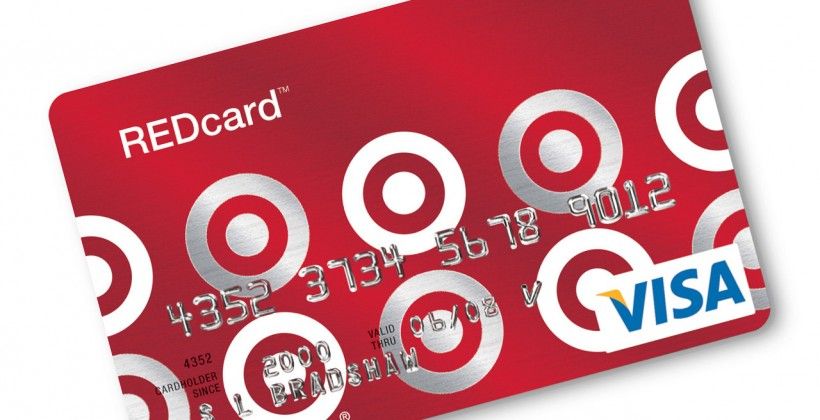
 Visa Inc. and Mastercard Inc. have been severed from the class action lawsuit against Target Corp. over the massive data breach in 2013 by the Judicial Panel on Multidistrict Litigation (JPML), which said that the allegations against the two credit card companies were sufficiently different from those against the retailer.
The charges against Visa and Mastercard are being sent back to a Utah federal court, the judicial panel said in its Aug. 13 order.
The two credit card companies are facing allegations that have to do with “their development of chip and PIN technology” and the Target lawsuits concern the 2013 data breach.
“The claims in this action against Visa and Mastercard — which arise out of Visa’s and Mastercard’s alleged failure to implement chip and personal identification number (PIN) technology in the U.S. — are not appropriate for inclusion in Section 1407 proceedings in this docket,” the panel explained.
“While they’re might be some negligible overlap in discovery, the claims against Visa and Mastercard do not share sufficient questions of fact with [the Target data breach multidistrict litigation [MDL],” they add.
Those who have brought charges against Visa and Mastercard as part of the Target data breach class action lawsuits want to know why the two credit card companies have not implemented its chip and PIN technology in the United States.
They also want to know “whether the technology would have prevented harm to plaintiffs and class members — not just from the Target data breach, but from any number of data breaches in the last two decades.”
The Target security breach took place in late 2013 and was made public by the retailer in December. The data breach occurred for about a month from Nov. 17, 2013 until Dec. 15, 2013 by unknown hackers.
Several class action lawsuits have been filed against the retail giant alleging that Target knew about data risks to its system since 2007.
Target revealed in May that $35 million in expenses had already been incurred because of the breach, and that expenses are expected to increase.
In April, 33 Target data breach class action lawsuits were consolidated into the Target data breach MDL by the JPML and sent to the U.S. District Court for the District of Minnesota. The decision was considered a win for Target, as Minneapolis, Minnesota is where Target’s headquarters are located.
The first trial in the Target MDL is expected to begin in April 2016.
Visa is represented by Robert L. Stolebarger and Andres L. Carrillo of Bryan Cave LLP and by James Jardine and Adam Richards of Ray Quinney & Nebeker.
MasterCard is represented Kenneth A. Gallo, Jacqueline V. Lueptow, Gary R. Carney of Paul Weiss Rifkind Wharton & Garrison LLP, and by George M. Haley and Stephen M. Sansom of Holland & Hart LLP.
Target is represented by Wendy J. Wildung and Michael A. Ponto of Faegre Baker Daniels LLP, and Harold J. McElhinny, Jack W. Londen, Michael J. Agoglia, Rebekah Kaufman and David F. McDowell of Morrison & Foerster LLP.
The Target Data Breach Class Action Lawsuit is Christensen et al. v. Target, case number 2:13-01136, in the U.S. District Court for the District of Utah.
The Target MDL is In re: Target Corp. Customer Data Security Breach Litigation, Case No. 0:14-md-02522, in the U.S. District Court for the District of Minnesota.
ATTORNEY ADVERTISING
Top Class Actions is a Proud Member of the American Bar Association
LEGAL INFORMATION IS NOT LEGAL ADVICE
Top Class Actions Legal Statement
©2008 – 2026 Top Class Actions® LLC
Various Trademarks held by their respective owners
This website is not intended for viewing or usage by European Union citizens.