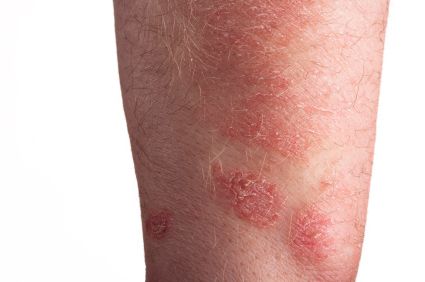
 Many patients around the United States are pursuing Stevens Johnson Syndrome (SJS) class action lawsuits after experiencing a lethal allergic reaction to a wide range of commonly prescribed and over-the-counter drugs. SJS is most likely to occur in adults ages 20-40 years old, but it has been diagnosed in children as young as three months old. In the case of some prescription antibiotics like Zithromax, the prevalence of children contracting SJS is quite high.
On Aug. 1, 2013, the U.S. Food and Drug Administration (FDA) released a public safety announcement warning of the likelihood of contracting SJS when consuming acetaminophen and other drugs. The FDA has also mandated that drugs with high rates of SJS victims label their products with warning of this severe skin condition.
Additionally, a recent study by the Journal of the American Medical Association (JAMA) has found that individuals who contracted Stevens Johnson Syndrome as a result of an adverse drug reaction are likely to relapse within a year or two of the first occurrence of the disease. This means that patients who have already suffered though SJS once have a high chance of the disease reoccurring, thus prolonging their pain and suffering.
“The reported incidence of SJS and TEN in the general population is 1.0 to 7.2 cases per 1 million individuals per year, the researchers write, but ‘the observed recurrence risk in our study (>7%) is several thousand-fold higher than would be expected,” the JAMA researcher wrote.
What is Stevens Johnson Syndrome?
Stevens Johnson Syndrome (SJS) and its cousin disease Toxic Epidermal Necrolysis (TEN) are life-threatening skin conditions that usually occur as a result of an allergic reaction to certain types of prescription and over-the-counter medications. When an individual contracts SJS or TEN, the skin cells die and separate the epidermis, topmost layer of skin, from the dermis, a more sensitive deeper layer of skin tissue.
Victims of SJS or TEN suffer extreme pain and sensitivity. As a result, they must be hospitalized for weeks to months at a time for continuous treatment and monitoring.
According to the Stevens Johnson Syndrome Foundation, some symptoms of SJS include:
- Painful blistering of the skin and mucous membrane involvement.
- Preceded with flu like symptoms and high fever.
- As it evolves, the skin sloughs off.
- Ocular involvement includes severe conjunctivis, iritis, palpebral edema, conjunctival and corneal blisters and erosions, and corneal perforation.
With the current JAMA study suggesting the high reoccurrence rate of SJS and TEN, this means that SJS and TEN victims may continue to suffer severe pain and decrease in quality of life as a result of a severe drug allergy.
Medications with SJS Side Effects
While any prescribed or over the counter medication can cause SJS and TEN, certain drugs have a high prevalence rate of SJS victims. These drugs include, but are not limited to:
- Antibiotics
- Anticonvulsants
- Sulfa based drugs
- Bactrim
- Septra
- Acetamenophin
- Amoxicillan
- Azithromycin (Zithromax)
- Barbiturates
- Ibuprofen-Motrin
- Penicillin
- Naproxen
In general, SJS lawsuits are filed individually by each plaintiff and are not class actions.
Do YOU have a legal claim? Fill out the form on this page now for a free, immediate, and confidential case evaluation. The attorneys who work with Top Class Actions will contact you if you qualify to let you know if an individual lawsuit or class action lawsuit is best for you. Hurry — statutes of limitations may apply.
ATTORNEY ADVERTISING
Top Class Actions is a Proud Member of the American Bar Association
LEGAL INFORMATION IS NOT LEGAL ADVICE
Top Class Actions Legal Statement
©2008 – 2026 Top Class Actions® LLC
Various Trademarks held by their respective owners
This website is not intended for viewing or usage by European Union citizens.
Get Help – It’s Free
Help for Victims of Stevens Johnson Syndrome
If you or a loved one were diagnosed with Stevens Johnson Syndrome (SJS) or toxic epidermal necrolysis (TEN) after taking a prescribed or over-the-counter medication, you may be eligible to take legal action against the drug’s manufacturer. Filing an SJS lawsuit or class action lawsuit may help you obtain compensation for medical bills, pain and suffering, and other damages. Obtain a free and confidential review of your case by filling out the form below.
An attorney will contact you if you qualify to discuss the details of your potential case at no charge to you.
Oops! We could not locate your form.