

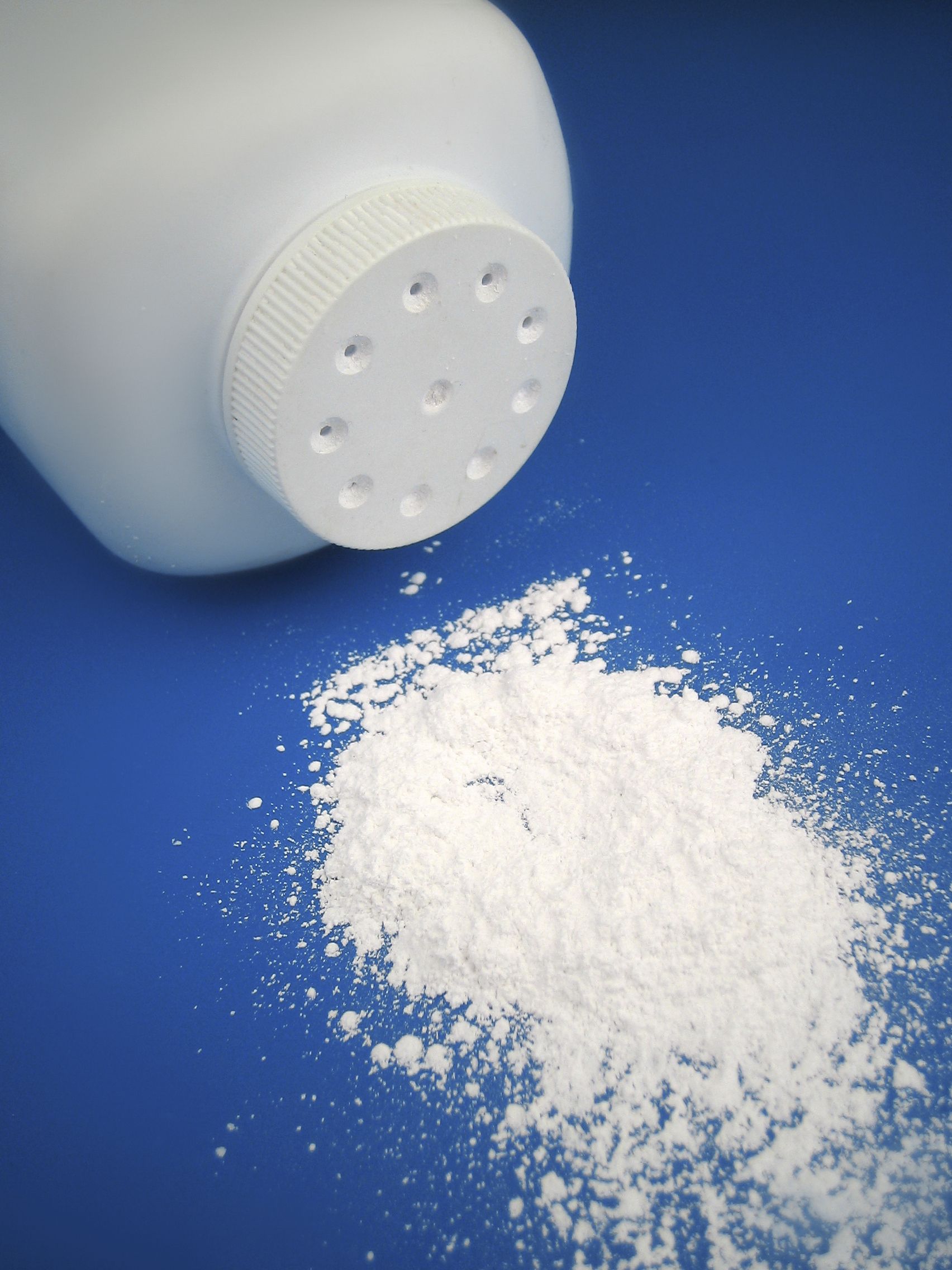
 Studies linking talcum powder use in the perineal areas to female cancers “suffer from incomplete data on patients’ family history of ovarian or breast cancer, as well as the duration and frequency of powder use,” according to Dr. Panos Konstantinopoulos of the Gynecologic Oncology Program in the Susan F. Smith Center for Women’s Cancers at Dana-Farber Cancer Institute.
A plethora of studies have indicated that using baby powder in the genital region is associated with an increased talcum powder ovarian cancer risk, with the theory being that talcum powder particles can migrate from the vagina to the ovaries after being applied to the genital area on sanitary napkins, diaphragms or condoms. To reach the ovaries, the particles would travel through the uterus and fallopian tubes.
One such study published in Cancer Prevention Research showed that women who use talc-based baby powder have up to a 30 percent increased risk of getting ovarian cancer, while another suggested genital talcum powder use may slightly increase the risk of endometrial (uterine) cancer in post-menopausal women.
Talc is known to be an ingredient in many cosmetic products as well as baby powder and adult body and facial powders, such as Johnson’s Baby Powder and Shower to Shower.
At one time, talc contained asbestos (naturally present in minerals such as magnesium and silicon), though it no longer does.
Studies investigating a potential link between women who use talcum powder and ovarian cancer have drawn mixed conclusions, according to information published on the American Cancer Society‘s website.
Some studies found a slight increased risk while others showed no increase.
A Harvard epidemiologist has estimated that talcum powder in the genital area leads to 45 percent – or some 10,000 – of the annual ovarian cancer diagnoses. Approximately 22,240 women in 2013 would be diagnosed with the disease and 14,030 of them would die of it that same year.
A study published in 2013 by Brigham and Women’s Hospital found a 25 percent increase in risk for women using talcum powder in the genital area, but other studies haven’t shown any elevated risk.
Konstantinopoulos said that the International Agency for Research on Cancer (IARC) has classified talc-based body power as “possibly carcinogenic to human beings … but at the same time, there are no official guidelines to avoid genital talc powder use as a way to prevent ovarian cancer.”
In 2013, a federal jury found that Johnson & Johnson talc-based powders played a role in the 2006 ovarian cancer diagnosis of a woman who used the powders every day for 30 years. She sued the company for negligence and failure to warn consumers about the risk.
The American Cancer Society suggests that anyone concerned about the link between ovarian cancer and talc avoid or limit their use of products that contain it. They also recommend cornstarch-based cosmetic products instead of talc powder, since there is no evidence linking cornstarch powders with any forms of cancer. It is also recommended that women avoid applying baby powder to underwear or sanitary napkins.
Do YOU have a legal claim? Fill out the form on this page now for a free, immediate, and confidential case evaluation. The attorneys who work with Top Class Actions will contact you if you qualify to let you know if an individual lawsuit or class action lawsuit is best for you. [In general, baby powder cancer lawsuits are filed individually by each plaintiff and are not class actions.] Hurry — statutes of limitations may apply.
ATTORNEY ADVERTISING
Top Class Actions is a Proud Member of the American Bar Association
LEGAL INFORMATION IS NOT LEGAL ADVICE
Top Class Actions Legal Statement
©2008 – 2026 Top Class Actions® LLC
Various Trademarks held by their respective owners
This website is not intended for viewing or usage by European Union citizens.
Get Help – It’s Free
Join a Free Baby Powder Cancer Class Action Lawsuit Investigation
If you used Johnson’s Baby Powder, Shower to Shower, or another talcum powder product and were diagnosed with ovarian cancer, you may have a legal claim. Family members of loved ones who died of ovarian cancer can also join. Submit your information now for a free case evaluation.
An attorney will contact you if you qualify to discuss the details of your potential case at no charge to you.











