Farmer’s Rice Cooperative was hit with a tainted sushi rice class action lawsuit filed by the owners of a Los Angeles sushi restaurant who allege the company sold their restaurant substandard sushi rice that was tainted with decomposing materials.
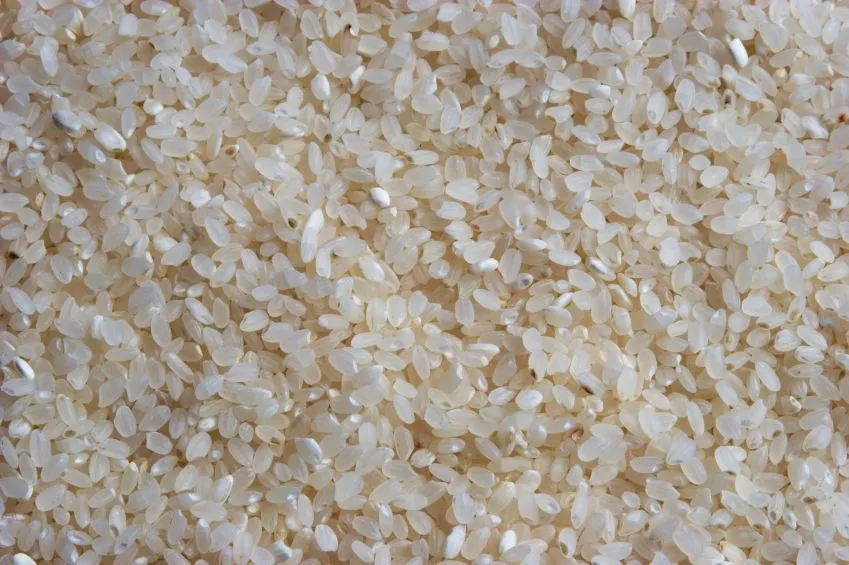
Jinju Sushi Inc. filed the tainted sushi rice class action lawsuit in Los Angeles Superior Court claiming that only 15 percent of the cooperative’s “U.S. No. 1 Extra Fancy” sushi rice contains premium grains. The restaurant further alleges Farmer’s Rice blended “flush” rice (that is, rice that is broken, used, or recycled) and was stored in unsanitary conditions with the premium rice.
According to the tainted sushi rice class action lawsuit, “Defendants store and maintain rice in such a fashion as to allow foreign substances such as insects, rodents and their soiling, bird remains and black mold to be present in its processed rice[.]” Such unsanitary conditions allegedly make the rice illegal to sell for human consumption and violates FDA regulations.
The proposed Class for the tainted sushi rice class action lawsuit would include all residents of California who have purchased the co-op’s rice from April 28, 2010, until this year. In addition to asking for Class certification and punitive damages, Jinju Sushi has also asked for a cease and desist order to prevent the co-op from selling any more allegedly misbranded, tainted sushi rice.
The Tainted Sushi Rice Class Action Lawsuit is Jinju Sushi Inc. v. Farmer’s Rice Cooperative Inc., Case No. BC553043, in the Superior Court of the State of California for the County of Los Angeles.
Sushi Rice Litigation
Sushi rice, also known as Japanese rice, has been regularly consumed in U.S. for years in sushi restaurants and sushi bars. The short grain Japanese rice can be cooked to a sticky consistency that is easy to use in sushi rolls and other dishes.
The main defendant in most tainted sushi rice lawsuits has been Farmer’s Rice Cooperative, a Sacramento-based rice supplier, which sells rice to numerous places in California. Some brands include Calrose, New Crop, and M401.
The participating sushi restaurants claim that the cooperative allegedly sold the tainted flush rice to restaurants and store owners who were under the belief that they were purchasing sushi grade Extra Fancy rice, not an inedible rice product.
In their sushi rice class action lawsuits, participating sushi restaurants and store business claim that the cooperative unfairly profited by illegally selling contaminated sushi rice intended for human consumption.
Join a Free Sushi Rice Class Action Lawsuit Investigation
If you own a California restaurant or business that sold sushi within the past four years, you may be eligible to join a free class action lawsuit investigation.
ATTORNEY ADVERTISING
Top Class Actions is a Proud Member of the American Bar Association
LEGAL INFORMATION IS NOT LEGAL ADVICE
Top Class Actions Legal Statement
©2008 – 2026 Top Class Actions® LLC
Various Trademarks held by their respective owners
This website is not intended for viewing or usage by European Union citizens.

Harassing debt collector calls lawsuit investigation: Portfolio Recovery, Midland, LVNV, Transworld, CCS, I.C. System, Harris & Harris, Radius, NCB, Sequium
November 4, 2026 | Legal News