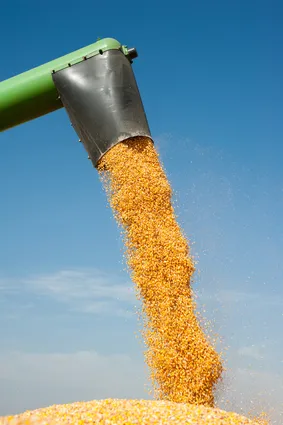
 In a recent Syngenta lawsuit, a federal judge has ruled that biotech developers of genetically modified organisms (or GMOs) may have a duty to ensure their GMO crops do not negatively impact the United States export market like Syngenta’s MIR162 genetic modified corn has allegedly done.
According to U.S. District Judge John Lungstrom’s ruling, a company’s “duty of reasonable care” may require Syngenta and other biotech companies to do more than just gain U.S. regulators’ clearance for their commercial GMO crop.
The judge’s ruling proceeds from the traditional legal principle that one’s property cannot be allowed to harm the property of another. ManySyngenta lawsuits claim that even farmers who did not buy and grow the Viptera corn seed suffered economic losses because of Syngenta’s actions.
This Syngenta lawsuit, as well as many others, stem from recent losses for many U.S. farmers because of China’s 2013 rejection of U.S. shipments of corn because of the presence and possible cross contamination with Syngenta’s GMO corn seed known as Viptera.
Syngenta has failed to inform famers and other Syngenta corn seed purchasers that China had rejected the approval of the MIR162 GMO corn seed, and since China is one of the top importers of U.S. corn, this made a huge impact on the U.S. export market.
Soon after the now infamous 2013 Syngenta corn seed rejection, farmers began filing individual Syngenta lawsuits and Syngenta class action lawsuits seeking compensation from the company.
These corn seed purchasers claim that the lack of China Viptera approval led to a drop in U.S. corn prices and ultimately caused a crop export disruption.
Many of these Syngenta corn seed lawsuits were consolidated in Kansas federal court.
New Ruling Could Mean Big Changes for Syngenta and Other Biotechs
Judge Lungstrom’s recent ruling that biotechs like Syngenta have a duty to protect the American export market may mean big changes for these companies on the legal front.
However, how strong this duty may be is still ambiguous. According to University of Oklahoma’s agricultural biotechnology law professor Drew Kershen “It’s not clear to me how strong that duty is going to be.”
Biotechs and their supporters are reasonably afraid of this latest Syngenta lawsuit ruling and the progress of this case overall, as it may force Syngenta and other biotechnology companies to change the commercialization of GMO corn and other GMO crops, even if these genetically modified foods receive USDA approval.
According to biotech critics, Judge Lungstrom’s ruling demonstrates that current USDA good regulations on GMOs are insufficient and do not do an adequate job of protecting U.S. farmers from GMO crops negative effects on the export market.
If you are a corn farmer, corn storage company, corn exporter, corn broker, or anyone who works in the corn industry, you may have a legal claim.
Do YOU have a legal claim? Fill out the form on this page now for a free, immediate, and confidential case evaluation.
ATTORNEY ADVERTISING
Top Class Actions is a Proud Member of the American Bar Association
LEGAL INFORMATION IS NOT LEGAL ADVICE
Top Class Actions Legal Statement
©2008 – 2026 Top Class Actions® LLC
Various Trademarks held by their respective owners
This website is not intended for viewing or usage by European Union citizens.
Get Help – It’s Free
Join a Free Syngenta Corn Class Action Lawsuit Investigation
If you, a family member, a partner, or an associate has been affected by Syngenta® GMO corn or declining corn prices, you may be eligible for compensation. Obtain a free and confidential review of your case by filling out the form below.
An attorney will contact you if you qualify to discuss the details of your potential case at no charge to you.
Oops! We could not locate your form.