
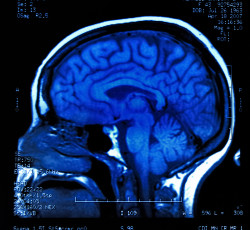
 A scientific study has indicated that long term use of the antiepileptic drug Phenytoin may be one of the causes of a condition known as cerebral atrophy, a dangerous side effect that requires immediate medical care.
Phenytoin, a form of the brand name anticonvulsant drug Dilantin, has a long history of treating many seizure disorders. Manufacturer Pfizer first introduced Dilantin in 1938, and the FDA approved it in 1953. It was the first modern drug that reduced seizures at a nonsedative dose.
Dilantin is used to treat partial seizures and generalized tonic-clonic seizures. The medication is also used to prevent seizures after brain surgery. It works by decreasing abnormal electrical activity in the brain.
It remains one of the most widely used drugs in the world. Although in most cases it is now used as a second-line therapy, it’s still the drug of choice in the emergency treatment of seizures and status epilepticus.
What is Cerebral Atrophy?
Cerebral Atrophy (also know as focal cerebral atrophy or cerebellar atrophy) is a serious progressive condition where the cerebellum shrinks to a much smaller size than normal. Essentially, it is a degeneration of the cerebellum, a section of the brain responsible for balance, voluntary muscle movements, and posture.
People with damage to the cerebellum can experience symptoms like unsteady gait, poor muscle control, and trouble speaking or swallowing. Cerebral atrophy symptoms may onset slowly or rapidly, depending on why the patient’s cerebellum is degenerating.
Cerebral Atrophy Causes
Possible cerebral atrophy causes may be linked to the long-term use of Phenytoin. A study in the early 1990’s examined the link between long term use of phenytoin and cerebral atrophy symptoms in epilepsy patients.
According to the researchers, cerebral atrophy symptoms were noted in patients with long term phenytoin exposure. While the findings were attributed by some researchers to seizures, others indicated cerebral atrophy causes may be connected to long term use of phenytoin.
The study looked at a group of patients who had partial epilepsy and had used Dilantin for a long period of time. In order to determine the degree of focal cerebral atrophy, all patients and controls underwent magnetic resonance imaging, reviewed in a blind technique.
According to the researchers, cerebral atrophy was significantly more pronounced in patients with long-term use of phenytoin than in the control group. However, researchers caution that no correlation was found between focal cerebral atrophy and instances of seizure severity or degree of phenytoin exposure.
If you or a loved one suffered a type of focal cerebral atrophy known as cerebellar atrophy after long term use of phenytoin or Dilantin, you may be eligible to join a FREE phenytoin lawsuit/Dilantin lawsuit investigation to pursue compensation for your injuries.
In general, phenytoin lawsuits are filed individually by each plaintiff and are not class actions.
Do YOU have a legal claim? Fill out the form on this page now for a free, immediate, and confidential case evaluation. The attorneys who work with Top Class Actions will contact you if you qualify to let you know if an individual Dilantin lawsuit or Dilantin class action lawsuit is best for you. Hurry — statutes of limitations may apply.
ATTORNEY ADVERTISING
Top Class Actions is a Proud Member of the American Bar Association
LEGAL INFORMATION IS NOT LEGAL ADVICE
Top Class Actions Legal Statement
©2008 – 2026 Top Class Actions® LLC
Various Trademarks held by their respective owners
This website is not intended for viewing or usage by European Union citizens.
Get Help – It’s Free
Join a Free Dilantin, Phenytoin Cerebral Atrophy Class Action Lawsuit Investigation
If you or a loved one were injured by Dilantin/phenytoin side effects, you may have a legal claim. Fill out the form for a free case evaluation.
An attorney will contact you if you qualify to discuss the details of your potential case.
Oops! We could not locate your form.












One thought on Seizure Medication Phenytoin May Cause Cerebral Atrophy