 By now almost everyone in America is familiar with the term “identity theft.” Most businesses, and a growing number of individuals, are taking steps to protect themselves from becoming the next victim of America’s fastest growing crime.
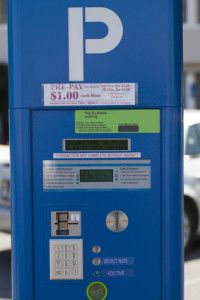
With that in mind, a citizen brought his concerns to the attention of the Salt Lake Tribune, noting that the new electronic parking kiosks recently installed throughout the city were not compliant with federal law, putting thousands of citizens at risk for identity theft and consumer fraud.
The printed credit and debit card receipts from the self-service kiosks displayed 10 out of 16 digits from consumers’ credit and debit cards. While the city acted swiftly in remedying the situation with the debit and credit card receipts now printing only showing four card numbers, many businesses have failed to comply, prompting many consumers to file FACTA class action lawsuits.
What is FACTA?
The Fair and Accurate Credit Transactions Act – FACTA for short – is a federal law enacted in 2004 that states only the last five digits of a credit card number may be printed on a receipt and must also not include the expiration date. For each willful FACTA violation – each credit and debit card receipt printed – courts are instructed to impose $100 to $1,000 in damages, in addition to possible punitive damages.
FACTA was enacted, in part, to address the security practices of merchants who accept payment via credit or debit cards. FACTA targets a very narrow problem – credit card numbers and expiration dates displayed on printed receipts – that presents an enhanced risk to consumers for identity theft and fraud.
Credit card receipts that include full account numbers and expiration dates are a gold mine for identity thieves. FACTA rules do not apply to receipts for which the sole means of recording a credit or debt card number is by handwriting or by an imprint or copy of the card.
With the rise of e-commerce and the move to a more cashless economy, identity theft was a growing concern in the early 2000s. In response, FACTA implemented a series of rules meant to help consumers.
FACTA rules include:
- The ability of consumers to obtain a free credit report
- Increased fraud alerts and active duty alerts
- Truncation requirements so that full card numbers no longer appeared on receipts
- Requirements to inform victims
- Rules that collection agencies that are told charges are a result of identity theft must report that information to creditors
- The issuance of rules on “red flags” that should trigger alerts (which is the responsibility of the creditors)
- Rules on the proper disposal of consumer reports and information
If you were provided an electronically printed credit or debit card receipt at the point of sale or transaction on which the expiration date or number of your credit or debit card was printed, you may be eligible to file a FACTA lawsuit. Any violation carries a statutory penalty of between $100 and $1,000 for each willful FACTA violation.
Free FACTA Class Action Lawsuit Investigation
If you made one or more purchases and the retailer provided you with a receipt that contained more than the last five digits of your credit or debit card number or the expiration date, you may be eligible for a free class action lawsuit investigation and to pursue compensation for these FACTA violations.
ATTORNEY ADVERTISING
Top Class Actions is a Proud Member of the American Bar Association
LEGAL INFORMATION IS NOT LEGAL ADVICE
Top Class Actions Legal Statement
©2008 – 2026 Top Class Actions® LLC
Various Trademarks held by their respective owners
This website is not intended for viewing or usage by European Union citizens.

FACTA lawsuit investigation: Check your paper receipts for credit card privacy violations
November 6, 2026 | Legal News