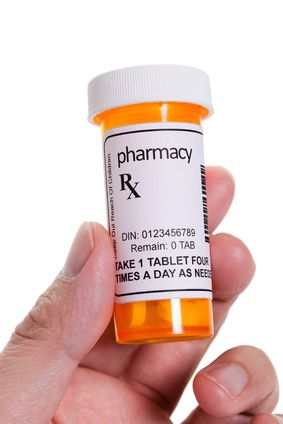
 Each year hundreds of Americans are diagnosed with Stevens Johnson Syndrome (SJS), a dermatological emergency that is fatal in 15 percent of cases. SJS is a skin condition caused by an allergic reaction to over-the-counter and prescription medications. Often times, the risk of developing Stevens Johnson Syndrome is omitted from drug warnings, resulting in SJS lawsuits.
SJS Symptoms
Stevens Johnson Syndrome is a severe medical condition that affects more than 300 patients each year, leaving them hospitalized for months of treatment. Symptoms mimic the flu at first, with patients experiencing fever, sore throat, chills and even a cough. Soon after, a rapidly spreading purple or red rash develops on the skin. The rash then begins to blister, causing the top layer of skin to die and shed.
Additional SJS side effects include:
- Facial swelling
- Tongue swelling
- Skin pain
- Blisters on skin and mucous membranes (in mouth, nose, eyes, genitals)
- Skin sloughing
- Hives
- Burning eyes
When the allergic rash can be contained to 10-30 percent of the body, it is considered Stevens Johnson Syndrome; when the rash spreads beyond 30 percent, the condition is then medically referred to as Toxic Epidermal Necrolysis (TEN). Physicians treating SJS and TEN patients focus their efforts on determining which medication is causing the life-threatening allergic reaction. Once that is figured out, doctors caution patients to permanently avoid that drug.
There are several long-term side effects to SJS and TEN, including eye complications, blindness, permanent skin damage, secondary skin infection (cellulitis), internal organ damage, and sepsis (blood infection).
SJS has a 15 percent mortality rate, while TEN is fatal 40 percent of the time.
Medications Linked to SJS
Recent studies have associated numerous medications with an increased risk of developing Stevens Johnson Syndrome. The most commonly reported SJS reactions have occurred with the following drugs:
- Dilantin
- Onfi
- Zithromax
- Lamictal
- Cipro (Ciprofloxacin)
- Levaquin (levofloxacin)
- Avelox (moxifloxacin)
- Advil
- Ibuprofen
- Motrin
- Tylenol
SJS class action investigations are taking place in an effort to determine if drug manufacturers adequately warned consumers of the risk of developing the SJS skin reaction.
SJS and TEN Lawsuits
A growing number of SJS lawsuits have been filed across the nation. In general, SJS lawsuits allege drug manufacturers failed to warn of the serious risks linked to taking the medication. Plaintiffs allege manufacturers were at the very least negligent and seek to be financial compensated because of it.
SJS attorneys seek to recover damages for their clients, including the costs of lengthy hospital stays as well as pain and suffering. Recent SJS lawsuits have awarded plaintiffs thousands and occasionally millions of dollars in damages.
If you’ve experienced the allergic skin reaction known as Stevens Johnson Syndrome, contact an SJS attorney to find out your legal rights. Often times, drug manufacturers have been found liable for omitting the SJS risks linked to their medication.
Families who lost a loved one to Stevens Johnson Syndrome can also file a wrongful death lawsuit.
Do YOU have a legal claim? Fill out the form on this page now for a free, immediate, and confidential case evaluation. The Stevens Johnson Syndrome attorneys who work with Top Class Actions will contact you if you qualify to let you know if an individual lawsuit or class action lawsuit is best for you. [In general, SJS lawsuits are filed individually by each plaintiff and are not class actions.] Hurry — statutes of limitations may apply.
ATTORNEY ADVERTISING
Top Class Actions is a Proud Member of the American Bar Association
LEGAL INFORMATION IS NOT LEGAL ADVICE
Top Class Actions Legal Statement
©2008 – 2026 Top Class Actions® LLC
Various Trademarks held by their respective owners
This website is not intended for viewing or usage by European Union citizens.
Get Help – It’s Free
Help for Victims of Stevens Johnson Syndrome
If you or a loved one were diagnosed with Stevens Johnson Syndrome (SJS) or toxic epidermal necrolysis (TEN) after taking a prescribed or over-the-counter medication, you may be eligible to take legal action against the drug’s manufacturer. Filing an SJS lawsuit or class action lawsuit may help you obtain compensation for medical bills, pain and suffering, and other damages. Obtain a free and confidential review of your case by filling out the form below.
An attorney will contact you if you qualify to discuss the details of your potential case at no charge to you.
Oops! We could not locate your form.