
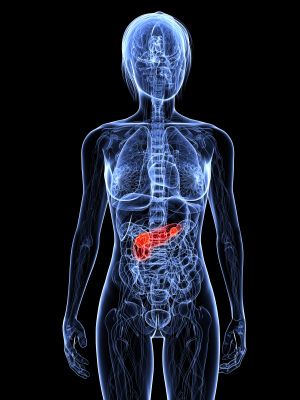
 Those who take Onglyza as part of their type 2 diabetes treatment may already be aware of the connection between Onglyza and pancreatitis since Onglyza’s label has warned patients about pancreatitis since November 2011.
But more recent research suggests the possibility that pancreatic cancer can develop from the side effects that Onglyza has on the pancreas.
How Onglyza Works
Onglyza is the brand name for saxagliptin, a drug that helps diabetes patients keep their blood sugar under control as part of a full regimen of type 2 diabetes treatment. Saxagliptin is also used in combination with metformin in the brand-name drug Kombiglyze XR.
Onglyza is part of a larger class of diabetes medications known as DPP-4 inhibitors. These medications work by promoting release of extra insulin into the bloodstream after meals.
In healthy persons without diabetes, eating a meal stimulates production of incretin hormones. These hormones cue the pancreas to produce and release more insulin, which itself makes the body absorb more sugar out of the bloodstream, reducing the amount of sugar in the blood.
Persons with type-2 diabetes don’t produce a normal amount of incretin hormones after meals. That incretin deficit means the pancreas will not secrete the amount of insulin needed to control blood sugar.
Onglyza and other medications like it block the action of DPP-4, the enzyme that breaks down incretins. By inhibiting DPP-4, more incretins are left active in the body, stimulating more production of insulin and keeping blood sugar under control.
Onglyza also helps control blood sugar by reducing the amount of glucagon released from the pancreas. Reducing glucagon makes the liver produce less glucose than it would otherwise.
But some recent research suggests the possibility that Onglyza’s effects on the pancreas could lead to pancreatic canceer. An autopsy study published in Diabetes in March 2013 found pre-cancerous cells in the pancreases of patients who had taken incretin drugs.
These researchers found that the pancreases of patients who had taken DPP-4 drugs had developed more beta cells, the cells that release insulin. That’s consistent with how DPP-4 drugs are supposed to work: patients with type-2 diabetes have fewer and smaller beta cells that can’t produce enough insulin, and DPP-4 drugs supposedly increase the number and size of beta cells.
However, the researchers noted that some of the new cells were not normal. They found a few instances of microadenomas, small tumors that are benign but that also have the potential to become malignant. One subject revealed a neuroendocrine tumor.
The researchers noted these findings occurred in type-2 diabetes patients who had used DPP-4 drugs or a different class of incretin drugs known as GLP-1 drugs. Patients who had used other types of type 2 diabetes treatment did not show similar pancreatic changes.
The FDA Response
While these findings were not conclusive proof of the existence of Onglyza cancer, they were suggestive enough to warrant further investigation from the FDA. In March 2013 the agency issued a drug safety communication announcing its investigation into the possibility of Onglyza cancer.
In general, Onglyza lawsuits are filed individually by each plaintiff and are not class actions.
Do YOU have a legal claim? Fill out the form on this page now for a free, immediate, and confidential case evaluation. The attorneys who work with Top Class Actions will contact you if you qualify to let you know if an individual Onglyza lawsuit or Ongylyza class action lawsuit is best for you. Hurry — statutes of limitations may apply.
ATTORNEY ADVERTISING
Top Class Actions is a Proud Member of the American Bar Association
LEGAL INFORMATION IS NOT LEGAL ADVICE
Top Class Actions Legal Statement
©2008 – 2026 Top Class Actions® LLC
Various Trademarks held by their respective owners
This website is not intended for viewing or usage by European Union citizens.
Get Help – It’s Free
Join a Free Onglyza Lawsuit Investigation
If you or a loved one were injured from Onglyza side effects such as heart failure, thyroid cancer or pancreatic cancer, you may have a legal claim. See if you qualify to pursue compensation and join a free Onglyza lawsuit investigation by submitting your information for a free case evaluation.
An attorney will contact you if you qualify to discuss the details of your potential case.
Oops! We could not locate your form.









One thought on Onglyza Side Effects Could Include Pancreatic Cancer