Ofloxacin is a powerful antibiotic, but it may be linked to liver damage. The drug is approved to treat a variety of infections, including bronchitis, pneumonia, skin infections, and a wide variety of other bacterial infections. However, one of the most serious side effects reported is acute liver failure and liver toxicity.
What is Ofloxacin?
Ofloxacin belongs to a family of antibiotics called fluoroquinolones, within the larger quinolone antibiotic family. Quinolone antibiotics were the first fully synthetic family of antibiotics. All earlier families of antibiotics were produced by fungi or bacteria, or derived from such compounds, while the quinolones were the first antibiotics to be synthesized in the laboratory from scratch.
Quinolone antibiotics work by interfering with part of the process bacteria use to create copies of their DNA during reproduction. Since this process is different in bacteria than humans, the idea is that these drugs can be lethal to bacteria with only mild side effects for humans.
Fluoroquinolones like Ofloxacin were a further refinement and development of these drugs. However, all quinolones carry a risk of liver failure, and Ofloxacin is no exception.
Ofloxacin was first approved for use in 1990, but the main company that sponsored it stopped selling it due to concerns over fluoroquinolone side effects. However, a variety of generics are still available on the market.
Ofloxacin Liver Failure
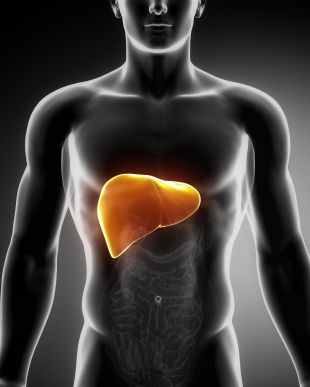
The National Institute of Health (NIH) has reported that acute liver failure is a rare but serious side effect for Ofloxacin and other quinolone antibiotics. Liver failure is a state when the liver stops functioning, possibly due to tissue death in the organ. Liver toxicity, or poisoning of the liver, is a major cause of liver failure, and fluoroquinolones like Ofloxacin can cause this state in some individuals.
Rare but serious liver failure has been reported. The liver failure reported with Ofloxacin is usually considered acute—sudden onset and serious–rather than a milder, lingering condition, which can also happen with liver failure from other causes.
The NIH reports that most cases of acute liver failure reported while taking Ofloxacin are usually reported two days to two weeks after starting on the drug. Two forms of liver failure are usually reported: cholestatic or liver toxicity. Cholestatic tends to be milder and lasts longer but is generally considered a condition that will go away on its own. However, liver toxicity is more serious. It tends to happen quicker and can be lethal.
Symptoms of Liver Toxicity
The symptoms of liver toxicity include nausea, fatigue, pain in the upper part of the stomach, and jaundice. A healthy liver breaks down compounds that can yellow the skin. When a patient is suffering from liver failure or even impaired liver function, jaundice can appear. When a doctor suspects liver failure or liver toxicity, blood tests can give a more detailed picture of what’s going on. Liver toxicity varies from a very mild condition to a fatal state.
Symptoms are similar for both forms of liver failure reported with Ofloxacin, but blood tests can quickly distinguish the two types.
Patients who took a quinolone antibiotic like Ofloxacin and were injured may have a legal claim.
Do YOU have a legal claim? Fill out the form on this page now for a free, immediate, and confidential case evaluation. The attorneys who work with Top Class Actions will contact you if you qualify to let you know if an individual lawsuit or class action lawsuit is best for you. [In general, quinolone lawsuits are filed individually by each plaintiff and are not class actions.] Hurry — statutes of limitations may apply.
ATTORNEY ADVERTISING
Top Class Actions is a Proud Member of the American Bar Association
LEGAL INFORMATION IS NOT LEGAL ADVICE
Top Class Actions Legal Statement
©2008 – 2026 Top Class Actions® LLC
Various Trademarks held by their respective owners
This website is not intended for viewing or usage by European Union citizens.
Get Help – It’s Free
Join a Free Quinolone Class Action Lawsuit Investigation
If you or someone you know took Cipro, Levaquin, Avelox or another quinolone antibiotic and were diagnosed with liver failure, Stevens Johnson Syndrome (SJS) or toxic epidermal necrolysis (TEN), you may have a legal claim. See if you qualify by submitting your information below for a free and confidential case review.
An attorney will contact you if you qualify to discuss the details of your potential case at no charge to you.
Oops! We could not locate your form.