
 Traditionally, we have associated asbestos-related illness with jobs in industry. In truth, occupational asbestos exposure is far more widespread than previously thought.
Asbestos is formed from six different naturally-occurring minerals. There are two main types of those minerals – serpentine, made up of long, curly fibers, and amphibole, made up of sharp, needle-like, brittle fibers.
Serpentine asbestos fibers, like amphibole, is remarkable in that is it heat, chemical and fire-resistant. Because of these qualities, it was a prized ingredient that was added to construction materials such as insulation, drywall, roofing materials, and concrete products. For that reason, construction and demolition work may come with a risk of occupational asbestos exposure.
What received less press overall was that asbestos was also added to everyday consumer items as a matter of course for most of the twentieth century. Items such as kitchen appliances, hygiene appliances like shavers and curling irons, men’s and women’s apparel, exterior and interior household paints, and pots for plants were among the product list. This fact widens the girth of occupational asbestos exposure.
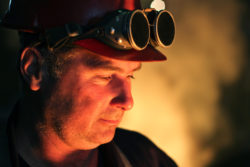
Metal-working was among the jobs in which occupational asbestos exposure came to light. Within the category of metal-working is steel mill workers, blacksmiths, smelters, welders and aluminum and iron workers.
In these professions, asbestos was often used in protective clothing and gloves because of its heat and fire resistance and the very high temperatures at which workers routinely labored. The threat of fire was ever present.
The work stations of metal workers were often constructed using asbestos-containing products because of the necessity of creating a fire-safe environment. The occupational asbestos exposure was increased when products with it would break down because of the high heat.
Chemical plants are known to create a risk of exposure to hazards like asbestos. Like metal-working, protective clothing often donned by chemical workers frequently contained asbestos because of its fire, heat, and chemical resistance.
Because of those same traits, asbestos often lined equipment used to process chemicals such as ovens, pumps, pipes, boilers, tables and other work surfaces. Cutting into these products could cause asbestos fibers to become airborne and inhaled.
Finally, power plants that lit up America were full of asbestos hazards until regulations in the 1970s started to infiltrate the management of plants requiring changes such as employee warnings and elimination of exposures. General laborers worked together in close proximity with more highly skilled technicians such as electricians, pipe fitters and insulators.
Like with metal-working and chemical plants, protective gear worn and materials frequently surrounding work stations or tools used contained asbestos. It was virtually impossible to avoid.
In addition to the wide net of workers just these three categories employ, there is the problem of second-hand occupational asbestos exposure. Fibers on workers’ clothing could expose family members at home. This second-hand exposure could cause diagnoses of mesothelioma and lung cancer to continue to climb.
Do YOU have a legal claim? Fill out the form on this page now for a free, immediate, and confidential case evaluation. The attorneys who work with Top Class Actions will contact you if you qualify to let you know if an individual asbestos lawsuit or asbestos class action lawsuit is best for you. [In general, asbestos mesothelioma lawsuits are filed individually by each plaintiff and are not class actions.] Hurry — statutes of limitations may apply.
ATTORNEY ADVERTISING
Top Class Actions is a Proud Member of the American Bar Association
LEGAL INFORMATION IS NOT LEGAL ADVICE
Top Class Actions Legal Statement
©2008 – 2026 Top Class Actions® LLC
Various Trademarks held by their respective owners
This website is not intended for viewing or usage by European Union citizens.
Get Help – It’s Free
Join a Free Asbestos Mesothelioma Class Action Lawsuit Investigation
If you or a loved one were exposed to asbestos and developed mesothelioma, lung cancer, or cancer in the lining of the lungs, abdomen or chest cavity, you may be able to take legal action against the companies responsible. Don’t delay – in most states the statute of limitations is two years to file an asbestos lawsuit after you’re diagnosed. Obtain a free and confidential case evaluation be filling out the form below.
An attorney will contact you if you qualify to discuss the details of your potential case at no charge to you.
Please Note: If you want to participate in this investigation, it is imperative that you reply to the law firm if they call or email you. Failing to do so may result in you not getting signed up as a client, if you qualify, or getting you dropped as a client.
Oops! We could not locate your form.











One thought on Occupational Asbestos Exposure More Widespread Than Thought