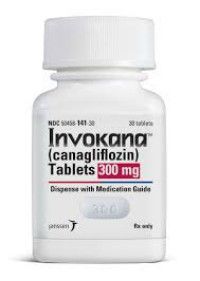
 Johnson & Johnson is facing a new Invokana lawsuit, from a married couple alleging the drug had compounded the husband’s diabetic condition.
The couple alleges Invokana caused diabetic ketoacidosis soon after the husband ingested the medication, which further complicates his health.
Washington plaintiffs Victor and Dawn F. are filing this Invokana lawsuit, stating that the pharmaceutical company had failed to warn them against the drug’s side effects.
Victor had began taking Invokana in March 2015 to help control his blood sugar levels, which would ultimately make his other diabetic symptoms more manageable.
However, having only used the medication for a few months until May 2015, he says he experience first hand that allegedly Invokana could cause diabetic ketoacidosis.
As a patient with type-2 diabetes, Victor has to undergo regular checks of his blood sugar levels and adhere to a strict diabetic diet to insure adequate health.
Instead of improving his diabetic condition, however, Victor alleges Invokana caused diabetic ketoacidosis and now has to contend with this condition.
Overview of Invokana Diabetic Ketoacidosis
Diabetic ketoacidosis is a condition in which the toxins in the blood, called ketones, build up and eventually make the blood dangerously acidic.
Long term complications of this disease include chronic kidney failure or even complete kidney failure, leading to long term dialysis and sometimes death.
Diabetic ketoacidosis has been linked to Invokana and other sodium-glucose cotransporter 2 (SGLT2) inhibitors, due to their unique treatment mechanism.
Invokana and other SGLT2 inhibitors work by preventing the body from absorbing excess sugar in the blood, which results in ideal levels of insulin and blood sugar.
The excess sugar is filtered out through the urination after being processed by the kidneys, which allegedly causes some patients to develop diabetic ketoacidosis.
Victor was no different in this, and had no knowledge that Invokana could cause diabetic ketoacidosis. At all times during his Invokana prescription, Victor had only used the medication for its intended purpose and followed all prescription instructions.
After being approved to go to market by the FDA in March 2013, Invokana quickly became a popular treatment choice for diabetic patients.
Victor also followed the advice of his physician, stating that neither he or his doctors were aware of Invokana’s alleged link to diabetic ketoacidosis. Johnson & Johnson allegedly failed to produce any relevant studies, and failed to disclose this risk to Victor or his physicians.
Victor states that he never would have taken the medication, if he had known Invokana potentially caused diabetic ketoacidosis. Dawn is jointly filing with her husband, alleging their marriage was permanently compromised by the adverse effects of Invokana. Both are seeking damages for loss of consortium, failure to warn, and multiple counts of negligence.
This Invokana lawsuit is Case No. 3:16-cv-05649, in the U.S. District Court of New Jersey, Trenton Division.
In general, Invokana lawsuits are filed individually by each plaintiff and are not class actions.
Do YOU have a legal claim? Fill out the form on this page now for a free, immediate, and confidential case evaluation. The attorneys who work with Top Class Actions will contact you if you qualify to let you know if an individual lawsuit or class action lawsuit is best for you. Hurry — statutes of limitations may apply.
ATTORNEY ADVERTISING
Top Class Actions is a Proud Member of the American Bar Association
LEGAL INFORMATION IS NOT LEGAL ADVICE
Top Class Actions Legal Statement
©2008 – 2026 Top Class Actions® LLC
Various Trademarks held by their respective owners
This website is not intended for viewing or usage by European Union citizens.
Get Help – It’s Free
Join a Free Invokana Class Action Lawsuit Investigation
If you or a loved one suffered ketoacidosis or kidney failure after taking Invokana, you may have a legal claim. See if you qualify to pursue compensation and join a free diabetes medication class action lawsuit investigation by submitting your information for a free case evaluation.
An attorney will contact you if you qualify to discuss the details of your potential case.
Please Note: If you want to participate in this investigation, it is imperative that you reply to the law firm if they call or email you. Failing to do so may result in you not getting signed up as a client, if you qualify, or getting you dropped as a client.
Oops! We could not locate your form.