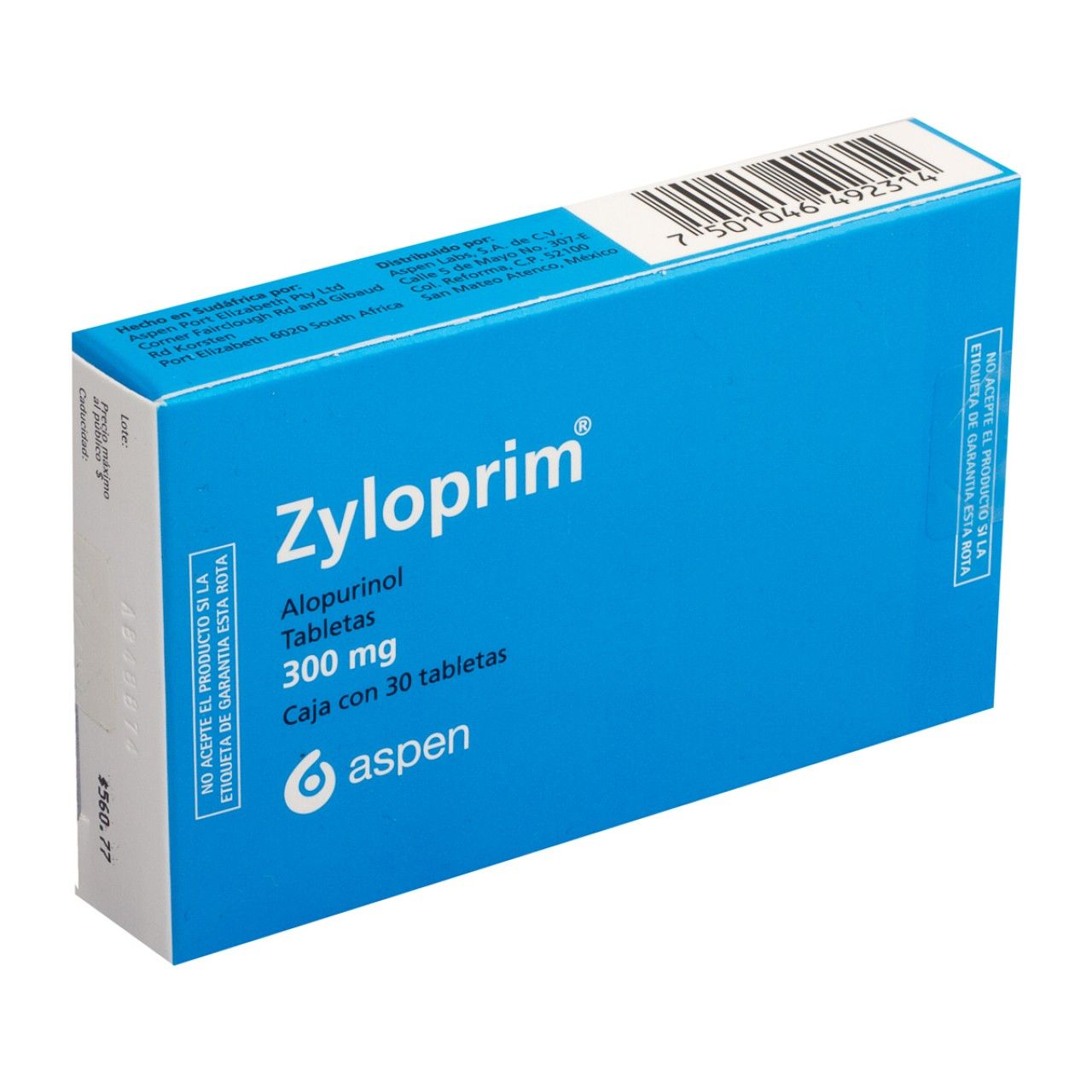
 Gout patients who use Zyloprim to prevent attacks may not be aware of their risk for developing Zyloprim Stevens Johnson Syndrome.
Zyloprim, which also goes by the generic name allopurinol, is approved by the FDA as a treatment for gout. It works by reducing the amount of uric acid produced in the body.
The same mechanism of action also makes it a suitable treatment for other conditions related to high levels of uric acid, like kidney stones or the side effects of some cancer medications.
Like all drugs, Zyloprim comes with a risk of causing certain side effects. The most common side effects associated with Zyloprim are drowsiness, diarrhea, and upset stomach.
Other, less common side effects reported include fever, sore throat, irritation of the eyes, swelling of the lips or mouth, or skin rash. These particular symptoms may just come and go on their own and never amount to anything serious.
Watching for Signs of Zyloprim Stevens Johnson Syndrome
Those same symptoms, however, can be some of the earliest symptoms of a potentially deadly condition known as Stevens Johnson Syndrome.
By attacking the patient’s mucous membranes and outer layer of skin, this condition exposes the patient to a risk of life-threatening systemic infections and organ failure.
The characteristic symptoms of Stevens Johnson Syndrome affect the skin. The patient typically breaks out in a rash, followed by the formation of blisters that grow and combine to form large areas of skin that come loose and peel away.
In its more extreme manifestations, Zyloprim Stevens Johnson Syndrome may be referred to as Toxic Epidermal Necrolysis. Both these conditions are considered different variants of each other.
The main difference is in how much of the body surface area is affected. Toxic Epidermal Necrolysis affects 30 percent or more, while Zyloprim Stevens Johnson Syndrome affects 10 percent or less. Anything in between is considered overlap.
Both conditions also affect the mucous membranes, the soft tissue that lines parts of the digestive and respiratory systems. Symptoms here can make breathing or swallowing food difficult. Lesions in the eyes are common, often causing the patient to develop conjunctivitis.
While Stevens Johnson Syndrome is rare, the drugs that can cause it are not. Research suggests that Zyloprim is one of the drugs more frequently associated with this condition.
According to one study published in the Journal of the American Academy of Dermatology in 2008, “allopurinol is the drug most commonly associated with [Stevens Johnson Syndrome or Toxic Epidermal Necrolysis].”
Out of 379 patients studied who had been diagnosed with either Stevens Johnson Syndrome or Toxic Epidermal Necrolysis, 66 cases were linked to Zyloprim. Higher doses of Zyloprim were associated with higher risks of Stevens Johnson Syndrome.
The researchers mentioned there had been an increase in cases of Zyloprim Stevens Johnson Syndrome, which they believed was possibly attributable to increased use and higher doses of Zyloprim.
Because Stevens Johnson Syndrome is so rare, patients who take Zyloprim may not be aware of it as a potential side effect. It is the responsibility of the drug’s manufacturer to provide adequate warnings about side effects to both patients and their doctors.
Failure to provide such warnings can be grounds for a pharmaceutical products liability lawsuit.
Do YOU have a legal claim? Fill out the form on this page now for a free, immediate, and confidential case evaluation. The Stevens Johnson Syndrome attorneys who work with Top Class Actions will contact you if you qualify to let you know if an individual lawsuit or class action lawsuit is best for you. [In general, SJS lawsuits are filed individually by each plaintiff and are not class actions.] Hurry — statutes of limitations may apply.
ATTORNEY ADVERTISING
Top Class Actions is a Proud Member of the American Bar Association
LEGAL INFORMATION IS NOT LEGAL ADVICE
Top Class Actions Legal Statement
©2008 – 2026 Top Class Actions® LLC
Various Trademarks held by their respective owners
This website is not intended for viewing or usage by European Union citizens.
Get Help – It’s Free
Help for Victims of Stevens Johnson Syndrome
If you or a loved one were diagnosed with Stevens Johnson Syndrome (SJS) or toxic epidermal necrolysis (TEN) after taking a prescribed or over-the-counter medication, you may be eligible to take legal action against the drug’s manufacturer. Filing an SJS lawsuit or class action lawsuit may help you obtain compensation for medical bills, pain and suffering, and other damages. Obtain a free and confidential review of your case by filling out the form below.
An attorney will contact you if you qualify to discuss the details of your potential case at no charge to you.
Please Note: If you want to participate in this investigation, it is imperative that you reply to the law firm if they call or email you. Failing to do so may result in you not getting signed up as a client, if you qualify, or getting you dropped as a client.
Oops! We could not locate your form.