
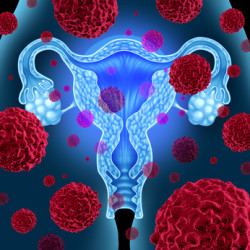
 Uterus cancer is a common cancer that affects the female reproductive system.
It’s also called uterine cancer and endometrial cancer and the fourth most common cancer diagnosed in women after breast cancer, lung cancer, and cancer of the colon and rectum.
Symptoms of Uterus Cancer
The most common symptom of uterus cancer is abnormal bleeding from the vagina, although most women with abnormal bleeding don’t have cancer.
Bleeding may start as light bleeding accompanied by a watery discharge, which may get heavier over time. Most women diagnosed with uterus cancer have been through the menopause, so any vaginal bleeding will be unusual.
In women who haven’t been through the menopause, unusual vaginal bleeding may consist of:
- periods that are heavier than usual
- vaginal bleeding in between normal periods
Less common symptoms include pain in the lower abdomen (tummy) and pain during sex.
If uterus cancer reaches a more advanced stage, it may cause additional symptoms. These include:
- pain in the back, legs, or pelvis
- loss of appetite
- tiredness
- nausea
Why Does Uterus Cancer Happen?
It’s not clear exactly what causes uterus cancer, but certain things can increase a woman’s risk of developing the condition.
A hormone imbalance is one of the most important risks for uterus cancer. Specifically, a woman’s risk is increased if they have high levels of a hormone called estrogen in their body.
A number of things can cause this hormone imbalance, including obesity, diabetes, and hormone replacement therapy (HRT).
There is also a small increase in the risk of uterus cancer with long-term use of a certain breast cancer drug.
Another potential cause of uterus cancer is undergoing gynecological surgery such as a hysterectomy or uterine fibroid removal surgery where a surgical tool known as a power morcellator is used.
Power Morcellation Uterus Cancer Risk
Each year, surgeons use power morcellators to perform approximately 50,000 hysterectomies and myomectomies, which involve removing a woman’s uterus or uterine fibroids laparoscopically.
The morcellator—essentially a powered device with sharp edges and cutting jaws—creates a small incision that, in theory, allows patients to heal more quickly than with traditional surgery.
When a surgeon uses power morcellation in uterine surgery, previously undetected cancerous uterine fibroid tissue may be liquefied, allowing cancer to spread throughout a patient’s body. This can result in metastization and new, life-threatening tumors.
Research shows that uterine surgery performed using morcellation may significantly reduce the odds of long-term survival in women with undetected uterus cancer or sarcoma.
FDA Warns Against Morcellator Use
The U.S. Food and Drug Administration (FDA) estimates that 1 in 350 women who undergo hysterectomies and myomectomies have an undetected uterine sarcoma.
In fact, the agency issued a safety communication discouraging surgeons from using power morcellator devices in hysterectomies and myomectomies.
Even when specimen bags are used to prevent cancerous uterine tissue from spreading throughout the body, the agency recommends doctors discuss the cancer risks associated with morcellator surgeries with patients prior to operating.
If you or someone you love developed uterus cancer after undergoing a laparoscopic uterine fibroid surgery, myomectomy, or hysterectomy using a power morcellator device, you may be entitled to compensation for your medical bills, pain and suffering, and more.
Do YOU have a legal claim? Fill out the form on this page now for a free, immediate, and confidential case evaluation. The morcellation cancer attorneys who work with Top Class Actions will contact you if you qualify to let you know if an individual lawsuit or class action lawsuit is best for you. [In general, morcellator cancer lawsuits are filed individually by each plaintiff and are not class actions.] Hurry — statutes of limitations may apply.
ATTORNEY ADVERTISING
Top Class Actions is a Proud Member of the American Bar Association
LEGAL INFORMATION IS NOT LEGAL ADVICE
Top Class Actions Legal Statement
©2008 – 2026 Top Class Actions® LLC
Various Trademarks held by their respective owners
This website is not intended for viewing or usage by European Union citizens.
Get Help – It’s Free
Join a Free Morcellation Cancer Class Action Lawsuit Investigation
If you or a loved one were diagnosed with cancer in the uterus, pelvis or abdomen within two years of undergoing surgery for a myomectomy (removal of fibroids), hysterectomy (removal of the uterus), oophorectomy (removal of the ovaries), or salpingectomy (removal of fallopian tubes), you may have a legal claim. See if you qualify by filling out the short form below.
An attorney will contact you if you qualify to discuss the details of your potential case at no charge to you.
Oops! We could not locate your form.












2 thoughts onHow Do You Get Uterus Cancer?