 Patients with type-2 diabetes who use new diabetes medications in the SGLT2 inhibitor class, including Invokana, Glyxambi, and Jardiance, may be at risk of diabetic ketoacidosis, a life-threatening side effect that occurs when toxic acids build up in the blood.
What is Ketoacidosis?
According to the American Diabetes Association, ketoacidosis – also known as acidosis or diabetic ketoacidosis (DKA) – is a condition that causes the body to produce excessive levels of blood acids, or keytones, and can lead to diabetic coma and even death.
The condition occurs when the body starts burning fat as a fuel source instead of using glucose (sugar) in the bloodstream because it does not have enough insulin.
Serious complications fromdiabetic ketoacidosis include:
- Cerebral edema (swelling and fluid buildup in the brain)
- Heart attack
- Blood clots
- Extremely low blood pressure
- Intestinal tissue damage due to lack of blood-flow
- Kidney failure
- Coma
- Death (about 1-5 percent of cases are deadly)
Hospitalization is usually necessary to treat people with diabetic ketoacidosis. Most patients will receive intravenous insulin to help bring ketone levels back to normal. They may also receive fluids to treat dehydration.
Diabetes Medications Linked to Ketoacidosis
Diabetic ketoacidosis is normally associated with type-1 diabetes, but has also been reported in patients with type-2 diabetes taking diabetes medications in the SGLT2 inhibitor class.
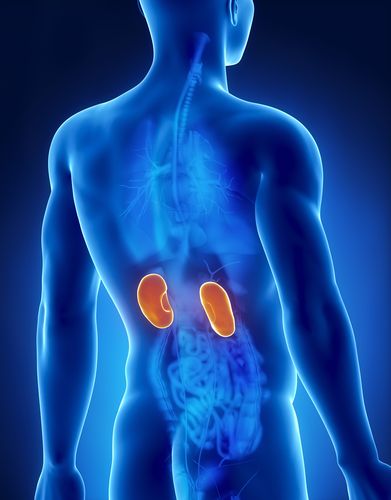
When functioning normally, the kidneys act to conserve sugar. Because blood glucose is too high in diabetics, SGLT2 medications stop the kidneys from conserving glucose and allow it to pass into the urine. This is different from many other diabetic medications, which work by increasing insulin production, increasing insulin secretion, or blocking the GI system from absorbing glucose.
Diabetic ketoacidosis has been linked to medications in the SGLT2 inhibitor family, including:
- Invokana (canagliflozin)
- Invokamet (canagliflozin and metformin)
- Farxiga (dapagliflozin)
- Xigduo XR (dapagliflozin and metformin extended-release)
- Jardiance (empagliflozin)
- Glyxambi (empagliflozin and linagliptin)
In a Safety Communication issued by the FDA in May 2015, the agency said it was investigating reports that certain type-2 diabetes medications could cause ketoacidosis.
The FDA’s investigation reportedly came after the agency reviewed 20 adverse event reports from patients who were seriously injured or hospitalized for the condition after taking SGLT2 medications.
In the FDA’s announcement, the agency warned patients that they should seek immediate medical attention if they experience any symptoms of ketoacidosis, including:
- Difficulty breathing
- Nausea
- Vomiting
- Abdominal pain
- Confusion
- Unusual fatigue or sleepiness
If you or a loved one was diagnosed with ketoacidosis after being treated with one of these diabetes medications you may be able to recover compensation for your medical bills, pain and suffering and other losses.
In general, diabetes medication lawsuits are filed individually by each plaintiff and are not class actions.
Do YOU have a legal claim? Fill out the form on this page now for a free, immediate, and confidential case evaluation. The attorneys who work with Top Class Actions will contact you if you qualify to let you know if an individual lawsuit or class action lawsuit is best for you. Hurry — statutes of limitations may apply.
ATTORNEY ADVERTISING
Top Class Actions is a Proud Member of the American Bar Association
LEGAL INFORMATION IS NOT LEGAL ADVICE
Top Class Actions Legal Statement
©2008 – 2026 Top Class Actions® LLC
Various Trademarks held by their respective owners
This website is not intended for viewing or usage by European Union citizens.
Get Help – It’s Free
Join a Free Diabetes Medication Class Action Lawsuit Investigation
If you or a loved one suffered ketoacidosis or kidney failure after taking Invokana, Invokamet, Farxiga, Xigduo XR, Jardiance or Glyxambi, you may have a legal claim. See if you qualify to pursue compensation and join a free diabetes medication class action lawsuit investigation by submitting your information for a free case evaluation.
An attorney will contact you if you qualify to discuss the details of your potential case.
Oops! We could not locate your form.