

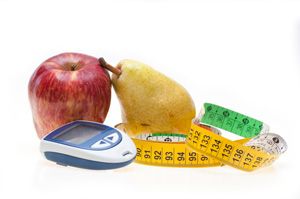
 Diabetes is the fastest-growing disease in the United States—and in many cases it is completely preventable. Start by knowing your risk factors for diabetes. These risk factors can include genetics and carrying excess weight. Even taking certain medications such as Lipitor may increase your risk of developing diabetes.
There are two types of diabetes: type-1 and type-1. People are born with type-1 diabetes, but type-2 diabetes is developed later in life. The best way to prevent type-2 diabetes is by adopting a healthy lifestyle as early as possible and avoiding medications that have been linked to diabetes.
In many cases, physicians suggest screening for type-2 diabetes for all people starting at age 30 who are considered high risk, but it’s actually a simple fasting blood test and anyone at any age can ask for screenings. Consider your age, ethnicity (some ethnic groups are more prone to diabetes than others) and family history first—these are diabetes risk factors that you can’t change. If you’re at a higher risk of diabetes because of one of these factors, it’s wise to start screenings early.
Next, consider the diabetes risk factors you can control. Those with excess weight and/or high blood pressure can take preventative measures starting today to prevent diabetes. Diet changes, exercise modifications, and the right medications to lower cholesterol and blood pressure can make a world of difference.
How to Prevent Diabetes
Just like any disease, catching it early is key. Some people are “just” pre-diabetic, placing them on the border of normal blood glucose levels and diabetic. At this point, it’s often very possible to control type-2 diabetes via diet and exercise alone. However, even those with type-2 diabetes can take control of the disease by making smart, healthy lifestyle changes under the management of their doctor.
According to the Harvard School of Public Health, when a person is overweight or obese, that’s the biggest risk factor for developing type-2 diabetes—even more so than a family history. Published inThe New England Journal of Medicine, the 16-year study revealed that routine exercise (considered at least 30 minutes per day five days a week) and a healthy diet low in sugars, fats and high in fiber can make a huge difference with diabetes prevention.
A study conducted by the Finnish Diabetes Prevention Group revealed that diet combined with weight loss and exercise has the ability to reduce the development of type-2 diabetes by 50 percent. The study included monitoring 500 overweight people who were pre-diabetic and had an “impaired oral glucose tolerance test.”
Changing eating habits and sticking with an exercise routine was truly life changing for these research participants. However, “simply” changing diet and exercise isn’t always simple for everyone. Fortunately, there are many more resources for diabetic foods and recipes than there were even a few years ago. With a variety of resources and tasty, diabetic-friendly foods on the market, following a diabetes-prevention diet can actually be delicious and doesn’t have to feel like a “diet” at all.
As for exercising, there are also more options available than ever before. Swimming, walking, Zumba, dance, CrossFit and yoga are just a few of the options at your fingertips. Switching it up and finding an exercise you actually enjoy makes things a lot easier.
Having a support system in place can give you the boost you need to make these positive changes. Generally speaking, following a diabetes-preventing diet and exercising regularly is something the whole family can benefit from, regardless of whether or not they are at risk of diabetes. Eating fewer processed sugars and fats and loading up on fiber provides a host of potential benefits in addition to diabetes prevention. Plus, leading by example is a great way to model for children healthy habits that they can carry into adulthood.
Lipitor May Increase Diabetes Risk
Unfortunately, sometimes all of the healthy dieting and exercise in the world can’t stop type-2 diabetes—especially when it’s caused by a medication. For example, Lipitor is a cholesterol-lowering medication that has been linked to the development of permanent type-2 diabetes. Even worse, high cholesterol is a risk factor for causing type-2 diabetes itself, so it’s a Catch-22.
While some medications can help the prevention of diabetes, with the National Institutes of Health (NIH) noting that some diabetes medications can prevent the development of the disease in those who are pre-diabetic by up to 31 percent, not all drugs are created equally. And some don’t have adequate warning labels.
Lipitor has been shown in studies to increase the risk of type-2 diabetes in women over the age of 50. These potential Lipitor side effects were not properly listed on the packaging, according to the many victims who have filed Lipitor lawsuits. These patients thought they were making smart choices in protecting their health, but instead developed type-2 diabetes.
In general, Lipitor lawsuits are filed individually by each plaintiff and are not class actions.
Do YOU have a legal claim? Fill out the form on this page now for a free, immediate, and confidential case evaluation. The attorneys who work with Top Class Actions will contact you if you qualify to let you know if an individual lawsuit or class action lawsuit is best for you. Hurry — statutes of limitations may apply.
ATTORNEY ADVERTISING
Top Class Actions is a Proud Member of the American Bar Association
LEGAL INFORMATION IS NOT LEGAL ADVICE
Top Class Actions Legal Statement
©2008 – 2026 Top Class Actions® LLC
Various Trademarks held by their respective owners
This website is not intended for viewing or usage by European Union citizens.
Get Help – It’s Free
Join a Free Lipitor Class Action Lawsuit Investigation
If you’re a woman who was diagnosed with type-2 diabetes while taking Lipitor, or were diagnosed with diabetes within 90 days or less of your last dose of Lipitor, you may be eligible for compensation. See if you qualify by filling out the short form below.
An attorney will contact you if you qualify to discuss the details of your potential case at no charge to you.
Oops! We could not locate your form.











