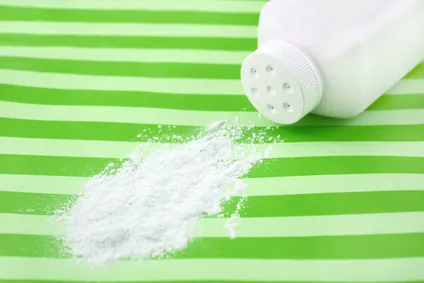
 According to news reports and research studies, talcum powder (or talc powder) has been linked to the development of certain types of cancer. In some cases, the use of baby powder—which is comprised of talc powder—for feminine hygiene has allegedly caused women to develop ovarian cancer.
Talc is a naturally occurring mineral mostly comprised of magnesium, silicon, and oxygen. When talc is mined, it comes loose in powder form, which is excellent for absorbing moisture and reducing friction when applied to skin, thus keeping the area dry and preventing rashes.
Some talc naturally contains asbestos, a known carcinogenic substance that when inhaled can cause cancer in a person’s lungs or lung lining. The United States government and other regulatory bodies have been restricting the use of asbestos since the 1970s, and since that time all talcum powder products produced and sold within the U.S. have been asbestos-free. However, researchers are now questioning whether asbestos-free talc may still cause cancer.
Can Talc Powder Cause Cancer?
It is generally accepted by scientists and the medical community that talcum powder containing asbestos can cause cancer when inhaled. Individuals who sustain long-term exposure to talc fibers on the job, like talc miners who are likely to inhale asbestos-containing talc, may thus have an increased risk of developing lung cancer or cancer of the lung lining.
Asbestos-free talc, however, which is widely used in various home products like baby powder, may also have the ability to cause cancer. Animal lab studies have shown that some animals, including rats, mice, and hamsters, have exhibited tumor growth when exposed to asbestos-free talc. Others animals exposed to talc did not grow tumors, meaning the results are inconclusive. In addition to animal studies, researchers have looked at the risks of non-asbestos talc use in humans, with conflicting results
Baby Powder Cancer Research
Some researchers have suggested that when applied to a woman’s genital area—either directly or by being present on sanitary napkins, diaphragms, and condoms—talcum powder particles can travel through the vagina, uterus, and fallopian tubes and eventually become lodged in the ovaries.
Researchers have performed studies to test this hypothesis, with mixed results. Some research has found a slightly increased risk of developing ovarian cancer after using asbestos-free talcum powder, while other studies have detected no increase at all. However, many of these studies rely on patients self-reporting their use of baby powder or talcum powder from several years ago, which can cause biased results due to possibly faulty memories.
According to Cancer.org, two prospective cohort studies have not found an increase of ovarian cancer because of the use of talcum powder; these cohort studies are conducted in such a way that rules out the potential bias of previous studies.
Despite these conflicting results, it is clear that continued study into talcum powder’s possible cancer-causing effects is needed, especially because the mineral is so widely used in makeup, body care, and household products.
Do YOU have a legal claim? Fill out the form on this page now for a free, immediate, and confidential case evaluation. The attorneys who work with Top Class Actions will contact you if you qualify to let you know if an individual lawsuit or class action lawsuit is best for you. [In general, baby powder cancer lawsuits are filed individually by each plaintiff and are not class actions.] Hurry — statutes of limitations may apply.
ATTORNEY ADVERTISING
Top Class Actions is a Proud Member of the American Bar Association
LEGAL INFORMATION IS NOT LEGAL ADVICE
Top Class Actions Legal Statement
©2008 – 2026 Top Class Actions® LLC
Various Trademarks held by their respective owners
This website is not intended for viewing or usage by European Union citizens.
Get Help – It’s Free
Join a Free Baby Powder Cancer Class Action Lawsuit Investigation
If you used Johnson’s Baby Powder, Shower to Shower, or another talcum powder product and were diagnosed with ovarian cancer, you may have a legal claim. Family members of loved ones who died of ovarian cancer can also join. Submit your information now for a free case evaluation.
An attorney will contact you if you qualify to discuss the details of your potential case at no charge to you.