

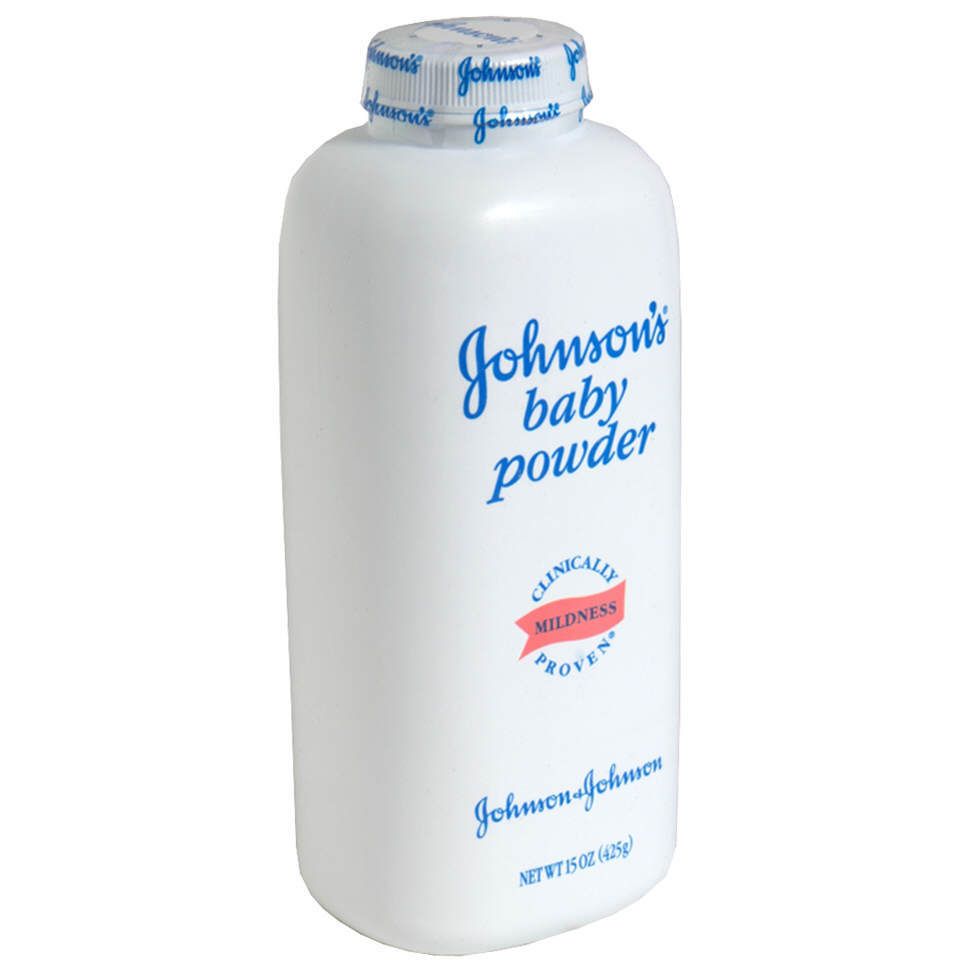
 A product supposedly safe enough for use on babies has actually been shown in numerous studies to be linked to a serious cancer in women. Ovarian cancer has been reported by women who have regularly used baby powder as part of their beauty routine.
Johnson & Johnson first introduced their famous baby powder in 1893 and it has been a staple in many households. While it was initially marketed to help infants stay dry and protected from redness and chafing caused by diaper rash, women began to use baby for their own personal hygiene. Women began applying baby powder to their genital area or lightly dusted the inside of their underwear to absorb moisture and odor.
To parallel the use of baby powder by women, Johnson & Johnson created a product marketed specifically for that demographic and Shower to Shower body powder was born. In 2012, Valeant Pharmaceuticals acquired Shower to Shower and has marketed the product since.
Concern Over Baby Powder Ingredient
While some baby powders use corn starch as their base, the ingredient linked to cancer is found in talc-based baby powders. Talc is a mineral made up of the elements magnesium, silicon and oxygen. It is made into a powder and is used in applications to absorb moisture and reduce friction, which is why it was used in baby care to help with diapering concerns. Talc is also used in paints, ceramics, cosmetics and in anti-mold agents used in the wood and textile industries.
Talcum powder, once applied to the genital area, can travel into the body cavity, causing internal inflammation, and in some cases, ovarian cancer. Studies have shown that women who use talcum baby powder in their genital area during their daily beauty routine have an increased risk of ovarian cancer that is between 24 and 30 percent. Millions of women are at increased risk, as it has been reported that 40 percent of women use talcum powder regularly. Many are unaware of their increased odds of developing ovarian cancer.
History of Baby Powder Ovarian Cancer Concerns
In 1971, researchers in the United Kingdom studied 13 ovarian tumors, and found that 10 of the tumors contained talc “deeply embedded” in the mass. A decade later, the first study was published that showed the link between ovarian cancer and genital talc application. Over the next three decades, 20 more studies also showed an increased ovarian cancer risk. In 2006, the International Agency of Research on Cancer, a division of the World Health Organization classified talc as “possibly carcinogenic to human beings.”
Johnson & Johnson Baby Powder Lawsuits
In 2013, a jury found Johnson & Johnson guilty in a baby powder lawsuit filed by a woman with ovarian cancer. Though the ruling was in the plaintiff’s favor, she was not awarded any damages. As of 2015, there are over 700 claims by women with ovarian cancer who attribute their disease to the use of Johnson’s Baby Powder and Shower to Shower. Baby powder class action lawsuits are also being investigated.
If you or a loved one have been diagnosed with ovarian cancer and have a history of baby powder use, you may have a legal claim.
Do YOU have a legal claim? Fill out the form on this page now for a free, immediate, and confidential case evaluation. The attorneys who work with Top Class Actions will contact you if you qualify to let you know if an individual lawsuit or class action lawsuit is best for you. [In general, baby powder cancer lawsuits are filed individually by each plaintiff and are not class actions.] Hurry — statutes of limitations may apply.
ATTORNEY ADVERTISING
Top Class Actions is a Proud Member of the American Bar Association
LEGAL INFORMATION IS NOT LEGAL ADVICE
Top Class Actions Legal Statement
©2008 – 2026 Top Class Actions® LLC
Various Trademarks held by their respective owners
This website is not intended for viewing or usage by European Union citizens.
Get Help – It’s Free
Join a Free Baby Powder Cancer Class Action Lawsuit Investigation
If you used Johnson’s Baby Powder, Shower to Shower, or another talcum powder product and were diagnosed with ovarian cancer, you may have a legal claim. Family members of loved ones who died of ovarian cancer can also join. Submit your information now for a free case evaluation.
An attorney will contact you if you qualify to discuss the details of your potential case at no charge to you.











