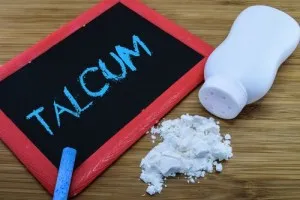
 Three baby powder cancer lawsuits were sent back to a Missouri state court by a federal judge who determined that was the appropriate venue for the cases.
The baby powder cancer lawsuits, which similarly allege that women using talcum powder for personal hygiene developed ovarian cancer, involve a total of 237 women.
U.S. District Judge Catherine Perry rejected defendant Johnson & Johnson’s argument that the talcum powder lawsuits be heard together in federal court. She also noted that the lawsuits were only being grouped together by the plaintiffs for pre-trial proceedings.
Baby powder cancer studies
For decades, observational studies have shown the possibility that regular use of talc-based baby powder can increase the likelihood that women develop ovarian cancer. Talc can embed in a woman’s ovaries and after many years and, like asbestos-related cancers, reveal itself once the cancer is already far along.
As far back as the 1970s, researchers found talc particles in the majority of ovarian cancer tissues. Talc is a mineral related to asbestos and other silica-based minerals, which have been linked to inflammation and cancers.
However, it wasn’t until the past couple of years that consumers began filing lawsuits. Most baby powder lawsuits are working their way through state courts in Missouri or New Jersey.
Despite evidence that baby powder containing talcum powder could lead to cancer, some companies have marketed products containing talcum powder specifically for use on the genitals.
Baby powder cancer lawsuits
Baby powder ovarian cancer lawsuits allege that the makers of baby powder products failed to adequately protect the public from the risk of ovarian cancer.
While the filing of these baby powder cancer lawsuits is relatively recent, many cases are pending in both state and federal courts.
Group lawsuits like baby powder class action lawsuits are designed to help streamline the legal system by grouping similar complaints together. However, there are strict rules regulating when a group lawsuit can be filed and how they should proceed, to prevent abuse of this process.
Do YOU have a legal claim? Fill out the form on this page now for a free, immediate, and confidential case evaluation. The attorneys who work with Top Class Actions will contact you if you qualify to let you know if an individual lawsuit or class action lawsuit is best for you. [In general, baby powder cancer lawsuits are filed individually by each plaintiff and are not class actions.] Hurry — statutes of limitations may apply.
ATTORNEY ADVERTISING
Top Class Actions is a Proud Member of the American Bar Association
LEGAL INFORMATION IS NOT LEGAL ADVICE
Top Class Actions Legal Statement
©2008 – 2026 Top Class Actions® LLC
Various Trademarks held by their respective owners
This website is not intended for viewing or usage by European Union citizens.
Get Help – It’s Free
Join a Free Baby Powder Cancer Class Action Lawsuit Investigation
If you used Johnson’s Baby Powder, Shower to Shower, or another talcum powder product and were diagnosed with ovarian cancer, you may have a legal claim. Family members of loved ones who died of ovarian cancer can also join. Submit your information now for a free case evaluation.
An attorney will contact you if you qualify to discuss the details of your potential case at no charge to you.