

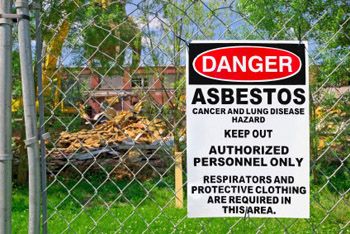
 Oklahoma firefighters were recently exposed to asbestos after responding to a elementary school fire in Oklahoma City.
The cause of the fire is unknown but authorities found a large pile of trash on fire in the school’s basement.
When the firefighters discovered asbestos, a hazardous materials unit was called in to decontaminate all crew members who were exposed to the dangerous material.
Occupational Asbestos Risks
There are more than one million firefighters in the U.S. that become first responders to put out fires. However, both career and volunteer firefighters also respond to emergency situations including car accidents or to homes in order to help individuals suffering from choking, difficulty breathing, or heart attacks.
Firefighters are often exposed to asbestos when they are in the process of containing a burning building that was constructed with asbestos. Asbestos fibers become airborne and while firefighters often wear masks, they are not required to do so if the fire danger is immediate. By not wearing a mask, firefighters place themselves at an even greater risk for developing asbestos lung cancer.
Asbestos-containing parts that have the potential to catch on fire include pipe insulation, roofing materials, cement, vinyl, duct insulation, furnace door gaskets, and ceiling tiles. However, some firefighters are also at risk for asbestos exposure due to daily exposure to the material present in some older fire stations.
Firefighters are often required to work 24 hour shifts in which they eat, sleep, and remain on-call within a fire station. Many buildings constructed prior to the 1980s contain large amount of asbestos-containing products so if fire stations were not properly renovated, firefighters who spend large amount of time within an older fire station can be further exposed to asbestos fibers.
Besides firefighters, there are other professions that place workers at a high risk for asbestos exposure including: auto mechanics, shipyard workers, paper mill workers, construction workers, textile workers, insulation installers, sheet metal workers, roofers and tilers.
These professionals inadvertently inhale asbestos fibers while working with the material. Once airborne, asbestos fibers can be impossible to avoid since they are about 700 times smaller than a human fiber. The tiny, jagged asbestos fibers then build up inside the lungs or abdomen and over time can cause cancerous development in cells.
Asbestos, Mesothelioma and Lung Cancer
Asbestos can cause two different cancers to develop from inhalation: mesothelioma and lung cancer. While lung cancer affects the lung tissue, mesothelioma develops in the lining of the lungs or other organs.
Asbestos mesothelioma takes anywhere between 15 to 35 years to develop after first exposure and it is almost always at a later stage of development when diagnosed.
There are many theories as to how asbestos fibers lodged inside lungs eventually develop into the fast spreading mesothelioma cancer. The most common belief is that asbestos damages the cell’s natural shield against cancer. With asbestos fibers blocking this ability, cancerous cells begin to divide and spread leaving tumors in their destructive path.
Asbestos mesothelioma and asbestos lung cancer symptoms often overlap and include:
- Shortness of breath
- Chest pain
- Fatigue
- Retaining fluids
- Cough
- Abdominal swelling
Asbestos Cancer Lawsuits
The number of asbestos mesothelioma lawsuits continues to grow in one of the largest litigation movements in U.S. history. Workers who developed asbestos lung cancer or asbestos mesothelioma due to repeated exposure often file an asbestos lawsuit against their former employer along with manufacturers of building materials and supplies containing asbestos alleging failure to warn.
Most plaintiffs file an individual an asbestos mesothelioma or lung cancer lawsuit to seek damages from companies who may have intentionally exposed their workers to asbestos yet did not fully explain the risks involved.
Do YOU have a legal claim? Fill out the form on this page now for a free, immediate, and confidential case evaluation. The attorneys who work with Top Class Actions will contact you if you qualify to let you know if an individual asbestos lawsuit or asbestos class action lawsuit is best for you. [In general, asbestos lung cancer lawsuits are filed individually by each plaintiff and are not class actions.] Hurry — statutes of limitations may apply.
ATTORNEY ADVERTISING
Top Class Actions is a Proud Member of the American Bar Association
LEGAL INFORMATION IS NOT LEGAL ADVICE
Top Class Actions Legal Statement
©2008 – 2026 Top Class Actions® LLC
Various Trademarks held by their respective owners
This website is not intended for viewing or usage by European Union citizens.
Get Help – It’s Free
Join a Free Asbestos Lung Cancer Class Action Lawsuit Investigation
If you or a loved one were exposed to asbestos and developed mesothelioma, lung cancer, or cancer in the lining of the lungs, abdomen or chest cavity, you may be able to take legal action against the companies responsible. Don’t delay – in most states the statute of limitations is two years to file an asbestos lawsuit after you’re diagnosed. Obtain a free and confidential case evaluation be filling out the form below.
An attorney will contact you if you qualify to discuss the details of your potential case at no charge to you.











