Woman Sues Over 20 Pelvic Mesh Manufacturers for Severe Injuries
By Robert J. Boumis
 Pennsylvania resident Sally Weakland is suing the manufacturers of her pelvic mesh implants, alleging she suffered significant mental and physical pain due to permanent injuries and deformities caused by their products. Weakland is suing over 20 defendants, including Covidien Inc., Ethicon Inc., Gynecare, Johnson & Johnson, American Medical Systems Inc., C.R. Bard Inc., Boston Scientific Corp., Coloplast Corp. Mentor Worldwide, and more
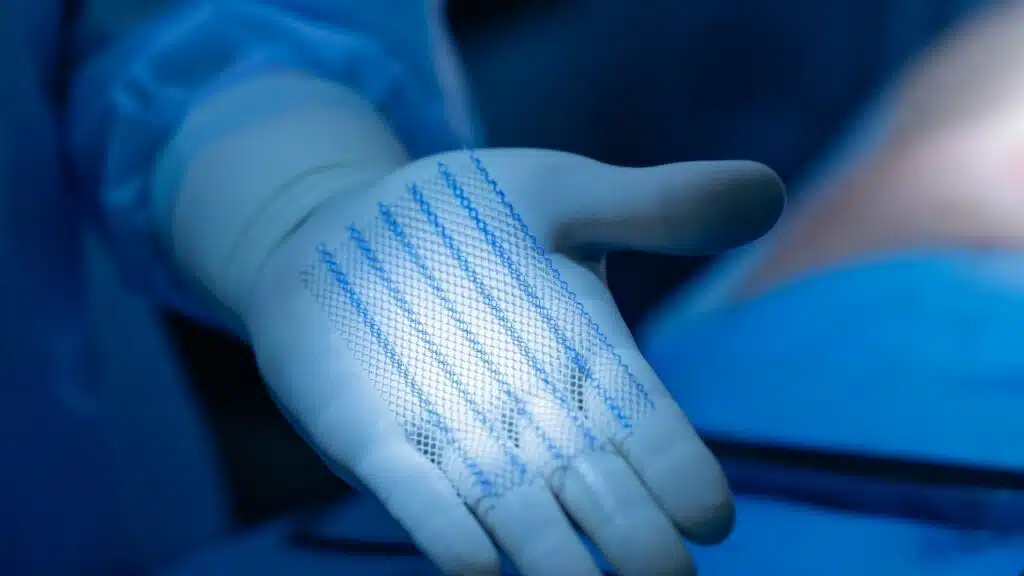
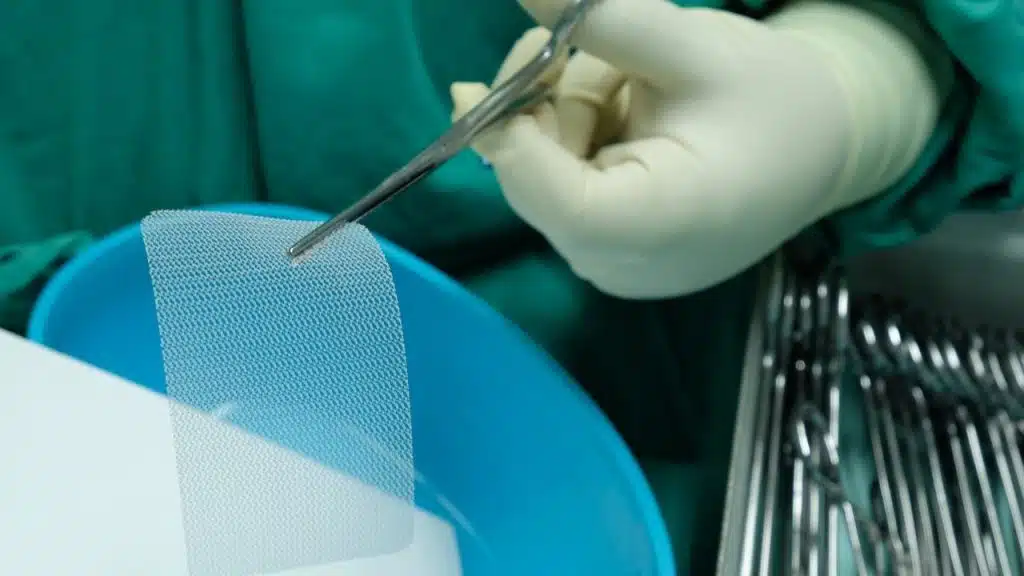
Weakland received multiple pelvic mesh products to repair her pelvic organ prolapse (POP) and stress incontinence, conditions caused by weakened vaginal walls that allow the pelvic organs like the uterus or bladder to fall out of position. Pelvic mesh – also known as vaginal mesh or transvaginal mesh — is a specific type of surgical mesh that was designed to provide support for these organs. Transvaginal mesh was first marketed in the 1990s, developed from more general surgical mesh that first found use in the 1970s.
After receiving the transvaginal mesh implants, Weakland went on to suffer from serious complications, including serious pain and permanent injuries. The complications were so severe that it required surgical intervention to remove the offending implants, according to the lawsuit. Weakland says she’s suffered from medical costs due to the complications, as well as economic loss and future lost wages. The vaginal mesh lawsuit asserts that some of the damage from the mesh was permanent.
Weakland alleges in the vaginal mesh lawsuit that the pelvic mesh used in her implants was inadequately tested. Since transvaginal mesh was derived from an existing medical product – surgical mesh – it was able to bypass several testing phases before hitting the market.
The vaginal mesh lawsuit alleges the defendants suppressed information about the higher failure rate of their products compared to alternative procedures, including information gleamed from their “limited” testing.
Additionally, the lawsuit alleges that the defendants never developed a procedure for removing the mesh should complications occur, thereby complicating surgeries to remove the mesh if problems arose. According to the lawsuit, this prevented patients and health care professionals from having all of the information they needed to make informed decisions regarding their medical care. In fact, the lawsuit asserts that Weakland and her physicians would have never used transvaginal mesh to treat her conditions if they been aware of their serious risks compared to alternate medical options.
Weakland asserts that these actions amount to fraud, negligence and unjust enrichment – gaining money by illegal or unethical means.
The transvaginal mesh lawsuit is Sally Weakland s. Covidien, Inc., et al., Case No. 2:13-cv-21587, United States District Court, Western District of Pennsylvania.
Obtain a Free Vaginal Mesh Lawsuit Review
If you or someone you care about received a pelvic mesh implant and suffered from complications, you undoubtedly have experienced a stressful ordeal. Complications resulting from vaginal mesh can cause devastating pain. It can require multiple surgeries to remove the offending mesh – and in some cases the mesh becomes so embedded that surgical removal is no longer an option. Some cases have alleged lifelong damage from surgical mesh implants.
However, you need to remember that whatever burdens you face, you still have rights, and there are steps you can take to regain a measure of control over your situation. You can start by visiting the Transvaginal Mesh, Vaginal Sling, Vaginal Mesh and Bladder Sling Class Action to learn more about your rights and obtain a free review of your case.
All medical device, dangerous drug and medical class action and lawsuit news updates are listed in the Drug and Medical Device section of Top Class Actions.
Top Class Actions Legal Statement