Reports of Vaginal Mesh Problems Continue to Plague FDA, Manufacturers
By Christina Drury
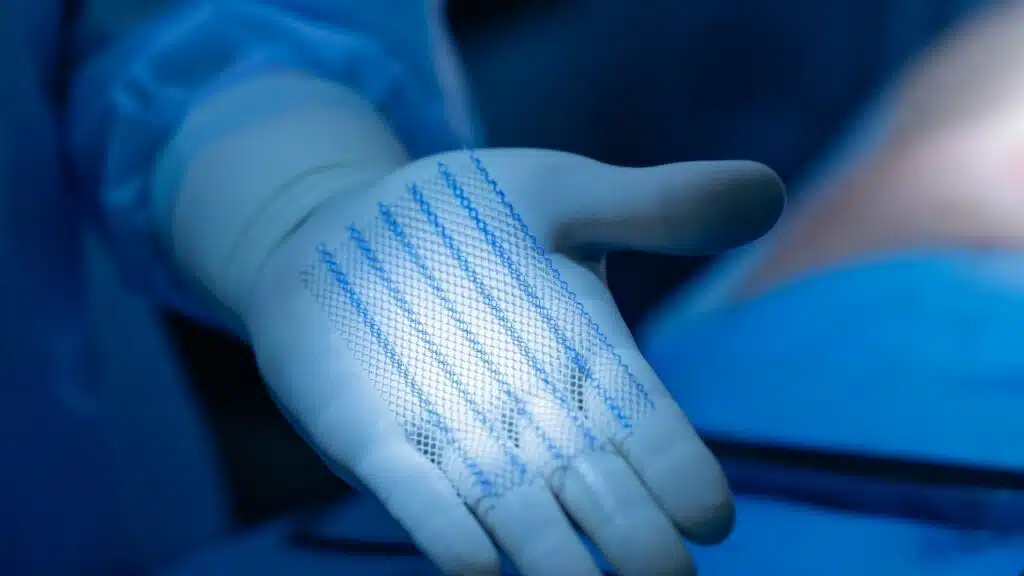
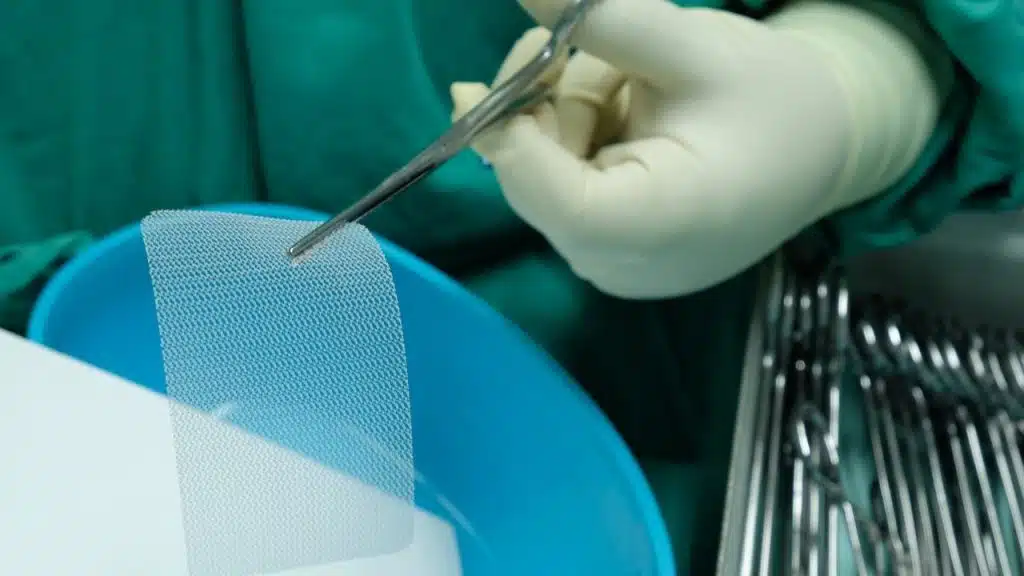
 Vaginal mesh, initially approved by the U.S. Food and Drug Administration (FDA) in 2005, is a synthetic mesh that is designed to prevent a woman’s pelvic organs from dropping into the vaginal area. While designed to be helpful in treating Pelvic Organ Prolapse (POP) and urinary incontinence, some women got more than they bargained for with the vaginal mesh implant. Hundreds of vaginal mesh lawsuits have been filed by women suffering side effects like chronic pain, vaginal bleeding and the inability to indulge in intercourse. One woman has recently made the allegation that it took her 18 surgical procedures to rectify the damage caused by Johnson and Johnson’s Gynecare Prolift implant.
Removal of Vaginal Mesh Proves Challenging
Originally used to treat hernia problems, vaginal mesh came to be recommended for the treatment of POP and Stress Urinary Incontinence (SUI) when medical practitioners were in search for a less invasive procedure to repair these conditions. Not only did this open up a lucrative market for manufacturers such as Bard Avaulta, it also contributed to an increasing number of lawsuits being filed against these manufacturers after vaginal mesh side effects were experienced.
Instances of mesh erosion, chronic vaginal pain and bleeding have been some of the major vaginal mesh side effects that have thousands of women in utter discomfort. The removal of the synthetic mesh has been compared to the removal of the reinforcing steel bars from cement. This is a painful procedure to endure that undoubtedly leaves a telling impact on the woman’s health and life. The physical, emotional and financial stress caused by vaginal mesh side effects has invariably affected the lifestyle of most of these women.
The recent comments of a victim, Linda Gross, that appeared on Bloomberg News and in the Time of Trenton has served to highlight the negative impacts of having a vaginal mesh implant. Linda claimed that she had to forego her profession as a nurse because the pain resulting from the vaginal mesh implant was unbearable.
Lack of Action On Part of FDA
Although the U.S. Food and Drug Administration (FDA) has been aware of the negative implication associated with these implants, they have not taken stern actions against manufacturers to relieve potential vaginal mesh victims of their distress. The FDA was of the opinion that the Bard Avaulta mesh was not the safest and most appropriate measure to treat POP and SUI, but yet refused to take the product off the market.
Vaginal Mesh Lawsuits Still Being Filed
Because vaginal mesh is still widely used, vaginal mesh side effects are still being reported. As a result, those who have suffered injuries and adverse problems are filing lawsuits against the various manufacturers. If you have been injured by the use of vaginal mesh, there is help available for you, too. Visit our Transvaginal Mesh, Vaginal Sling, Vaginal Mesh and Bladder Sling Class Action Lawsuit Investigation page to get more information on the ongoing litigations or to submit your personal contact information to attorneys diligently working on vaginal mesh lawsuits and claims.
Updated January 25th, 2013
All medical device, dangerous drug and medical class action and lawsuit news updates are listed in the Drug and Medical Device section of Top Class Actions.
Top Class Actions Legal Statement