Philadelphia Mother Sues for Losing Unborn Son from Paxil
By Amanda Antell
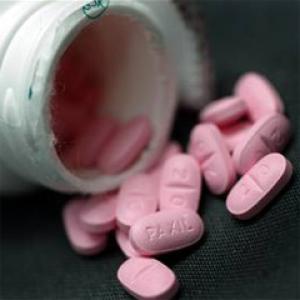 Philadelphia resident Joanne Thomas is suing GlaxoSmithKline (GSK), alleging that the company’s drug Paxil was responsible for the death of her unborn baby. Thomas is also arguing for recognition of this case being previously dismissed due to an improper statute of limitations.
Thomas’ birth defect lawyer is focusing the prosecution on the period of time between the fetus’s time of conception and death.
According to court documents, GSK testified against the Paxil lawsuit, stating that in one medical document, the baby’s gestational age was 21 ½ weeks when Thomas chose to therapeutically abort him, on account of a heart defect. Thomas argues that a separate echocardiogram had been taken three days before the fetus death, and the recorded date had shown the fetus to be 22 ½ weeks old at the time.
Furthermore, Thomas’s lawyer argued that 23 weeks threshold cited by GSK was not a hard-and-fast line, but could vary by the scientific technology available. This means that while 23 weeks is considered the standard fetal liability, there was enough ambiguity in the case to reexamine the evidence.
Lawyers for GSK obviously argue that, regardless of which documentation is correct, the fetus was not 23 weeks at the time, which is when fetal liability begins in Pennsylvania. The prosecution argues that not only was the fetus of appropriate age, the company is directly responsible for the death in concealing vital information about the drug, and the mother had not reached the stature of limitations in filing this wrongful death lawsuit. GSK had concealed the risks of Paxil birth defects until 2005, which was after the death of her son in 2001; this concealment allegedly delayed her investigation.
Both parties have agreed to argue the Paxil birth defect lawsuit on an expedited basis based on the ambiguous and rushed nature of the case.
Paxil Birth Defect Studies
Studies have found that babies who are prenatally exposed to Paxil are exposed to many life-threatening birth defects, including:
- Persistent Pulmonary Hypertension of the Newborn: 6x increased risk
- Anencephaly: 2.5x increased risk
- Clubfoot: 5x increased risk
- Craniosynostosis: 2.5x increased risk
- Omphalocele: Nearly tripled risk
- Gastroschisis: 30% increased risk
- Pulmonary Atresia: 3x increased risk
- Spina Bifida: 60% increased risk
- Diaphragmatic Hernia: 80% increased risk
- Anal and Esophagal Atresia: 30% increased risk
- Heart Defects: Nearly doubled risk
In December 2005, the FDA required Paxil to update its label because various studies at the time showed that women who use Paxil and other drugs within Paxil’s drug family during the early stages of pregnancy have an increased risk of having a baby born with a heart defect.
File Your Own Paxil Birth Defect lawsuit
Hundreds of people across America have sued GSK for misrepresenting their products, and placing hundreds of infants and unborn fetuses at risk for birth defects.
If you believe that you or a loved one has been the victim of an SSRI birth defect, you have legal options. Please visit the Zoloft, Paxil, Celexa, Lexapro & Prozac SSRI Antidepressant Birth Defect Class Action Lawsuit Investigation. There, you can submit your claim for a free legal review and if it qualifies for legal action, a seasoned SSRI birth defect lawyer will contact you for a free, no-obligation consultation. You will be guided through the litigation process at no out-of-pocket expenses or hidden fees. The birth defect attorneys working this investigation do not get paid until you do.
Updated July 4th, 2013
All medical device, dangerous drug and medical class action and lawsuit news updates are listed in the Drug and Medical Device section of Top Class Actions.
Top Class Actions Legal Statement