Husband and Wife Team Up Against Vaginal Mesh Makers
By Jessica Tyner
 Implants made out of transvaginal mesh are designed to help women with pelvic organ prolapse (POP) and incontinence, but according to thousands of vaginal mesh lawsuits, they have caused more serious injuries than the ones they were designed to treat.
On August 30, 2013, Barbara Heffner and her husband, Andrew Heffner, became the latest couple to file a vaginal mesh lawsuit. The Ohio couple filed their vaginal mesh lawsuit in the North District of Ohio, claiming that three companies are at fault for their pain and suffering: Ethicon Inc., Ethicon LLC and Johnson & Johnson.
By joining multidistrict litigation (MDL) against the companies, the Heffners can take advantage of a faster resolution but still get an individual trial by jury. Vaginal mesh MDLs are welcoming new people every month as more vaginal mesh victims become aware that they deserve compensation.
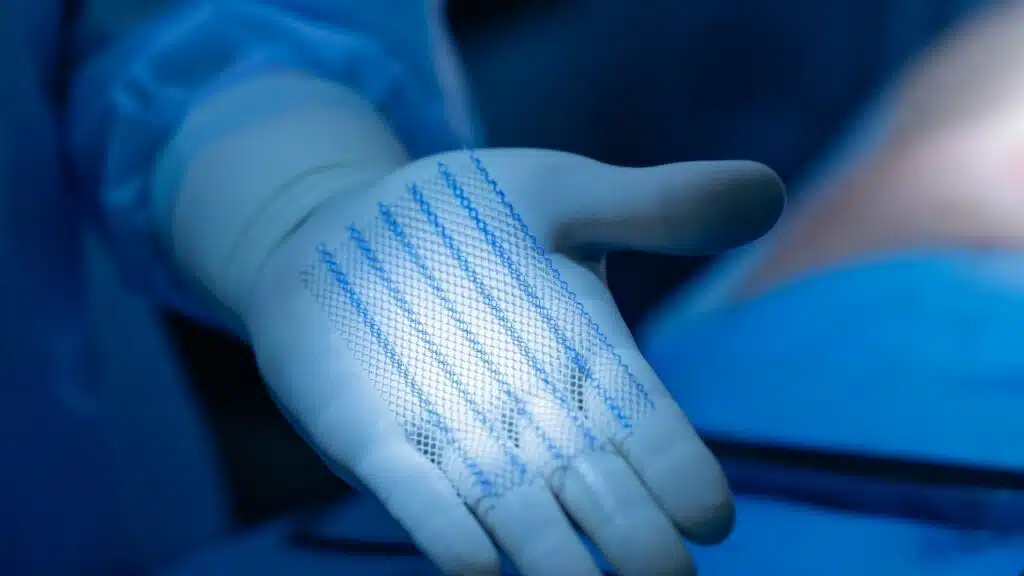
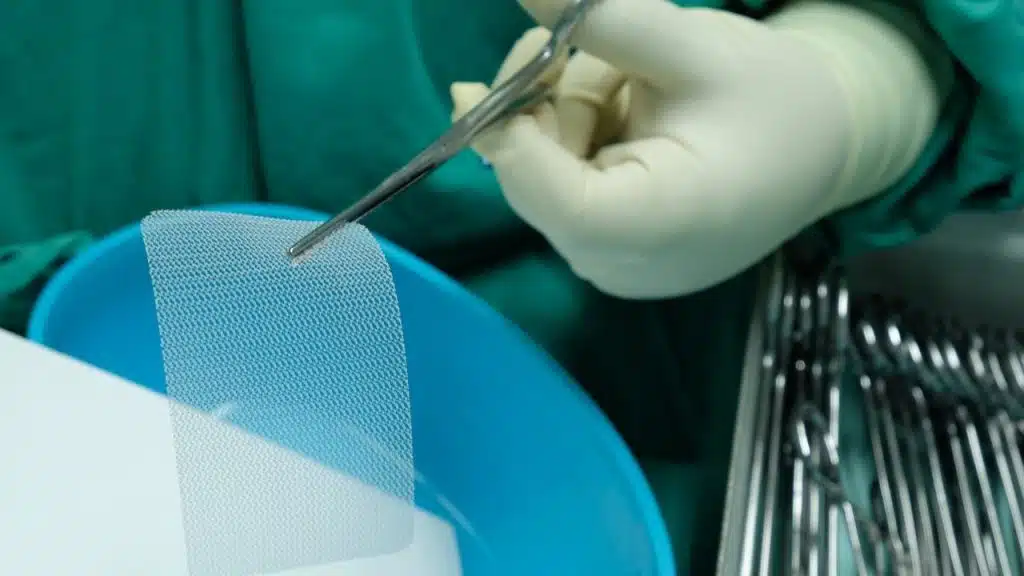
In the Heffner’s case, the TVT-Abbrevo is the device they claim is faulty. Vaginal mesh implants like the TVT-Abbrevo often utilize metal components similar to chicken wire, and it’s easy to imagine just what that kind of device can do when embedded near soft tissues and organs. Sometimes they eat through the tissue or organs — sometimes causing immense pain, but sometimes causing no outward symptoms at all. The latter condition is often the most dangerous because women don’t realize what’s happening.
Removing the embedded vaginal mesh is difficult at best, and sometimes pieces remain in the women. Incredible scarring can occur, which is what can lead to infertility and painful sexual intercourse.
The Vaginal Mesh Lawsuit Claims
Barbara had her vaginal mesh implanted on March 28, 2011, after being told that it would be an effective way to manage POP and incontinence. Both of these ailments are annoying and embarrassing, but what woman would think it’s worth risking her comfort, fertility and sex life? Her device was implanted by a reputable surgeon, who was not aware of the true risks of transvaginal mesh, the lawsuit says. That’s because doctors and patients depend on accurate warning labels by medical device makers. According to the Heffner’s vaginal mesh lawsuit, the warnings are simply inadequate.
The couple joins a host of other women and spouses who learned too late just what the risks of transvaginal mesh may entail.
Specifically, the Heffners are suing the vaginal mesh makers for negligence, manufacturing defect, failure to warn, defective product, design defect, common law fraud, fraudulent concealment, constructive fraud, negligent misrepresentation, negligent infliction of emotional distress, breach of warranty, violation of consumer protection laws, gross negligence, unjust enrichment, loss of consortium, punitive damages, and discovery rule and tolling.
Banding together, this husband and wife team have the support of each other, too. Other vaginal mesh sufferers aren’t so lucky. There are stories of divorces stemming solely from these defective implants. A loss of intimacy is something a lot of marriages can’t withstand.
They filed their lawsuit directly into the Ethicon vaginal mesh MDL, called In Re: Ethicon Inc., Pelvic Repair System Products Liability Litigation, MDL No. 2327, in the United States District Court for the Southern District of West Virginia.
Were You Injured by Vaginal Mesh?
Were you told that a vaginal mesh implant was a good choice, and then suffered complications? If this happened to you or your spouse, you may be eligible for a vaginal mesh legal claim. Find out more at the Transvaginal Mesh, Vaginal Sling, Vaginal Mesh and Bladder Sling Class Action Lawsuit Investigation site today. You’ll get a chance to submit your information, and an attorney will contact you if you have a case for a free vaginal mesh claim review.
All medical device, dangerous drug and medical class action and lawsuit news updates are listed in the Drug and Medical Device section of Top Class Actions.
Top Class Actions Legal Statement