

FDA Requires SJS Warning for Acetaminophen Products
By Amanda Antell
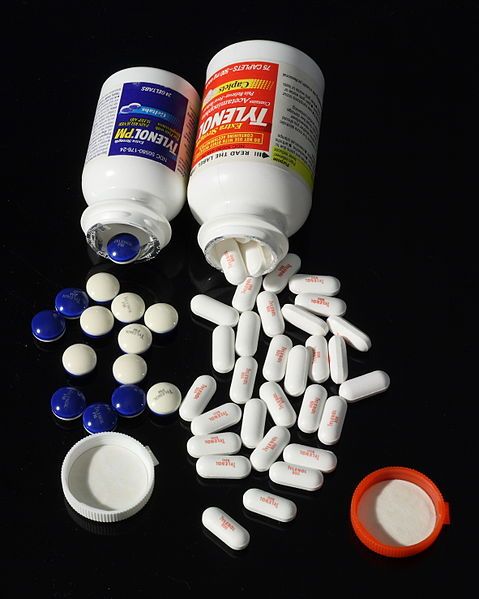 The FDA recently announced that Tylenol and other painkillers containing acetaminophen can potentially trigger deadly allergic reactions called Stevens Johnson Syndrome (SJS) and toxic epidermal necrolysis (TEN). Both conditions can be fatal if left untreated. These conditions typically begin with a rash and flu-like symptoms, followed by severe blistering and skin detachment.
Additionally, the FDA will also request that other companies who sell over-the-counter acetaminophen products, other than oral medication, add the SJS warning to their label.
Overview of Stevens Johnson Syndrome Complications
Until recently, it was unclear as to whether or not Stevens Johnson Syndrome and toxic epidermal necrolysis were offset by medicine or not. Now, it is the general scientific consensus that SJS and TEN are caused the medications based on the speed and severity of the patient’s conditions. Both conditions are characterized by purple blistering around the body, with SJS covering between 10% and 30% of the body’s surface area, while TEN can cover up to 90%.
It is important to note that TEN is a latent form of SJS, which typically occurs when the condition spreads at a more rapid pace than a normal offset on the patient. If a patient were to get Stevens Johnson Syndrome, it would be within the first two to four weeks of starting the medication. As of now, it is unknown by most medical experts what causes SJS to occur in some patients, but it is suspected that it has to do with various drug combinations and chemical imbalances.
In just several weeks, this condition can turn from minor to deadly, with the SJS rashes causing blindness, severe infection, and fever. Due to the nature of SJS symptoms, patients who have this condition are typically treated in the burn unit of the hospital; their skin literally sloughs off in some cases. Skin grafts and other surgical interferences are often required to treat either condition.
Stevens Johnson Syndrome Lawsuits Grow
The reason why Stevens Johnson Syndrome has become a legal concern as well as medical a concern is because most drug companies, including Johnson & Johnson, do not include SJS or severe skin reactions as a possible side effect on the drug warning label. This has led to various lawsuits, investigations, and other complications.
So to remedy this situation, Johnson & Johnson and other generic acetaminophen manufacturers are now including SJS as a possible side effect on their warning label.
There are approximately 300 cases of Stevens Johnson Syndrome diagnosed per year.
File a Tylenol SJS Lawsuit Today
If you believe that you or a loved one has been the victim of a Tylenol SJS injury, you have legal options. Please visit the Tylenol Liver Damage Steven Johnson Syndrome Lawsuit Class Action Lawsuit Investigation. There, you can submit your claim for a free legal review and if it qualifies for legal action, a seasoned Tylenol SJS lawyer will contact you for a free, no-obligation consultation. You will be guided through the litigation process at no out-of-pocket expenses or hidden fees. The Tylenol SJS lawyers working this investigation do not get paid until you do.
All medical device, dangerous drug and medical class action and lawsuit news updates are listed in the Drug and Medical Device section of Top Class Actions.
Top Class Actions Legal Statement

FACTA lawsuit investigation: Check your paper receipts for credit card privacy violations
November 6, 2026 | Legal News




One thought on FDA Requires SJS Warning for Acetaminophen Products
1817 w 1st
Corsicana tx 75110