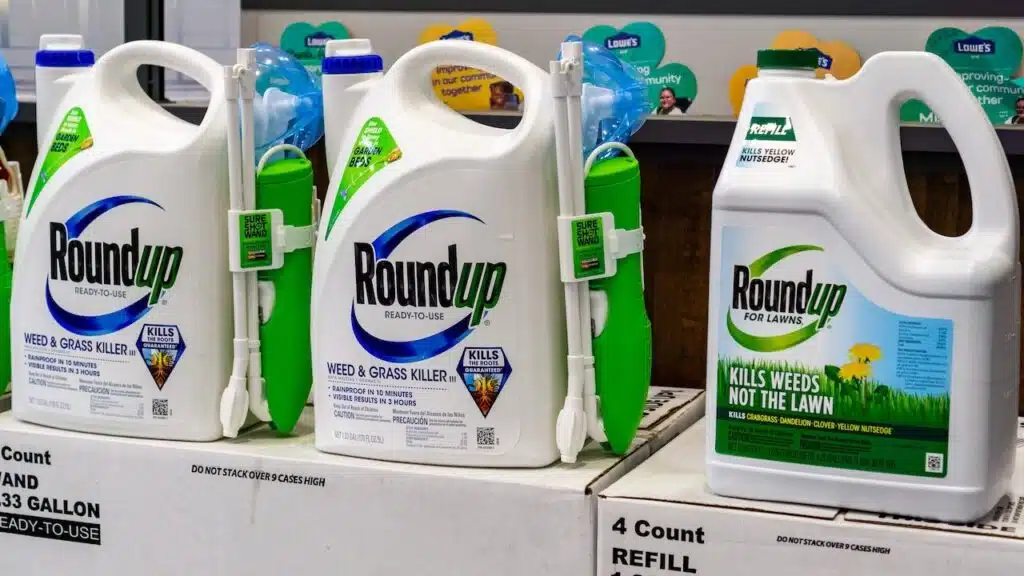
The deadline for Bayer to wrap up tens of thousands of Roundup cancer lawsuit settlements is just a month away and the lead mediator in the matter said this week he is optimistic about their chances of getting it done on time.
Bayer’s lawyers have until Nov. 2 to finalize all 125,000 class action lawsuits, lawsuits and legal claims brought against it by consumers who say the key ingredient in its Roundup herbicide – glyphosate — causes serious health problems, including cancer. Any cases left unsettled on Nov. 3 are at risk of being sent to trial immediately by U.S. District Court Judge Vince Chhabria.
Bloomberg reported this week that at a Sept. 24 meeting with the judge, court-appointed mediator Ken Feinberg, who is overseeing the settlement negotiations, told Chhabria he is confident that won’t be necessary.
“They will be settled,” the Bloomberg article quoted him as saying.
Roundup Settlements Progress Appears Steady
The latest update on the progress of the Roundup settlements continued a positive trend begun Sept. 14 when the lawyers and judge last met to discuss the state of negotiations. At that time, three of the attorneys for the plaintiffs had filed notices in U.S. District Court in San Francisco indicating they had come to terms with Bayer on thousands of binding agreements. None of the documents indicated how much of the $10 billion overall settlement the individual and class action lawsuits involved would be resolved for.
The Road to Resolution Has Been Bumpy
After about a year of preliminary negotiations, Bayer announced in June it would pay out some $10 billion in Roundup settlements to resolve the majority of outstanding claims against it and Monsanto over claims the popular weed killer causes cancer.
The move was seen by many as an attempt to largely clear the decks in an effort to improve the company’s stock prices and financial future.
An additional 30,000 or so ongoing cases are not included in the proposed settlement.
Three lawsuits against Bayer/Monsanto have gone to trial in the last two years and resulted in significant jury awards – ranging from $80 million to $2 billion – all of which are under appeal.
When the parties met to update Chhabria, the presiding judge, on August 27, the fate of the massive settlement deal seemed in doubt. Lawyers for some of the lead plaintiffs told the court that Bayer hadn’t yet signed thousands of already-negotiated agreements and had terminated one deal to resolve a pile of others.
Chhabria accused Bayer of seemingly “welching” on the deals and ordered the plaintiffs to begin preparing for trial.
Bayer’s representatives said the delay was nothing more than a “speed bump” and promised progress would continue more steadily.
That amounted to a deal-breaker in Judge Chhabria’s opinion. He issued a court order July 6 saying he was “skeptical of the propriety and fairness of the proposed settlement” and was inclined to deny it because of the future claims component.
The judge said he was troubled by the idea of limiting the rights of future plaintiffs and questioned the wisdom of a plan to use some of the set aside money to create an independent panel of experts to determine, once and for all, whether glyphosate causes cancer.
Bayer later withdrew the future claims provision from the proposed settlement.
Negotiators Plowing Ahead
During their meeting with the judge this week, the legal teams said they had made “significant progress” in the Roundup settlements, according to the Bloomberg report, and had resolved roughly 44,000 of the lawsuits.
“What we need to do is get on our bicycles and keep moving forward,” Bayer lawyer William Hoffman was quoted by Bloomberg as telling Judge Chhabria.
Concerns About Glyphosate
The common thread running through nearly all the lawsuits against Bayer over Roundup is the claim that the ingredient that makes it so effective in killing weeds poses real and severe health risks. Scientists have spent the last several decades trying to determine once and for all whether the use of herbicides containing glyphosate can cause non-Hodgkin’s lymphoma, among other things.
So far, the results have been less than definitive and the evidence that has been generated has been interpreted differently by the various health and medical experts considering it. The U.S. Environmental Protection Agency, for example, has said as recently as April 2019 that glyphosate “is not likely to be carcinogenic to humans.” Meanwhile, the World Health Organization’s International Agency for Research on Cancer has held firm on the position that glyphosate is “probably carcinogenic to humans” since 2015.
Join a Roundup Weed Killer Cancer Class Action Lawsuit Investigation
You may qualify for this Roundup cancer lawsuit investigation if you were diagnosed with one of these conditions after using Roundup:
Non-Hodgkin’s lymphoma
B-cell lymphoma
T-cell lymphoma
Chronic lymphocytic leukemia (CLL)
Hairy cell lymphoma
See if you qualify by filling out the form on this page for a case evaluation with an experienced Roundup lawsuit attorney.
Please note: Top Class Actions is not a settlement
administrator or law firm. Top Class Actions is a legal news source
that reports on class action lawsuits, class action settlements,
drug injury lawsuits and product liability lawsuits. Top Class
Actions does not process claims and we cannot advise you on the
status of any class action settlement claim. You must contact the
settlement administrator or your attorney for any updates regarding
your claim status, claim form or questions about when payments are
expected to be mailed out.