

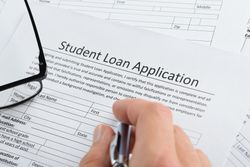
 Some people do not know that after they have experienced bankruptcy, they may be eligible for student loan debt discharge. Certain types of student loans can be automatically erased if you go through bankruptcy.
Unfortunately, some creditors still call in pursuit to pay back loans even after a person has experienced a bankruptcy. In fact, some creditors harass debtors, even after a student loan debt discharge.
What Kinds of Loans are Eligible for Student Loan Debt Discharge?
Not all types of loans are eligible for student loan debt discharge. For example, if you went to a traditional college and took out a federally funded loan, your loan may not be eligible for student loan debt discharge. However, some other types of loans are eligible.
The types of loans that are eligible for student loan debt discharge are often privately funded loans. These types of loans must be made by a private, for-profit lender, and they must be taken out to pay expenses other than “qualified educational expenses.”
Loans may qualify if they were used to pay for programs other than a traditional, four year college degree. Fund in excess of a school’s stated “cost of attendance” may also be dischargeable.
Additionally, one should know that if they received a check in the mail directly for a student loan, this may also be a loan eligible to receive a student loan debt discharge in the case of a bankruptcy.
If creditors continue to harass and call you after you have undergone bankruptcy, they may be in violation of the Fair Debt Collection Protection Act. The Fair Debt Collection Protection Act of 1978, or FDCPA, was passed to come against unfair debt collection and to protect consumers from harassing debt collection techniques.
A creditor is within its rights to collect a debt that is owed. However, certain rules and regulations are in place under the FDCPA to help protect debtors. One way that consumers are protected under the FDCPA is that they have the right to challenge the amount owed by them and verify the actual amount requested by the creditor.
There are many types of student loans that are eligible for student loan debt discharge. These include private student loans for fitness school, computer training school, bar exam school, culinary school, flight school or airline training school, art school and community college. Additionally, loans taken out to help with studying abroad, tutoring or continuing education might also fall underneath these guidelines.
If you owe on such a loan and have undergone bankruptcy, you are protected under the FDCPA so that creditors may not do certain things to you in pursuit of payback.
First of all, they may not engage in debt collection harassment. If you have told them to cease contact with you in writing, and they continue to call, they may have violated the FDCPA. Also, they may not call you before 8:00 am or after 9:00 pm.
Creditors also may not use deception in any way to collect a debt or try to collect.
If you have gone through bankruptcy, have private student loans eligible for student loan debt discharge and are getting harassed by creditors for those loans, you may be able to benefit from legal representation.
Join a Free Private Student Loan Debt Collection Investigation
If you have suffered from student loan debt collection efforts after you have filed for bankruptcy with a private, non-qualified student loan, you may have legal remedies to stop these illegal collection efforts. Find out if you qualify.
ATTORNEY ADVERTISING
Top Class Actions is a Proud Member of the American Bar Association
LEGAL INFORMATION IS NOT LEGAL ADVICE
Top Class Actions Legal Statement
©2008 – 2026 Top Class Actions® LLC
Various Trademarks held by their respective owners
This website is not intended for viewing or usage by European Union citizens.
Get Help – It’s Free
Join a Free Illegal Private Student Loan Debt Collection Investigation
An attorney will contact you if you qualify to discuss the details of your potential case.
Please Note: If you want to participate in this investigation, it is imperative that you reply to the law firm if they call or email you. Failing to do so may result in you not getting signed up as a client, if you qualify, or getting you dropped as a client.
Email any problems with this form to [email protected].
Oops! We could not locate your form.











