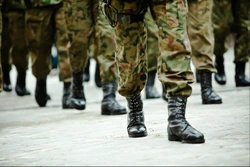
 United States military members who were injured in Iraq or Afghanistan may be able to file legal action under the Anti Terrorism Act.
Under the Anti Terrorism Act, injured United States military members and their families may be able to file legal action against foreign banks that allegedly funded terrorist activities during the Iraq and Afghanistan wars.
The United States Anti Terrorism Act provides military members, veterans, and their family members a way of seeking compensation for injuries they suffered from terrorist attacks in Iraq and Afghanistan. This may also include wrongful death and funeral expenses, for loved ones who lost their loved ones due to the ongoing of war in either country.
Overview of Anti Terrorism Act
The Anti Terrorism Act prohibits financial assistance or other support to foreign terrorist organizations. Congress enacted the Anti Terrorism Act after discovering that “some foreign terrorist organizations, acting through affiliated groups or individuals, raise significant funds within the United States, or use the United States as a conduit for the receipt of funds raised in other nations.”
Foreign banks in Iran had allegedly violated this law by allegedly funding terrorist activities in Iraq and Afghanistan, in exchange for significant financial kickbacks. Sanctions were previously placed around Iran by Congress, in an effort to prevent this behavior.
However, Iran officials allegedly found banks that were willing to help them get around these rules and paid them for their efforts. These banks had reportedly accepted billions in exchange for allegedly sponsoring terrorism, which had lead to numerous United States military members to become seriously injured or even killed.
Several banks have already pled guilty to these violations and reached settlements with the United States government including:
- Barclays Plc.
- BNP Paribas S.A.
- Commerzbank A.G.
- Crédit Suisse AG and Crédit Suisse Asset Management Limited
- HSBC Holding Group Plc.
- Standard Chartered Bank Plc.
These banks allegedly helped facilitate terrorist attacks that were responsible for the majority of United States military members deployed in Iraq between 2003 and 2011. The weapons reportedly used in the terrorist attacks were typically EFPs, IEDs, and IRAMs:
- IED (Improvised Explosive Device): These devices work by detonating a mechanism causing an explosion to be released. These devices were often used in roadside bombings and were one of the most commonly used weapons by terrorists in Iraq and Afghanistan.
- Explosively Formed Penetrators (EFPs): These devices were described as the “most lethal weapon American forces faced in Iraq” by the New York Times. These devices could easily be hidden by terrorist forces, and can be shot from over 100 yards away from its target.
- IRAMs (Improvised Rocket Assisted Munitions): These devices are propane tanks filled with flammable materials that are powered by 107mm rockets, and can be deployed remotely.
United States military veterans and servicemembers who encounter these explosions often suffer serious physical and mental complications, which can significantly diminish their quality of life. These people and their families can seek compensation for medical damages and other financial damages under the Anti Terrorism Act.
If you or a loved one was injured or killed by an IED or EFP while fighting in the Iraq or Afghanistan wars, legal recourse is available. Get help now by filling out the form on this page for a FREE case evaluation.
The attorneys who work with Top Class Actions will contact you if you qualify to let you know if an individual lawsuit or anti-terrorist class action lawsuit is best for you. (In general, anti-terrorist lawsuits are filed individually by each plaintiff and are not class actions.) After you fill out the form, the attorneys who work with Top Class Actions will contact you if you qualify to let you know if an individual lawsuit or class action lawsuit is best for you. Hurry — statutes of limitations may apply.
ATTORNEY ADVERTISING
Top Class Actions is a Proud Member of the American Bar Association
LEGAL INFORMATION IS NOT LEGAL ADVICE
Top Class Actions Legal Statement
©2008 – 2026 Top Class Actions® LLC
Various Trademarks held by their respective owners
This website is not intended for viewing or usage by European Union citizens.
Get Help – It’s Free
Join a Free Iranian IED, EFP Lawsuit Investigation
If you qualify, an attorney will contact you to discuss the details of your potential case at no charge to you.
PLEASE NOTE: If you want to participate in this investigation, it is imperative that you reply to the law firm if they call or email you. Failing to do so may result in you not getting signed up as a client or getting you dropped as a client.
Email any problems with this form to [email protected].
Oops! We could not locate your form.