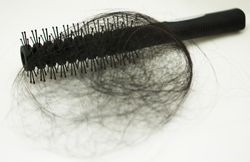
 Permanent alopecia from chemotherapy has prompted a lawsuit by a woman who claims her hair has never grown back.
Plaintiff Krystal D. received Taxotere chemotherapy treatments from May through August of 2012. She claims she has endured “disfiguring, permanent alopecia beginning sometime after treatment with Taxotere (docetaxel) and continuing to present.”
The suit was filed July 25, 2017.
Sanofi-Aventis stands accused of knowing of the possibility of permanent alopecia from chemotherapy in which Taxotere was used, yet failing to include an appropriate warning on its packaging.
Women with breast cancer were often sold on the Taxotere treatment because only four treatments were required; other chemotherapy options required 12 treatments. Some women insist they would have chosen more treatments of a different drug if it meant their hair would have grown back.
Permanent Alopecia from Chemotherapy Could Have Been Avoided
Many women such as Krystal believed that Taxotere was a more effective chemotherapy medication than others in its class, known as taxanes.
According to the complaint, Sanofi-Aventis claimed “superior efficacy” over lower potency Taxane-based products such as paclitaxel (Taxol), Taxotere’s primary competitor.
Even though Taxotere is more potent and toxic, some post-market studies reportedly show it is not more effective than other chemotherapy Taxane medications. Sanofi-Aventis allegedly concealed certain studies from the FDA, the medical community and patients because the studies refuted Taxotere’s superiority claims.
Sanofi-Aventis warned women in other countries about the risks of permanent alopecia from chemotherapy with Taxotere, but the company did not offer the same warning to U.S. patients, the complaint says.
While hair loss is a known side effect of most chemotherapy treatments, such hair loss is normally short-term, and hair grows back once treatments cease.
Taxotere permanent hair loss litigation plaintiffs claim the drug maker knew from a study in the 1990s that more than nine percent of women who used Taxotere suffered permanent hair loss. This became evident as early as 2005.
Permanent alopecia from chemotherapy truly matters to women. They report anxiety related to their body image, sexuality and self-esteem. Many women are unable to resume working because of depression and being self-conscious in the work place.
Klugel et al. published a 2012 study in the Annals of Oncology regarding hair loss in 20 patients who had received Taxotere treatments. The patients all showed hair loss within two weeks of the first Taxotere treatment.
Hair loss persisted in spite of a number of treatments attempted to stimulate hair growth.
The women indicated “significant impairment” of their quality of life and nearly 40 percent claimed “severe” impairment. Scarves or wigs were used by 70 percent of the women who wanted to cover their heads.
Not only the hair on their heads is missing, though. Victims of permanent alopecia from chemotherapy often have no eyelashes, eyebrows or body hair left. The absence of all their hair is like a visible scar of the cancer they survived.
The Permanent Alopecia from Chemotherapy Lawsuit is Case No. 2:17-cv-07111-KDE-MBN in the U.S. District Court, Eastern District of Louisiana.
Do YOU have a legal claim? Fill out the form on this page now for a free, immediate, and confidential case evaluation. The attorneys who work with Top Class Actions will contact you if you qualify to let you know if an individual lawsuit or Taxotere class action lawsuit is best for you. [In general, Taxotere lawsuits are filed individually by each plaintiff and are not class actions.] Hurry — statutes of limitations may apply.
ATTORNEY ADVERTISING
Top Class Actions is a Proud Member of the American Bar Association
LEGAL INFORMATION IS NOT LEGAL ADVICE
Top Class Actions Legal Statement
©2008 – 2026 Top Class Actions® LLC
Various Trademarks held by their respective owners
This website is not intended for viewing or usage by European Union citizens.
Get Help – It’s Free
Join a Free Taxotere Class Action Lawsuit Investigation
If you received intravenous chemotherapy treatment for breast cancer and were told that your hair would grow back but it never did, you may have a legal claim. Permanent hair loss is defined as a minimum of 6 months after the Taxotere chemotherapy treatment ended, and there is still no new hair growth. Join this free Taxotere class action lawsuit investigation now!
An attorney will contact you if you qualify to discuss the details of your potential case at no charge to you.
Please Note: If you want to participate in this investigation, it is imperative that you reply to the law firm if they call or email you. Failing to do so may result in you not getting signed up as a client, if you qualify, or getting you dropped as a client.
Oops! We could not locate your form.