
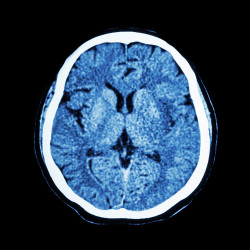
Dilantin (phenytoin) is one of the most commonly prescribed antiepileptic medications in the United States, prescribed to treat a variety of epileptic conditions.
However long-term Dilantin use has been linked to severe complications, with cerebral atrophy being one of the most devastating.
Cerebral atrophy, or atrophy of the brain, occurs when the brain starts to degenerate around the cerebellum; it has been linked to Dilantin side effects.
Cerebral atrophy often occurs over time, as the brain continues to lose cells and control of basic functions. This condition can occur in either the entire brain, or just a single part of the brain with both conditions leading to severe loss in neurological processing.
There are number of causes of cerebral atrophy including brain injury, dementia, aphasia, seizures, and potentially long-term Dilantin use. Patients who experience cerebral atrophy from long-term Dilantin use may experience trouble with basic muscle movements or trouble forming coherent sentences.
In some of the most extreme cases, patients may experience changes in their faces due to Dilantin effecting the growth of their skulls. The severity of the case depends on the duration of the condition, as well as the location or range of brain cell death.
It is important to note that recovery from cerebral atrophy can be long and arduous, and that there is no actual cure for this condition.
In early cases, patients have reportedly reversed the damage when they stopped taking the drug and when under heavy monitoring by their physicians. However, in the cases associated with Dilantin side effects, the injuries may be permanent with physical therapy as the primary treatment method.
Overview of Dilantin Cerebral Atrophy
The association between Dilantin side effects and cerebral atrophy has been a concern since 1994, when researchers noticed that Dilantin patients had significantly smaller cerebelli compared to non-Dilantin patients. This study was conducted to examine how Dilantin may be managing seizures, which led to the scientists making the discovery.
In 2003, a study was published observing long term Dilantin use and its side effects, which found that the greater amount of Dilantin exposure the more severe the cerebral atrophy.
Dilantin is one of America’s oldest antiepileptic drugs, and has become a reliable treatment source for epileptic patients. The World Health Organization even declared Dilantin an essential drug for any healthcare system for its reliable treatment mechanism.
Therefore it has become a prevalent concern for prescribing physicians, as well as epileptic patients, who are becoming increasingly aware of the side effects associated with long-term Dilantin use.
Dilantin patients who start experiencing headaches, trouble with basic movements, and words slurring may want to see their doctors. Early diagnosis could lead to more treatment options and limit the brain damage.
Despite the severity of cerebral atrophy, this complication is not mentioned on Dilantin’s warning label.
Patients who suffered complications linked to long term Dilantin use, may be eligible to file legal action against the manufacturing company Pfizer Inc. Potential claimants should contact a specialized lawyer as soon as possible, to determine if they have a lawsuit.
In general, phenytoin lawsuits are filed individually by each plaintiff and are not class actions.
Do YOU have a legal claim? Fill out the form on this page now for a free, immediate, and confidential case evaluation. The attorneys who work with Top Class Actions will contact you if you qualify to let you know if an individual Dilantin lawsuit or Dilantin class action lawsuit is best for you. Hurry — statutes of limitations may apply.
ATTORNEY ADVERTISING
Top Class Actions is a Proud Member of the American Bar Association
LEGAL INFORMATION IS NOT LEGAL ADVICE
Top Class Actions Legal Statement
©2008 – 2026 Top Class Actions® LLC
Various Trademarks held by their respective owners
This website is not intended for viewing or usage by European Union citizens.
Get Help – It’s Free
Join a Free Dilantin, Phenytoin Cerebral Atrophy Class Action Lawsuit Investigation
If you or a loved one were injured by Dilantin/phenytoin side effects, you may have a legal claim. Fill out the form for a free case evaluation.
An attorney will contact you if you qualify to discuss the details of your potential case.
Oops! We could not locate your form.












2 thoughts onLong-Term Dilantin Use Could Cause Cerebral Atrophy