

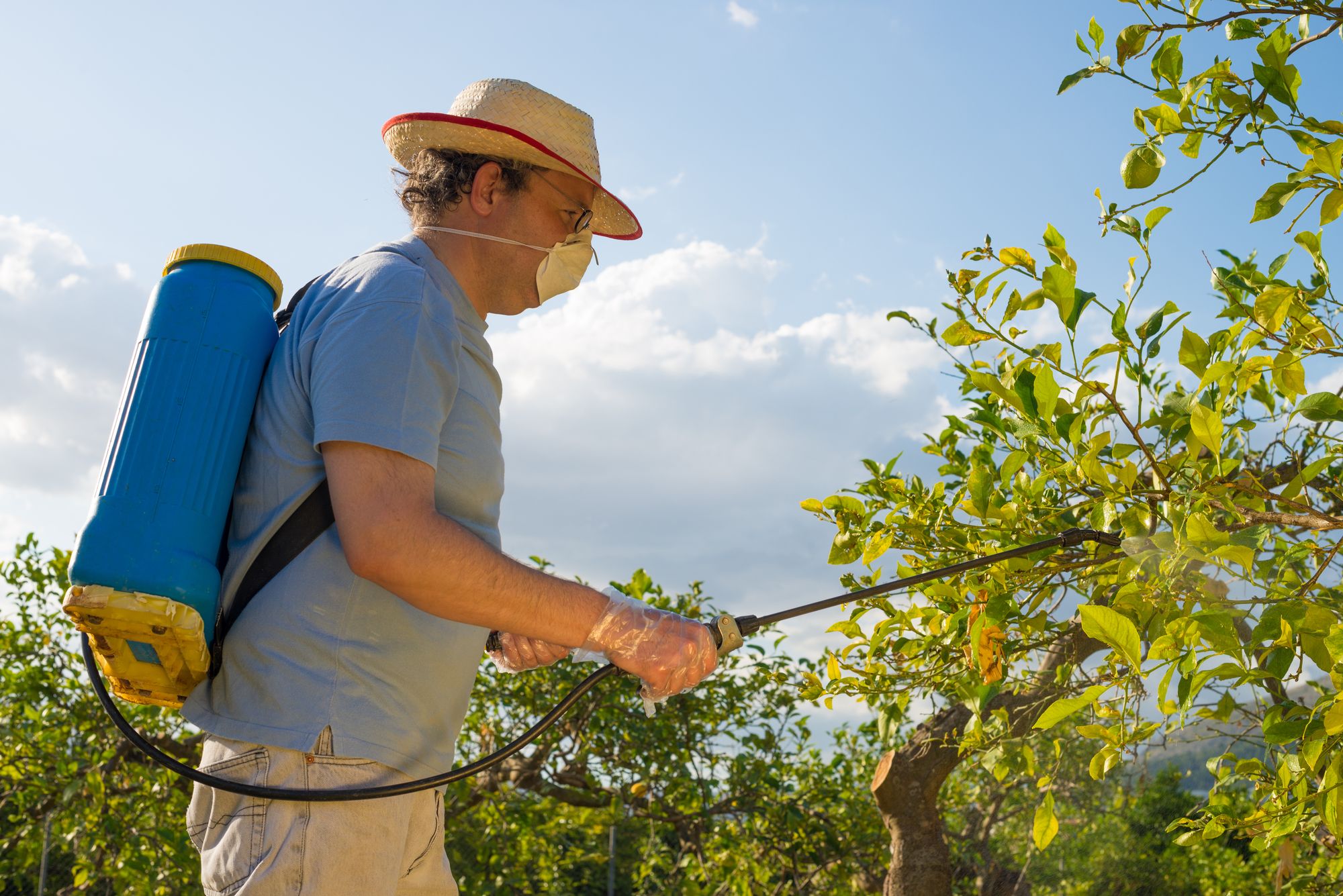
 A man has filed a lawsuit against Monsanto alleging the company’s weed killer caused him to develop cancer.
Plaintiff Ted L., a resident of Mesa, Ariz., filed a Monsanto Roundup cancer lawsuit in Arizona federal court on July 19, 2017. He used Roundup, a glyphosate-containing herbicide, for 42 years between two properties located in California and Arizona.
He developed non-Hodgkin’s Lymphoma (NHL) in March 2010 and has continued to receive treatment for this condition since that time.
As stated in the legal documentation of this Monsanto Roundup cancer lawsuit, Ted L. did not learn of the role of glyphosate in causing NHL as well as other cancers until well over five years after his diagnosis. This was when the International Agency for Research on Cancer (IARC) put glyphosate into a group 2a herbicide classification identifying it as a probable human carcinogenic chemical.
A History of Monsanto’s Roundup Herbicide
The Monsanto Company began marking glyphosate-containing products in 1974 and branded it with the name Roundup. According to the Monsanto Roundup cancer lawsuit, domestic consumption of Roundup in 2007 reached 185 million pounds. By 2013, it was the most popularly used herbicide globally.
Studies have discovered trace amounts of glyphosate in agricultural areas and the ground and waterways surrounding it, but also in different food crops. Urine testing has revealed glyphosate in agricultural workers and in city residents that are allegedly far away from mass herbicide spraying.
Monsanto Roundup Cancer Lawsuit Allegations
The plaintiff claims that during the 42 years he used the Roundup herbicide, he was completely unaware that the product could and was impacting his future health.
He claims that the enormous global company did everything they could to portray the product as safe for humans, animals, and the general environment.
According to the Monsanto Roundup cancer lawsuit documentation, in 1996, the New York attorney general asked the company to cease and desist advertisements that claimed safety and a complete lack of risk.
The company had claimed that Roundup was as safe as salt to use, would not harm animals, was biodegradable and would not accumulate in the soil. Advertisements also claimed that the product wouldn’t leach into the ground, but would stay put via a bonding process to soil.
Monsanto agreed with the attorney general of New York to stop this vein of promotion through an assurance of discontinuance contract in 1996. This contract only affected New York, however, and the rest of the country was subject to the company’s alleged misrepresentations.
In this Monsanto Roundup cancer lawsuit, Ted brings the following counts against the defendant, Monsanto: Strict Liability – Design Defect and Failure to Warn; Negligence; Breach of Express Warranty; Breach of Implied Warranty of Merchantability; and Violation of Arizona Consumer Fraud Act.
The plaintiff is asking for a trial by jury with a favorable judgment on his behalf. He asks for punitive and compensatory damages which include all litigation costs such as attorney fees, and court costs. He asks for any additional awards as the jury sees fit and just as the case is reviewed.
The Monsanto Roundup Cancer Lawsuit is Case No. 2:17-cv-02404-GMS in the U.S. District Court for the District of Arizona.
If you or a loved one developed cancer after using Roundup as a farm worker or home gardener, you may have a legal claim. Legal migrant farm workers may also seek help. Learn more by filling out the form on this page for a FREE case evaluation.
ATTORNEY ADVERTISING
Top Class Actions is a Proud Member of the American Bar Association
LEGAL INFORMATION IS NOT LEGAL ADVICE
Top Class Actions Legal Statement
©2008 – 2026 Top Class Actions® LLC
Various Trademarks held by their respective owners
This website is not intended for viewing or usage by European Union citizens.
Get Help – It’s Free
Join a Free Roundup Cancer Class Action Lawsuit Investigation
For the most up-to-date information on this case, click here.
Oops! We could not locate your form.











