

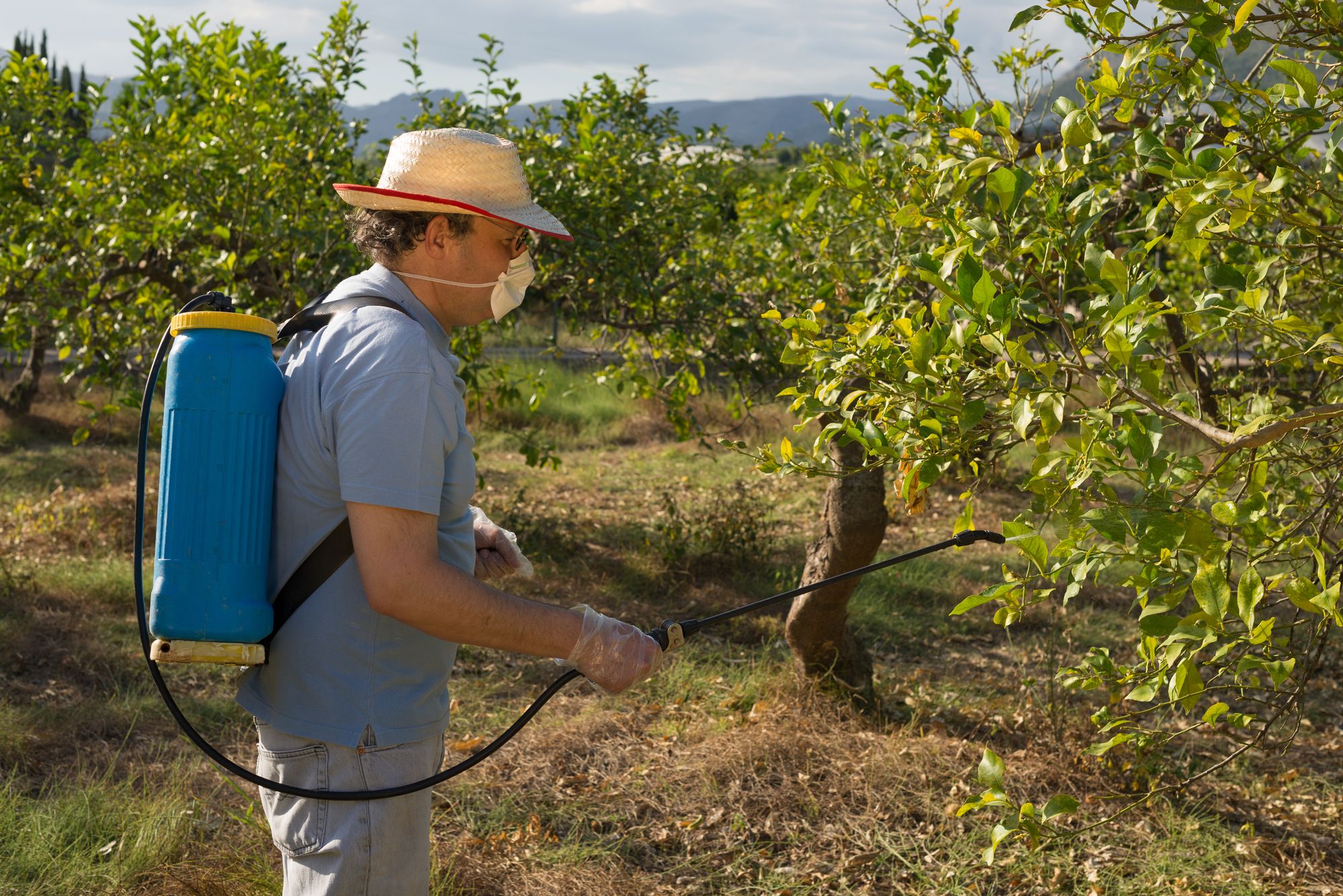
 The makers of Roundup face a products liability lawsuit that alleges that the weed killer increases risks of non-Hodgkin’s lymphoma (NHL) and cancer.
According to the Roundup lymphoma lawsuit, Plaintiff Donald Z., a Washington state resident, seeks recovery for damages because of allegedly developing NHL.
Donald was diagnosed with NHL at PeaceHealth St. John Medical Center in Longview, Wash., according to the lawsuit. He alleges that the development was purportedly due to the “unreasonably dangerous and defective nature of Roundup” along with the active ingredient glyphosate. He was allegedly exposed to the product between 1984 and 2002, while spraying the weeds at his residence with the Roundup product.
According to the Roundup lymphoma lawsuit, he would spray the weeds three times per year during the summer, and each treatment would last approximately two hours. He maintains that while doing so, he would wear a protective mask and gloves.He says he was diagnosed with follicular B-cell lymphoma in June 2014.
The Roundup lymphoma lawsuit states that Donald had not known of the alleged dangerous risks involved in being exposed to Roundup. As a result, Donald says he “has incurred and will incur medical expenses in the future and has endured and will endure pain and suffering and loss of enjoyment of life.”
The defendant facing the products liability litigation is Monsanto Company, Inc. The company began marketing the product in 1974 under the brand name Roundup.
The Roundup product is described as “a non-selective herbicide used to kill weeds that commonly compete with the growing of crops.”
According to the Roundup lymphoma lawsuit, the active ingredients contained in Roundup are glyphosate and a surfactant, polyethoxylated tallow amine (POEA).
Studies have reported that the active ingredient glyphosate is linked to cancer. According to the Roundup lymphoma lawsuit, the International Agency for Research on Cancer, or IARC, issued an evaluation of the herbicide glyphosate in March 2015. The evaluation categorized glyphosate as a Group 2A herbicide, and had classified it as being “probably carcinogenic to humans.”
The evaluation was “based, in part, on studies of exposures to glyphosate in several countries around the world, and it traces the health implications from exposure to glyphosate since 2001.”
According to the Roundup lymphoma lawsuit, it states, “the IARC Working Group concluded that the cancers most associated with glyphosate exposure are NHL and other haematopoietic cancers, including lymphocytic lymphoma/ chronic lymphocytic leukemia, B-cell lymphoma, and multiple myeloma.”
But despite study results like these, the Roundup lymphoma lawsuit contends, Monsanto had represented Roundup as being safe to humans and the environment. The manufacturers are accused of making false representations that the glyphosate-based herbicides poses no aberrant risks to humans or the environment.
The Roundup Lymphoma Lawsuit is Case No. 1:17-cv-00783, in the U.S. District Court for the District of Delaware.
If you or a loved one developed cancer after using Roundup as a farm worker or home gardener, you may have a legal claim. Legal migrant farm workers may also seek help. Learn more by filling out the form on this page for a FREE case evaluation.
ATTORNEY ADVERTISING
Top Class Actions is a Proud Member of the American Bar Association
LEGAL INFORMATION IS NOT LEGAL ADVICE
Top Class Actions Legal Statement
©2008 – 2026 Top Class Actions® LLC
Various Trademarks held by their respective owners
This website is not intended for viewing or usage by European Union citizens.
Get Help – It’s Free
Join a Free Roundup Cancer Class Action Lawsuit Investigation
For the most up-to-date information on this case, click here.
Oops! We could not locate your form.











