 Most of us know that asbestos is a carcinogen and that we must protect ourselves from being exposed to it, but many of us don’t know how to handle situations in which we may be exposed.
Federal and state regulations that govern handling asbestos can help protect workers and their loved ones from any potential complications that may arise from being exposed to the material.
What is Asbestos?
Asbestos is a naturally occurring mineral that is found in mines. Through most of the 20th century, it was widely used in construction of commercial and residential buildings and military vessels and in the automotive industry.
Asbestos is used because of its superior insulating properties as well as fire retardant properties, which made it useful for construction applications.
Left undisturbed, asbestos does not typically pose a problem for human health. It is when the asbestos is disturbed and releases fibers that become airborne that the material starts posing problems.
When asbestos is inhaled, it could be embedded in the lungs and lining of the chest and can cause serious health-related issues. Asbestos lung cancer and other deadly respiratory conditions are possible health outcomes of asbestos exposure.
Asbestos-related diseases are serious, and in the case of lung cancer, they are often fatal. It is important to know how to navigate situations where handling asbestos may be required.
Leave Handling Asbestos to the Pros
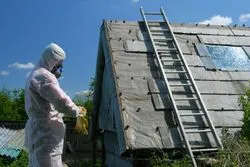
Asbestos is present in many buildings built before 1980, including homes. Asbestos may be contained in the insulation used in the construction of buildings as well as in ceiling tiles, flooring, roofs, shingles and siding, among other items.
Renovation of such buildings is the main source of asbestos exposure. Sometimes, broken, flaking materials containing asbestos may also release fibers into the air.
For example, if an area flooring is damaged, each time it is walked on, asbestos fibers contained within may rise into the air.
It is important for any homeowners who are planning renovation of older buildings to consult a licensed asbestos abatement professional to check for the presence of asbestos and how to remove it, encapsulate it and properly dispose of it so health is not jeopardized.
By law, any employees who may come in contact with asbestos in a workplace must have training on how to deal with it.
In these instances, asbestos must be clearly identified and must be properly maintained, and all employees coming into contact with asbestos must receive specific education on handling asbestos to avoid any potential exposure.
Employees, including janitors and custodians or any maintenance personnel, should not be expected to take part in any renovations or repairs of materials that may contain asbestos.
This should also be left for a licensed asbestos professional who can take full responsibility of properly handling asbestos and keeping all workers and customers safe.
Disasters occurring naturally, such as earthquakes, hurricanes and tornadoes may cause significant damage to buildings. Buildings containing asbestos that is disturbed can quickly become hazardous to humans and pets.
Man-made disasters, such as terrorist bombings and the events of 9-11, can also cause damage to buildings which may release asbestos fibers into the air.
Emergency responders responsible for recovery and cleanup efforts in these disasters are at particular risk for developing diseases related to handling asbestos. Any other individuals present at the time of such disaster are also at risk.
Preparing for Disasters
Disasters like these can cause unexpected exposure to asbestos. It is a good idea for anyone at risk for such exposure to protect themselves from asbestos exposure by having on hand masks that adequately cover the nose and mouth.
Workers may also keep a mask at work in case of an asbestos exposure situation. Bottled water is an important part of an emergency kit, as wetting the asbestos makes it less likely to become airborne and cause exposure.
Clothes can be contaminated with asbestos during a disaster. Exposed clothing should be disposed of properly to reduce exposing oneself and others to the asbestos fibers.
These clothes and other asbestos waste must be disposed of properly, according to applicable asbestos handling regulations.
Do YOU have a legal claim? Fill out the form on this page now for a free, immediate, and confidential case evaluation. The attorneys who work with Top Class Actions will contact you if you qualify to let you know if an individual asbestos lawsuit or asbestos class action lawsuit is best for you. [In general, asbestos lung cancer lawsuits are filed individually by each plaintiff and are not class actions.] Hurry — statutes of limitations may apply.
ATTORNEY ADVERTISING
Top Class Actions is a Proud Member of the American Bar Association
LEGAL INFORMATION IS NOT LEGAL ADVICE
Top Class Actions Legal Statement
©2008 – 2026 Top Class Actions® LLC
Various Trademarks held by their respective owners
This website is not intended for viewing or usage by European Union citizens.
Get Help – It’s Free
Join a Free Asbestos Lung Cancer Class Action Lawsuit Investigation
If you or a loved one were exposed to asbestos and developed mesothelioma, lung cancer, or cancer in the lining of the lungs, abdomen or chest cavity, you may be able to take legal action against the companies responsible. Don’t delay – in most states the statute of limitations is two years to file an asbestos lawsuit after you’re diagnosed. Obtain a free and confidential case evaluation be filling out the form below.
An attorney will contact you if you qualify to discuss the details of your potential case at no charge to you.
Please Note: If you want to participate in this investigation, it is imperative that you reply to the law firm if they call or email you. Failing to do so may result in you not getting signed up as a client, if you qualify, or getting you dropped as a client.
Oops! We could not locate your form.