

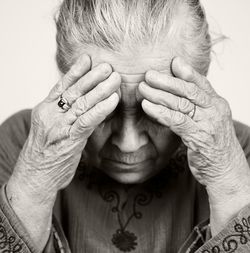
 A grieving son claims that his mother died after showing signs of elder abuse in a nursing home.
Joseph G. alleges that his 84-year-old mother, Lillian G., died at Sapphire Nursing Home in New York after he saw signs of elder abuse.
“I believe, and the family believes, that it’s a direct result of the negligence and physical abuse at Sapphire,” Joseph told News12 Westchester.
Lillian was immobile and had to use a wheelchair due to severe arthritis. She allegedly developed a urinary tract infection that spread to her kidneys and proved fatal. Joseph claims that she was left for hours at a time in urine and feces which caused her fatal infection.
Joseph told local reporters that his mother’s situation was not unique.
“It’s really a systemic issue. They’re not isolated incidents at all. It’s a horror show at Sapphire.”
Joseph allegedly complained about signs of elder abuse both to the staff and to the state within the past year. Joseph’s allegations follow a state probe of Sapphire Nursing Home last month that resulted in several violations including understaffing and patient neglect.
Nursing home neglect is a serious problem in the United States and effects an estimated 5 million Americans over the age of 60. Despite the prevalence and severity of the abuse, around 84 percent of cases are not reported to authorities. Instances of abuse may include neglect, physical abuse, or abandonment.
Neglect happens when caretakers refuse or fail to provide food, shelter, and general care to vulnerable adults. Physical abuse happens when caretakers threaten or inflict physical pain on an elder or deprive them intentionally of an essential need. Abandonment happens when caretakers abandon a vulnerable adult, including lack of care or leaving them behind in a natural disaster.
Although nursing home neglect is a serious and sometimes fatal issue, it can be prevented by awareness of the signs of elder abuse. Signs of abuse include bed sores, malnutrition, dehydration, chronic infections, bruises around the breasts or genital area, falls, fractures, weight loss, unattended medical needs, poor hygiene, and frequent arguments with caretakers.
Looking for these signs of elder abuse can be crucial in keeping loved ones safe and out of abusive, life-threatening situations.
If you have noticed one or more signs of elder abuse, it is imperative that you report your suspicions to the authorities. If someone is in immediate danger, call 911 or the local police for help. Additionally, an elder abuse hotline or an elder law attorney would be able to provide further tools.
If you or a loved one were the victim of nursing home neglect at the hands of a caretaker, you may qualify for legal action. Compensation from a nursing home neglect legal claim could cover medical costs, pain and suffering, wrongful death, and more.
In general, nursing home neglect lawsuits are filed individually by each plaintiff and are not class actions.
Do YOU have a legal claim? Fill out the form on this page now for a free, immediate, and confidential case evaluation. The attorneys who work with Top Class Actions will contact you if you qualify to let you know if an individual nursing home neglect lawsuit or class action lawsuit is best for you. Hurry — statutes of limitations may apply.
ATTORNEY ADVERTISING
Top Class Actions is a Proud Member of the American Bar Association
LEGAL INFORMATION IS NOT LEGAL ADVICE
Top Class Actions Legal Statement
©2008 – 2026 Top Class Actions® LLC
Various Trademarks held by their respective owners
This website is not intended for viewing or usage by European Union citizens.
Get Help – It’s Free
Join a Free Nursing Home Neglect Class Action Lawsuit Investigation
If you qualify, a nursing home lawyer will contact you to discuss the details of your potential case at no charge to you.
Please Note: If you want to participate in this investigation, it is imperative that you reply to the law firm if they call or email you. Failing to do so may result in you not getting signed up as a client, if you potentially qualify, or getting you dropped as a client.
Oops! We could not locate your form.











