
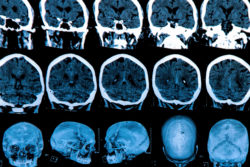
 In the last month of 2017, the U.S. Food and Drug Administration (FDA) issued a safety warning regarding the use of injected contrast dyes with magnetic resonance imaging (MRI) scans because of the risk of gadolinium retention.
Gadolinium is a heavy metal that is part of a number of contrast dyes that have been approved for the commercial marketplace in the U.S. Contrast dyes help MRI images to show up better because of the inclusion of this heavy metal ingredient.
The gadolinium-based products that are available include Dotarem, Eovist, Gadavist, Magnevist, MultiHance, Omniscan, Optimark, and ProHance. Gadolinium retention is where the product leaves gadolinium deposits in the body long after the procedure has been completed. These gadolinium retention deposits tend to primarily occur in the brain in addition to other parts of the body.
Some patients who have undergone MRI scans that used a gadolinium contrast dye say they later suffered side effects they weren’t warned about. Symptoms associated with gadolinium retention or gadolinium deposition disease are:
- Problems retaining information, sometimes referred to as ‘brain fog’
- Chronic headaches
- A type of swelling in the hands and feet creating a feeling of tightness
- Changes in the tendons and ligaments leading to pain
- Joint pain
- Changes in the skin, so that it feels rubbery or spongy in nature
- Bone pain
Some of the patients who developed these symptoms have filed gadolinium retention lawsuits, seeking to hold manufacturers liable for failing to warn the public about the potential of injury from heavy metal deposits. The FDA is forcing their hand by now requiring said manufacturers to add a warning about gadolinium retention to their labels.
While previous indicators pointed to post-procedure elimination problems with patients suffering from kidney malfunctions such as acute or chronic kidney disease and failure, data from newer studies paint a different picture. Evidence suggests that gadolinium deposits can happen in individuals with healthy kidney function.
Data from the newer studies also seem to show that the amount of gadolinium-based product administered is irrelevant—the deposits are not dependent upon the dose. A particular line of recent research–focused upon pediatric patients–took data from the medical records of over a hundred cases and divided those into two subgroups of those with brain tumors and those without any notable changes to the brain.
The group with tumors were further separated according to the method of treatment that had or was being used to address the growth—radiation with chemotherapy or chemotherapy by itself. The review of the records seemed to reveal that children with brain tumors treated with radiation had a much more difficult time eliminating gadolinium. Deposits in this group were more prevalent regardless of the dose.
The information gleaned from this and other recent scientific investigative endeavors have led the FDA to encourage medical professionals to seriously consider the properties of each contrast agent and the patient’s situation. In some instances, contrast might not even be absolutely necessary. Young or pregnant patients or those with inflammatory disease diagnoses could only benefit from this extra preventative measure.
Join a Free Gadolinium Toxicity Class Action Lawsuit Investigation
If you or a loved one developed gadolinium toxicity after having an MRI with gadolinium contrast, you may be eligible to file a gadolinium MRI lawsuit against pharmaceutical companies. Fill out the form on this page for a FREE evaluation of your eligibility.
ATTORNEY ADVERTISING
Top Class Actions is a Proud Member of the American Bar Association
LEGAL INFORMATION IS NOT LEGAL ADVICE
Top Class Actions Legal Statement
©2008 – 2026 Top Class Actions® LLC
Various Trademarks held by their respective owners
This website is not intended for viewing or usage by European Union citizens.
Get Help – It’s Free
Join a Free Gadolinium MRI Lawsuit Investigation
If you qualify, an attorney will contact you to discuss the details of your potential case at no charge to you.
PLEASE NOTE: If you want to participate in this investigation, it is imperative that you reply to the law firm if they call or email you. Failing to do so may result in you not getting signed up as a client or getting you dropped as a client.
E-mail any problems with this form to:
[email protected].
Oops! We could not locate your form.












One thought on FDA Issues Warning Regarding Gadolinium Retention