
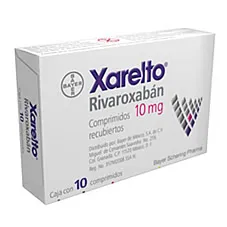
 Side effects are a potential with all drugs. Whenever a drug alters a parameter of the human body, the drug runs the risk of inadvertently altering the delicate chemical balance of the various systems that run the human body. Xarelto is a drug coming under intense scrutiny for its possible risk, though the U.S. Food and Drug Administration (FDA) does have guidelines and tips for patients taking this drug to be vigilant about Xarelto side effects.
Xarelto is a type of drug called a blood thinner, or anticoagulant. Anticoagulants are designed to interfere with blood clotting. Under normal conditions, blood clotting is an important part of the healing process. But when a blood clot forms within the body, it can get stuck in critical blood vessels and cause stroke or heart attacks. Blood thinners are designed to reduce the chance of stroke and other clot-related problems in high-risk patients.
One of the chief groups of patients taking Xarelto is those who have atrial fibrillation, or a-fib. A-fib is a type of abnormal heart rhythm, where changes to the heart beat can increase the risk of developing dangerous blood clots in the heart. Xarelto and related drugs are designed to decrease this risk.
But the drug does carry the risk of causing Xarelto bleeding problems, medical emergencies in which a patient loses the ability to stop bleeding from relatively minor internal or external injuries.
The FDA’s fact sheet on Xarelto contains guidelines for patients on Xarelto to reduce the risk of Xarelto bleeding problems.
First, the FDA warns patients to never stop taking Xarelto without consulting their doctor. If a patient suddenly stops taking Xarelto, they can experience a sharp increase in their risk of stroke. Most patients who decide to change to another drug do so under tight supervision from their physicians with medical precautions in place.
The FDA’s guidelines also recommend that patients be very careful about any other drugs they take. Even over-the-counter drugs can be a concern. For example aspirin and related drugs have a mild anticoagulant effect. When combined with Xarelto, this can radically increase a person’s risk of developing Xarelto bleeding problems. Additionally, taking a second anticoagulant like Warfarin can amplify the risk of developing Xarelto bleeding problems.
The most important of the FDA’s guidelines is increased vigilance for patients taking Xarelto. The FDA’s guidelines advise patients to watch for signs that their ability to clot is damaged. This includes frequent nose bleeds, bleeding gums, inability to stop bleeding form minor injuries, vomiting blood or “coffee grounds” vomit. The FDA fact sheet contains a more comprehensive list of possible signs of Xarelto bleeding problems.
In general, Xarelto bleeding lawsuits are filed individually by each plaintiff and are not class actions.
Do YOU have a legal claim? Fill out the form on this page now for a free, immediate, and confidential case evaluation. The attorneys who work with Top Class Actions will contact you if you qualify to let you know if an individual lawsuit or class action lawsuit is best for you. Hurry — statutes of limitations may apply.
ATTORNEY ADVERTISING
Top Class Actions is a Proud Member of the American Bar Association
LEGAL INFORMATION IS NOT LEGAL ADVICE
Top Class Actions Legal Statement
©2008 – 2026 Top Class Actions® LLC
Various Trademarks held by their respective owners
This website is not intended for viewing or usage by European Union citizens.
Get Help – It’s Free
Join a Free Xarelto Class Action Lawsuit Investigation
If you or a loved one took Xarelto (rivaroxaban) and suffered injuries such as uncontrollable internal bleeding, gastrointestinal bleeding, hemorrhaging, deep vein thrombosis or pulmonary embolism, you may have a legal claim. See if you qualify by filling out the short form below.
An attorney will contact you if you qualify to discuss the details of your potential case at no charge to you.
Oops! We could not locate your form.












One thought on FDA Fact Sheet Advises on Xarelto Bleeding Problems