

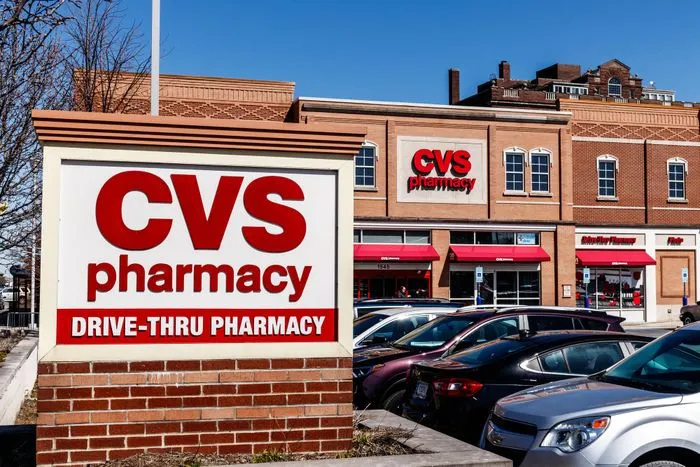
 A CVS class action has been filed alleging that the pharmacy’s Algal-900 DHA “memory” supplement is falsely and deceptively marketed.
Plaintiff Les Ferguson recently filed a class action against CVS Pharmacy Inc. claiming that the company deceptively advertised their Algal-900 DHA supplement as “clinically shown to improve memory” when the supplement does not have a significant effect on memory.
DHA is an omega-3 fatty acid which benefits the body similarly to other omega-3 supplements. Omega-3 fatty acids are generally not produced by the body, meaning that individuals need to get them from foods, beverages, and supplements.
Usually, foods such as fish, vegetables, and nuts are sufficient in providing the body with omega-3 fatty acids. In fact, the National Institutes of Health (NIH) allegedly notes that omega-3 deficiency requiring supplements is very rare.
CVS sells Algal-900 DHA as a dietary supplement at their pharmacy locations. Their labeling and advertising allegedly claims that the supplement has been shown in an “episodic memory test” to reduce memory errors by “50% or more.”
However, the CVS class action alleges that these claims are based on faulty scientific evidence and have been refuted by reputable studies.
“Comprehensive, high-quality, clinical studies of adults’ cognitive performance have shown that omega-3 fatty acids, including DHA, work no better than a placebo,” the CVS class action lawsuit states. “In a 2014 report published in a top peer-reviewed clinical nutrition journal, researchers conducted an extensive meta-analysis of 34 randomized, controlled trials of omega-3 fatty acids involving 12,999 subjects and concluded that omega-3 fatty acids ‘do not improve cognitive performance in children, adults or the elderly.'”
The CVS dietary supplement class action lawsuit also references a 2015 NIH study which reportedly found that omega-3 fatty acid supplements, such as Algal-900 DHA, “[do] not have a statistically significant effect on cognitive function.” In their study, NIH stated that “substantive conclusions about the value of [omega-3 fatty acids] cannot be drawn.”
Ferguson claims that CVS relied on only one piece of evidence for their claims that DHA improves memory. The study referenced was conducted by Martek Biosciences Corporation, a dietary supplement manufacturer.
The CVS class action argues that this study was limited and short term, prompting the Federal Trade Commission to conclude that the study does not support any claims that DHA improved memory.
Despite the Federal Trade Commission’s decision, CVS allegedly relied on this study to make their claims regarding DHA’s effect on memory.
“CVS’s Algal-900 DHA claims are false and misleading because they rely on a small, limited study that has been discredited,” the CVS memory supplement class action lawsuit states. “Rather, an overwhelming body of research finds no clinical effect of DHA on memory.”
Ferguson seeks to represent a Class of consumers in California who have purchased Algal-900 DHA since Feb. 1, 2010. The CVS class action seeks actual damages, restitution, disgorgement, court costs, and attorneys’ fees.
The plaintiff is represented by Jeffery R. Krinsk and Trenton R. Kashima of Finkelstein & Krinsk LLP.
The CVS Algal-900 DHA Memory Supplement Class Action Lawsuit is Ferguson v. CVS Pharmacy Inc., Case No. 3:18-cv-01529, in the U.S. District Court for the Southern District of California.
ATTORNEY ADVERTISING
Top Class Actions is a Proud Member of the American Bar Association
LEGAL INFORMATION IS NOT LEGAL ADVICE
Top Class Actions Legal Statement
©2008 – 2026 Top Class Actions® LLC
Various Trademarks held by their respective owners
This website is not intended for viewing or usage by European Union citizens.

Wellness patches lawsuit investigation: Did you purchase topical patches?
November 13, 2026 | Legal News












11 thoughts onCVS Class Action Says Memory Supplement is Falsely Advertised
Please add