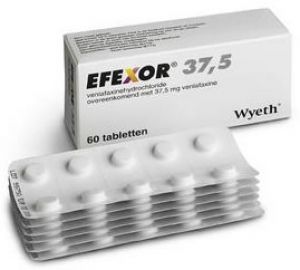
A mother has filed a birth defect lawsuit against Pfizer, the makers of Effexor. The birth defect lawsuit alleges that taking the drug during pregnancy led to her minor child developing birth defects.
According to the Effexor lawsuit, plaintiff Shelly Ann Force was prescribed Effexor and took it during her pregnancy. When her child was born in 2006, the child had a variety of severe birth defects, including several defects of the face and skull. Force’s Effexor lawsuit alleges that Pfizer’ drug Effexor caused her child’s severe birth defects.
In Force’s birth defect lawsuit, she alleges that the drug’s maker, Pfizer, did not fully inform the U.S. Food and Drug Administration (FDA) of all of the risks they observed while developing and testing the drug. According to her birth defect lawsuit, Force states that she would have never used the drug, and likely her physicians would have never prescribed it, had they been aware of the risk of birth defects allegedly linked to Effexor and other antidepressants.
Her antidepressant lawsuit holds that Pfizer knew — or reasonably should have been aware — of the serious risk of side effects related to the drug.
Effexor belongs to a family of drugs called Serotonin-Norepinephrine Reuptake Inhibitors, or SNRI. Along with the closely related SSRIs, these antidepressants have been the subject of massive group lawsuits, alleging that these drugs can cause serious birth defects.
The U.S. legal system has grouped many of these birth defect lawsuits together into a coordinated legal process called a multidistrict litigation, or MDL. In MDLs, the legal system combines evidence and testimony from very similar lawsuits to streamline the legal system when large numbers of similar birth defect lawsuits have been filed.
Lawsuits within the MDL allege that antidepressants like Effexor have been linked to several types of birth defects, including heart, skull, and lung birth defects. This includes cleft lip/cleft palate, heart birth defects, and PPHN. Other antidepressant birth defect lawsuits have been filed by mothers with children with the same type of skull defect seen in Force’s child.
Force’s antidepressant birth defect lawsuit seeks to recoup the cost of her child’s medical care, lost income potential, lost wages, and other fees and costs associated with her child’s birth defects. The Effexor lawsuit also seeks to recoup attorney fees and court costs, and any interest allowed by law.
The Effexor Birth Defect Lawsuit is Shelly Ann Force, et al., vs. Pfizer Inc., et al., Case No. 5578, within the larger Effexor MDL In Re: Effexor (Venlafaxine Hydrochloride) Products Liability Litigation, MDL No. 2458, in the U.S. District Court for the Eastern District of Pennsylvania.
In general, birth defect lawsuits are filed individually by each plaintiff and are not class actions.
Do YOU have a legal claim? Fill out the form on this page now for a free, immediate, and confidential case evaluation. The attorneys who work with Top Class Actions will contact you if you qualify to let you know if an individual lawsuit or class action lawsuit is best for you. Hurry — statutes of limitations may apply.
ATTORNEY ADVERTISING
Top Class Actions is a Proud Member of the American Bar Association
LEGAL INFORMATION IS NOT LEGAL ADVICE
Top Class Actions Legal Statement
©2008 – 2026 Top Class Actions® LLC
Various Trademarks held by their respective owners
This website is not intended for viewing or usage by European Union citizens.
Get Help – It’s Free
Join a Free Birth Defect Lawsuit Investigation
If you or a loved one took Zoloft, Prozac, Lexapro, Effexor, Celexa, Cymbalta or Depakote during pregnancy and gave birth to a child with a congenital defect, you may have a legal claim against the drug’s manufacturer. Find out if you qualify to pursue compensation for your child’s medical expenses, pain and suffering, and other damages by filling out the form below now.
An attorney will contact you if you qualify to discuss the details of your potential case.
Oops! We could not locate your form.