

 An asbestos lawsuit has been filed by an employee of Sonoma State University in Rohnert Park, Calif. over concerns of asbestos exposure and related asbestos cancer concerns.
Plaintiff Thomas S., an environmental health and safety specialist, claimed in his asbestos lawsuit that he reported concerns of asbestos exposure to his supervisors but his concerns were ignored.
He claims he was then retaliated against when he reported the issues to the authorities and was forced to resign from his position.
Thomas stated that he believed asbestos dust was likely found in the heating, ventilation and air conditioning (HVAC) systems that were present through six buildings on the university campus.
According to Thomas, the administration had acknowledged the presence of asbestos in various buildings; however, the administration denied that the asbestos poses a health hazard to students and employees based on previous testing and measurements taken every month since the beginning of the year.
The student newspaper for the university, Sonoma State Star, wrote about the concern over asbestos exposure in March and claimed that professors did not use their assigned offices but set up alternate meeting areas to meet with students.
A student at the university contributed an opinion piece to the paper stating that Stevenson Hall, the main target of asbestos exposure complaints, is “not a safe place on campus.”
In his lawsuit, Thomas claimed that he was alarmed by the level of asbestos he detected on a window sill in 2013 in the faculty offices in Stevenson Hall. The university allegedly followed up with its own testing and came up with different results. Thomas raised questions about the university’s technique meeting professional standards and was allegedly reprimanded for doing so.
The attorneys in the lawsuit alleged that the university tampered with evidence. They alleged that the university defied a court order and extensively cleaned classrooms and offices prior to testing for asbestos. The attorneys also allege that Sonoma State President Ruben Armiñana may have deleted communications following Thomas’ whistleblowing in the asbestos exposure situation.
Thomas is seeking general and punitive damages in the amount of approximately $15 million from the Cal State University (CSU) system. Some damages in the lawsuit are being sought under a law that will allow employees to file a lawsuit against their employers for violating workplace safety. The university, however, maintains that lawsuits cannot be brought against a public entity like the CSU system.
Thomas’ lawsuit was originally filed in May 2014, and the jury trial is set to begin at the end of July.
Asbestos Cancer Concerns
Asbestos is a material that was commonly used in building construction until the 1970s when it was found to be unsafe. Asbestos was used for its superb insulation, fire retardant and sound reduction properties.
When left undisturbed. Asbestos is mostly inert. However, when it is disturbed, the fibers may be inhaled and can eventually cause asbestos cancer. Asbestos is commonly disturbed during construction projects, and asbestos in HVAC systems can be disturbed and disseminated over a large area.
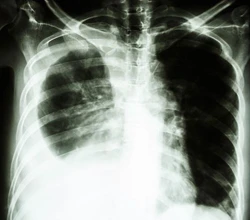
Asbestos exposure can lead to asbestos cancer. Specifically, asbestos lung cancer and asbestos mesothelioma are the two main types of cancers related to asbestos exposure. With asbestos lung cancer, the lungs themselves are effected. With asbestos mesothelioma, the mesothelial lining of the lungs and abdominal cavity are affected.
Both main types of asbestos cancer are very serious and difficult to treat. Other forms of asbestos cancer have been documented as well, with the cancerous cells developing in other parts of the body.
Filing an Asbestos Cancer Lawsuit
Individuals who have been diagnosed with asbestos cancer and their loved ones may be eligible to file a lawsuit against the employer and/or manufacturer or asbestos-containing components for failing to warn about the risks of asbestos cancer and for failing to protect the health and safety of the individual.
An asbestos cancer attorney can consult with you on your case free of charge and can explain your legal options so you can decide how to proceed with your situation.
Do YOU have a legal claim? Fill out the form on this page now for a free, immediate, and confidential case evaluation. The attorneys who work with Top Class Actions will contact you if you qualify to let you know if an individual asbestos lawsuit or asbestos class action lawsuit is best for you. [In general, asbestos lung cancer lawsuits are filed individually by each plaintiff and are not class actions.] Hurry — statutes of limitations may apply.
ATTORNEY ADVERTISING
Top Class Actions is a Proud Member of the American Bar Association
LEGAL INFORMATION IS NOT LEGAL ADVICE
Top Class Actions Legal Statement
©2008 – 2026 Top Class Actions® LLC
Various Trademarks held by their respective owners
This website is not intended for viewing or usage by European Union citizens.
Get Help – It’s Free
Join a Free Asbestos Lung Cancer Class Action Lawsuit Investigation
If you or a loved one were exposed to asbestos and developed mesothelioma, lung cancer, or cancer in the lining of the lungs, abdomen or chest cavity, you may be able to take legal action against the companies responsible. Don’t delay – in most states the statute of limitations is two years to file an asbestos lawsuit after you’re diagnosed. Obtain a free and confidential case evaluation be filling out the form below.
An attorney will contact you if you qualify to discuss the details of your potential case at no charge to you.











