Lawsuits Over Dilantin-Induced Stevens Johnson Syndrome Grow
By Amanda Antell
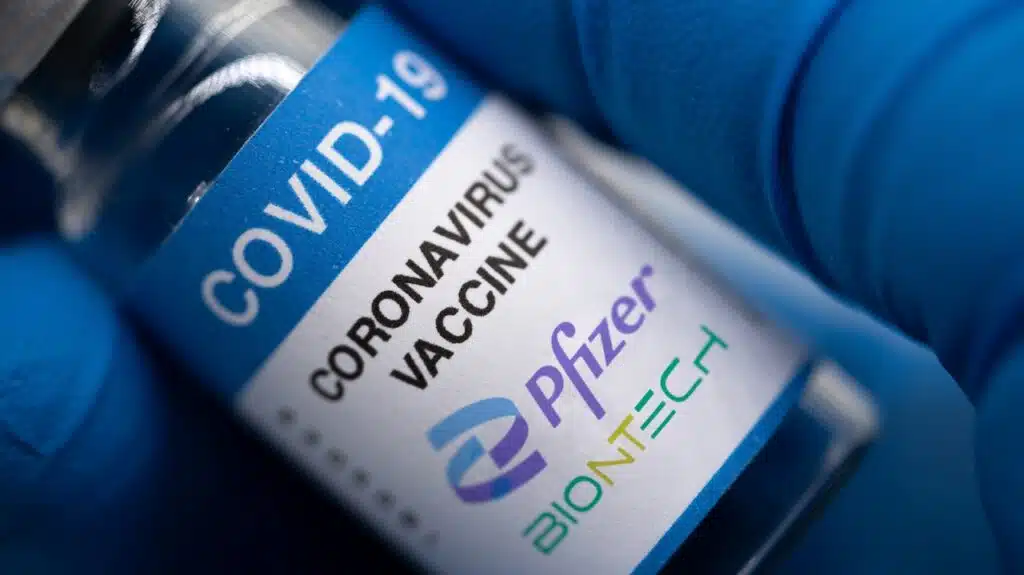
 In the wake of a recent study published in 2011 and numerous FDA injury reports, hundreds have filed lawsuits against Pfizer alleging that the company’s drug Dilantin caused them to contract Steven Johnson Syndrome. There have been 100 additional Dilantin SJS lawsuits filed since 2011, with the number expected to increase to 300. There are currently no plans to consolidate the Dilantin SJS lawsuits into an MDL.
Dilantin (Phenytoin Sodium) is an antiepileptic drug used to treat partial seizures and generalized tonic-clonic seizures. It is believed that Dilantin protects against seizures by using a chemical mechanism to block of electrical voltages in the brain from getting out of control. It is manufactured and marketed by Pfizer. While popular, Dilantin is a drug with many side effects, including Toxic Epidermal Necrolysis (TEN) and Stevens Johnson Syndrome (SJS).
Both TEN and SJS are potentially fatal skin condition, with SJS often as the starting point for TEN; over 90% of TEN cases are caused by drug exposure. Most commonly, the drugs which cause the reaction are certain antibiotics, anti-inflammatory drugs, and anticonvulsant medications, including Dilantin. The active ingredient in Dilantin is a chemical called phenytoin, which has recently been investigated for being associated with SJS and TEN.
Recent research discovered a possible link between Dilantin and the possible occurrence of TEN and SJS. In 2008, the FDA added Dilantin to its “Potential Signs of Serious Risks” list, because the agency had identified the potential risk of Dilantin-induced Stevens Johnson Syndrome through published studies and injury reports, prompting them to conduct their own investigation.
Coincidentally, in the same year, Pfizer updated Dilantin’s warning label to include Stevens Johnson Syndrome and Toxic Epidermal Necrolysis. However, the warning came far too late for many people.
Plaintiffs in Dilantin lawsuits are not only suing because of the lack of warning from the previous label, but also because Pfizer had knowingly or unknowingly exposed them to a potentially dangerous drug for over 50 years.
If you believe that you or a loved one has been the victim of a Dilantin SJS injury, you have legal options. Please visit the Dilantin Stevens Johnson Syndrome SJS Class Action Lawsuit Investigation. There, you can submit your claim for a free legal review and if it qualifies for legal action, a seasoned Dilantin lawyer will contact you for a free, no-obligation consultation. You will be guided through the litigation process at no out-of-pocket expenses or hidden fees. The SJS attorneys working this investigation do not get paid until you do.
Updated July 18th, 2013
All medical device, dangerous drug and medical class action and lawsuit news updates are listed in the Drug and Medical Device section of Top Class Actions.
Top Class Actions Legal Statement