Depakote Pregnancy Use Linked to Causing Cleft Lip & Palate
By Andrea Gressman
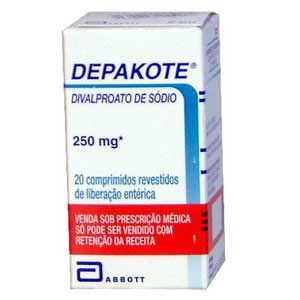 Using Depakote during pregnancy has been linked to a number of birth defects, but one of the most serious disorders it can cause is a cleft lip and/or cleft palate. These birth defects can be dangerous because they can cause breathing and eating problems and often require the child to undergo multiple surgeries to repair the disfigurement. As a result of this alleged link, there have been a number of Depakote birth defect lawsuits filed by families seeking compensation for the pain, suffering, and medical expenses that this drug caused.
Abbott Laborites is the manufacture of Depakote, which was approved by the U.S. Food and Drug Administration (FDA) in 1983. Depakote was originally approved to treat those with certain types of epilepsy. However, it is now used as a treatment option for those who suffer from bipolar disorder and who struggle with migraine headaches. It has been reported that millions of people have used Depakote since its release onto the U.S. market.
However, it has been discovered during its time on the market that Depakote has the pregnancy side effect risk of causing a number of very serious birth defects. Some of these birth defects can be life-threatening and others, like a cleft palate and cleft lip, can cause significant amounts of treatment and affect the child in some way for the entirety of his or her life.
The risk of developing a Depakote birth defect is significantly increased when the mother uses the drug in the first trimester. This is also especially difficult to prevent because many women do not know they are even pregnant until halfway through their first trimester or even later, which may mean they’re taking Depakote or another drug during this time.
The reason this is such a significant risk is because during the first trimester of pregnancy much of the baby’s tissue is formed and begins to grow. When the time comes for the palate to close and the facial structure to be established, if there is not enough tissue then a cleft lip and/or cleft palate may occur.
A cleft palate is when there is an opening or a split in the roof of a person’s mouth. This can include both the hard and soft palate. A cleft lip is when the area above the lip is not fully formed. This can also occur in varying degrees as well.
A cleft lip and cleft palate can often be diagnosed prior to the baby being born. However, this is not always the case, especially when the baby only has a cleft palate and not the cleft lip. However, if it is not diagnosed in utero it will be quickly detected after birth.
It is important to note that regardless of when the cleft lip or palate is detected there is nothing that can be done to reverse this birth defect. However, once the baby is born there are surgical procedures that can be done in order to correct the situation from there. Typically it takes more than one surgery. The first is frequently done within a few months of birth and the others are scheduled as needed from there.
Other issues besides eating difficulties and complications in breathing also include the tendency of frequent ear infections. This can require an additional surgery in order to put tubes in the child’s ears to reduce this side effect risk.
Another issue that many children have to face with a cleft palate and cleft lip are delays in speech. This often requires speech therapy in order to help them.
If you had a child born with a cleft lip and/or cleft palate that you believe was caused by Depakote, you need to know what your legal options are. Compensation may be available through a product liability lawsuit against the drug manufacturer. Visit the Depakote Class Action Lawsuit Investigation page right away to receive a free consultation from a qualified Depakote lawsuit attorney.
Updated March 19th, 2013
All medical device, dangerous drug and medical class action and lawsuit news updates are listed in the Drug and Medical Device section of Top Class Actions.
Top Class Actions Legal Statement